THE ADVENTURE COLLECTIVE® · Independent discovery and booking for outdoor travel

Explore Jeddah’s modern Corniche and the Floating Mosque, then step into Al-Balad’s narrow alleys to discover coral-stone houses and centuries of Red Sea trade heritage. This six-hour private tour balances seaside panoramas with a hands-on walking exploration of Old Jeddah.
Explore Jeddah’s modern Corniche and the Floating Mosque, then step into Al-Balad’s narrow alleys to discover coral-stone houses and centuries of Red Sea trade heritage. This six-hour private tour balances seaside panoramas with a hands-on walking exploration of Old Jeddah.
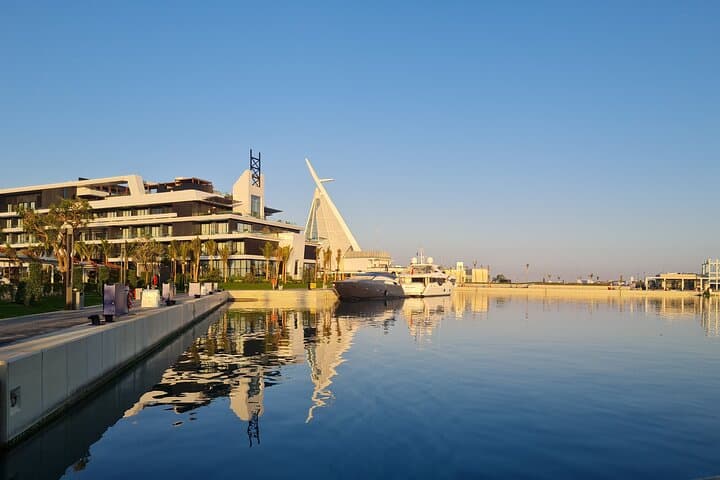
The Red Sea pushes a cool breeze across Jeddah’s Corniche, carrying the faint hiss of fountains and the salt-tang of the city’s maritime edge. You start with a drive beside the water—modern glass towers on one side, an open seafront daring you to look out—and the skyline punctuated by King Fahd’s Fountain spouting like a mechanical geyser into the sky.
Verified experiences and guided adventures in the surrounding area.
Operated by Muhammad · Jeddah, Makkah Province
The Red Sea pushes a cool breeze across Jeddah’s Corniche, carrying the faint hiss of fountains and the salt-tang of the city’s maritime edge. You start with a drive beside the water—modern glass towers on one side, an open seafront daring you to look out—and the skyline punctuated by King Fahd’s Fountain spouting like a mechanical geyser into the sky.
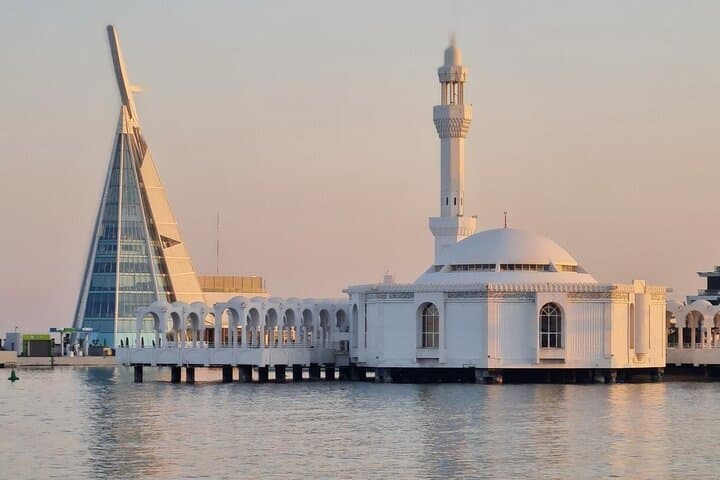
From there the Floating Mosque appears: a graceful concrete and marble silhouette that seems to hover at high tide, inviting quiet reflection. The tour then drops into Al-Balad, where coral-stone houses and wind tower facades close in. Narrow alleys channel voices, spices and coffee steam; wooden mashrabiyas throw animated shadows across aged doorways.
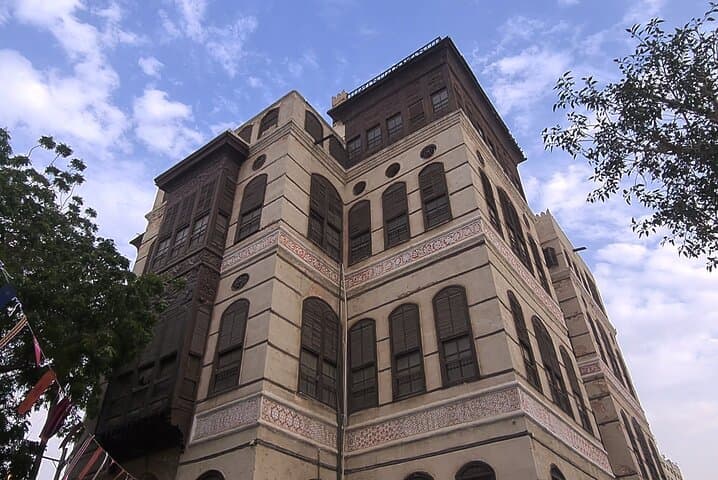
Jeddah’s history is visible in its architecture — Beit Nassif and the merchant houses that grew on Red Sea trade routes — and in its role as the gateway to Makkah, where pilgrims and merchants shaped a cosmopolitan port culture. Geologically the coast is defined by coral terraces and reclaimed land; culturally, the city blends Hijazi traditions with global influences.
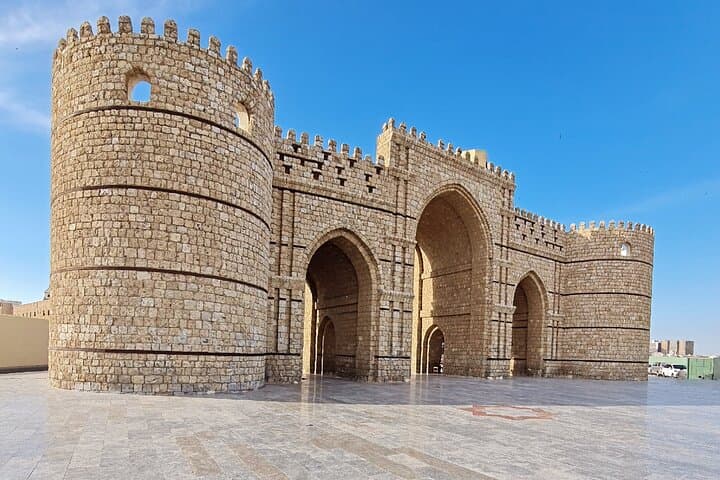
Practical notes: expect several hours on foot on uneven pavements and cobbles; comfortable shoes and sun protection are essential. The day tour is paced to include photo stops at the fountain and mosque, then a 90–180 minute walking exploration of Al-Balad’s lanes and souks. Hydrate frequently in summer, move deliberately on steps and thresholds inside historic homes, and allow time to absorb details like carved wooden balconies and hand-painted signage that mark Jeddah’s civic memory.
easy.
6 hours.
Suitable for most fitness levels; involves up to 2–3 hours of moderate walking on uneven surfaces.
The tour lasts approximately six hours and includes drives along the Corniche, a stop at the Floating Mosque and time for a walking tour of Al-Balad.
Al-Balad has narrow alleys and uneven ground; infants can use strollers on some streets, but carrying small children or using a baby carrier is often easier.
Entrance fees listed in the tour inclusions (such as historic house entrances) are included; confirm any optional paid activities with your guide.
Yes. Guides are accustomed to the city’s role as a pilgrimage gateway and can accommodate requests related to prayer times and modest dress.
Jeddah grew as a Red Sea port and gateway to Makkah; Al-Balad’s coral-stone merchant houses and Beit Nassif reflect centuries of trade and pilgrimage-driven exchange.
Conservation efforts focus on restoring coral-stone facades and managing coastal development; visitors can help by staying on paths and minimizing plastic use.
Muhammad operates guided outdoor trips and adventures with an emphasis on safety, stewardship, and memorable experiences.
The Red Sea pushes a cool breeze across Jeddah’s Corniche, carrying the faint hiss of fountains and the salt-tang of the city’s maritime edge. You start with a drive beside the water—modern glass towers on one side, an open seafront daring you to look out—and the skyline punctuated by King Fahd’s Fountain spouting like a mechanical geyser into the sky.
The Red Sea pushes a cool breeze across Jeddah’s Corniche, carrying the faint hiss of fountains and the salt-tang of the city’s maritime edge. You start with a drive beside the water—modern glass towers on one side, an open seafront daring you to look out—and the skyline punctuated by King Fahd’s Fountain spouting like a mechanical geyser into the sky.
From there the Floating Mosque appears: a graceful concrete and marble silhouette that seems to hover at high tide, inviting quiet reflection. The tour then drops into Al-Balad, where coral-stone houses and wind tower facades close in. Narrow alleys channel voices, spices and coffee steam; wooden mashrabiyas throw animated shadows across aged doorways.
Jeddah’s history is visible in its architecture — Beit Nassif and the merchant houses that grew on Red Sea trade routes — and in its role as the gateway to Makkah, where pilgrims and merchants shaped a cosmopolitan port culture. Geologically the coast is defined by coral terraces and reclaimed land; culturally, the city blends Hijazi traditions with global influences.
Practical notes: expect several hours on foot on uneven pavements and cobbles; comfortable shoes and sun protection are essential. The day tour is paced to include photo stops at the fountain and mosque, then a 90–180 minute walking exploration of Al-Balad’s lanes and souks. Hydrate frequently in summer, move deliberately on steps and thresholds inside historic homes, and allow time to absorb details like carved wooden balconies and hand-painted signage that mark Jeddah’s civic memory.