THE ADVENTURE COLLECTIVE® · Independent discovery and booking for outdoor travel

Learn sushi rice, knife technique, and rolling in a small-group seafood workshop in San Jose. This two-hour class covers a three-course menu — spicy edamame, two signature rolls and chef’s nigiri — with hands-on guidance.
Learn sushi rice, knife technique, and rolling in a small-group seafood workshop in San Jose. This two-hour class covers a three-course menu — spicy edamame, two signature rolls and chef’s nigiri — with hands-on guidance.
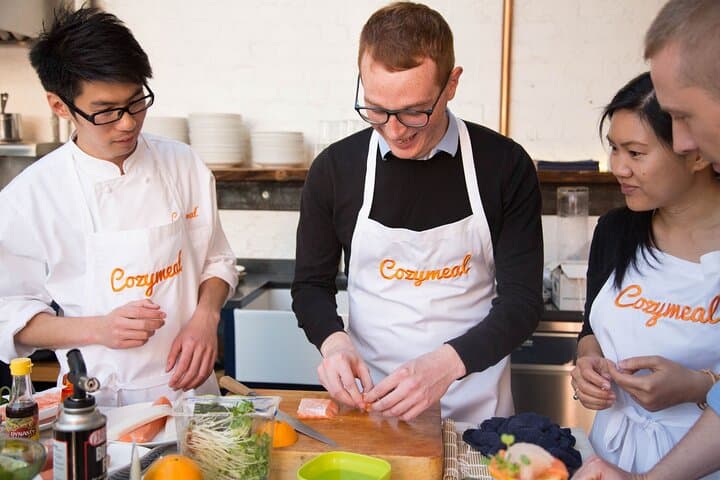
Participants step into a bright teaching kitchen in San Jose where the air carries the clean salt of ocean-fresh fish and toasted sesame. Stations are arranged for intimate instruction; bamboo mats, warm rice, and market-grade seafood occupy the counter like tools of an exacting craft. The chef greets the small group and the session begins — slicing, shaping, rolling, tasting.
Verified experiences and guided adventures in the surrounding area.
Operated by Cozymeal Cooking Classes · San Jose, California
Participants step into a bright teaching kitchen in San Jose where the air carries the clean salt of ocean-fresh fish and toasted sesame. Stations are arranged for intimate instruction; bamboo mats, warm rice, and market-grade seafood occupy the counter like tools of an exacting craft. The chef greets the small group and the session begins — slicing, shaping, rolling, tasting.
Sushi in California is both imported and reinvented. The Bay Area’s connection to Japanese culinary tradition runs deep: early 20th-century immigrants established Japantown communities and fish markets that still influence local menus. The California roll itself is a local innovation that reflects the region’s openness to fusion. Seafood for the class often follows Pacific supply chains — think Monterey and San Francisco markets — where seasonal catches and sustainability labels matter.
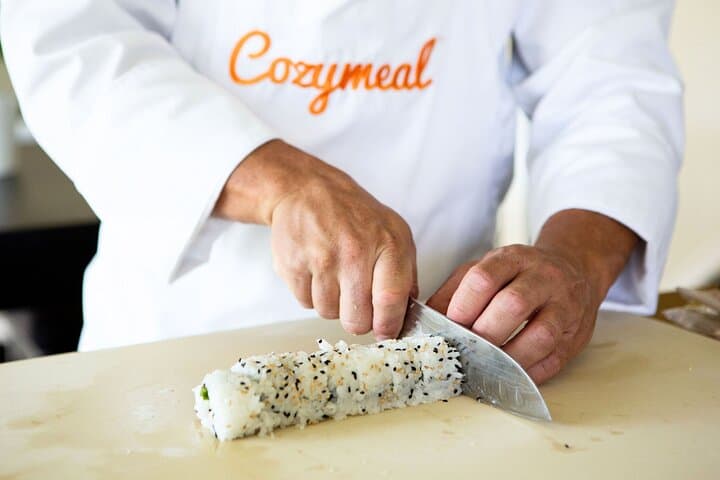
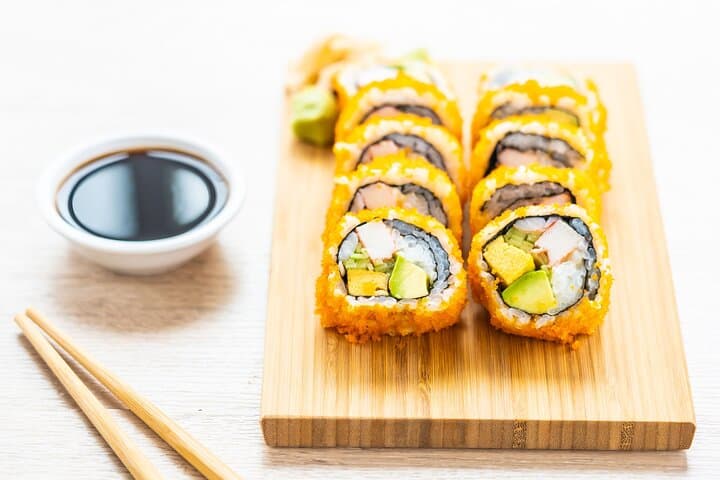
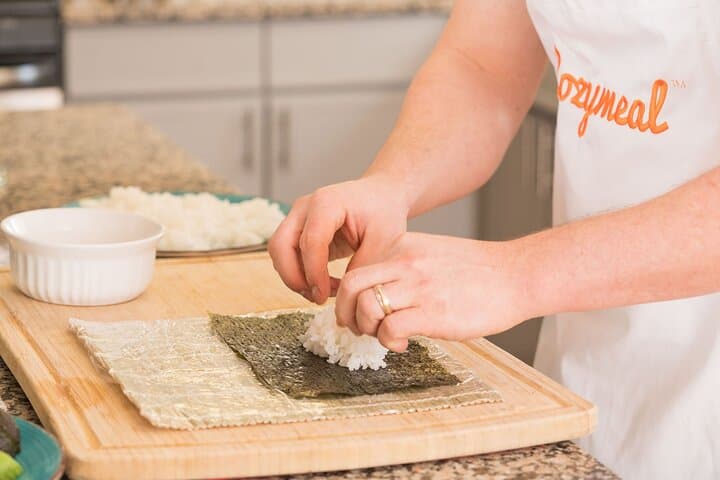
This workshop focuses on technique: properly seasoned sushi rice, basic knife skills for clean nigiri slices, and two classic rolls — California with real crab and a spicy tuna roll — plus a rotating nigiri selection. Instruction balances demonstration with hands-on practice, and guests plate their three-course meal to finish.
Practical notes: expect two hours of active instruction with standing and light prep work; comfortable, closed-toe shoes and an apron help. The venue is wheelchair accessible and accommodates dietary restrictions with advance notice. Guests may bring a bottle to pair with the meal; raw fish handling follows standard food-safety protocols. For first-timers, the class is an efficient way to learn foundational skills that translate to home kitchens and future outings to Bay Area fish markets.
moderate.
2 hours.
Light physical activity: standing and moderate hand dexterity; suitable for most fitness levels.
Yes — guests typically plate and sample in class and may take extra portions home; bring a small cooler or container if you plan to transport raw fish.
Yes — the workshop is designed for small groups with step-by-step instruction on rice, rolling, and basic knife technique.
Hosts accommodate common dietary needs with advance notice; indicate restrictions at booking so substitutions can be prepared.
Most venues allow guests to bring a bottle to pair with the meal — check confirmation details and gratuity policy beforehand.
San Jose’s culinary scene reflects waves of Japanese immigration and Bay Area fish-market culture; the California roll itself is a local adaptation born from regional ingredient swaps.
Chefs and markets in the Bay Area increasingly follow sustainable seafood guides; ask about sourcing and prefer choices certified for lower ecological impact.
Cozymeal Cooking Classes operates guided outdoor trips and adventures with an emphasis on safety, stewardship, and memorable experiences.
Participants step into a bright teaching kitchen in San Jose where the air carries the clean salt of ocean-fresh fish and toasted sesame. Stations are arranged for intimate instruction; bamboo mats, warm rice, and market-grade seafood occupy the counter like tools of an exacting craft. The chef greets the small group and the session begins — slicing, shaping, rolling, tasting.
Participants step into a bright teaching kitchen in San Jose where the air carries the clean salt of ocean-fresh fish and toasted sesame. Stations are arranged for intimate instruction; bamboo mats, warm rice, and market-grade seafood occupy the counter like tools of an exacting craft. The chef greets the small group and the session begins — slicing, shaping, rolling, tasting.
Sushi in California is both imported and reinvented. The Bay Area’s connection to Japanese culinary tradition runs deep: early 20th-century immigrants established Japantown communities and fish markets that still influence local menus. The California roll itself is a local innovation that reflects the region’s openness to fusion. Seafood for the class often follows Pacific supply chains — think Monterey and San Francisco markets — where seasonal catches and sustainability labels matter.
This workshop focuses on technique: properly seasoned sushi rice, basic knife skills for clean nigiri slices, and two classic rolls — California with real crab and a spicy tuna roll — plus a rotating nigiri selection. Instruction balances demonstration with hands-on practice, and guests plate their three-course meal to finish.
Practical notes: expect two hours of active instruction with standing and light prep work; comfortable, closed-toe shoes and an apron help. The venue is wheelchair accessible and accommodates dietary restrictions with advance notice. Guests may bring a bottle to pair with the meal; raw fish handling follows standard food-safety protocols. For first-timers, the class is an efficient way to learn foundational skills that translate to home kitchens and future outings to Bay Area fish markets.