THE ADVENTURE COLLECTIVE® · Independent discovery and booking for outdoor travel

Pilot a Seadoo from Granville Island across English Bay, past seal colonies and Bald Eagle perches, then land in Gibson’s Landing and step into old‑growth rainforest—one high‑octane day that compresses Vancouver’s coastal wilderness into seven hours.
Pilot a Seadoo from Granville Island across English Bay, past seal colonies and Bald Eagle perches, then land in Gibson’s Landing and step into old‑growth rainforest—one high‑octane day that compresses Vancouver’s coastal wilderness into seven hours.
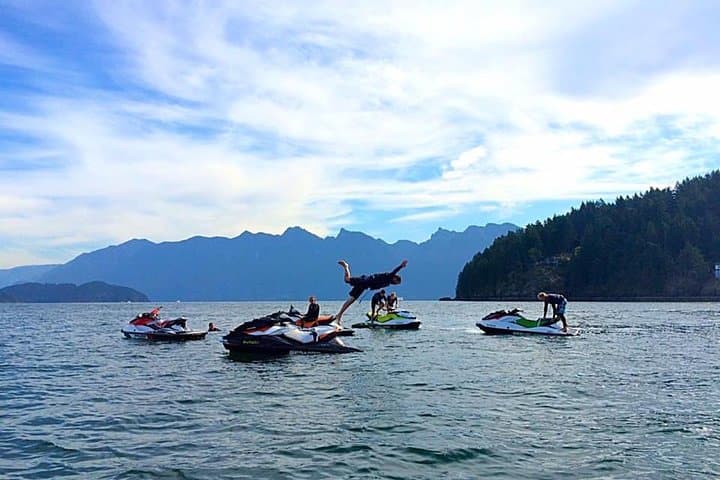
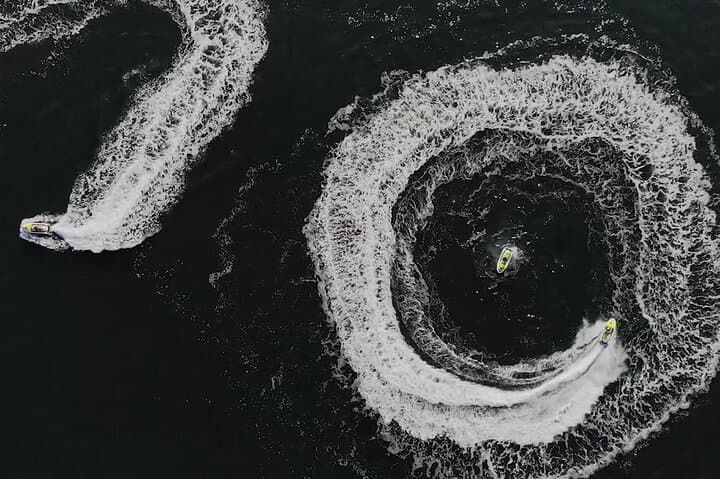
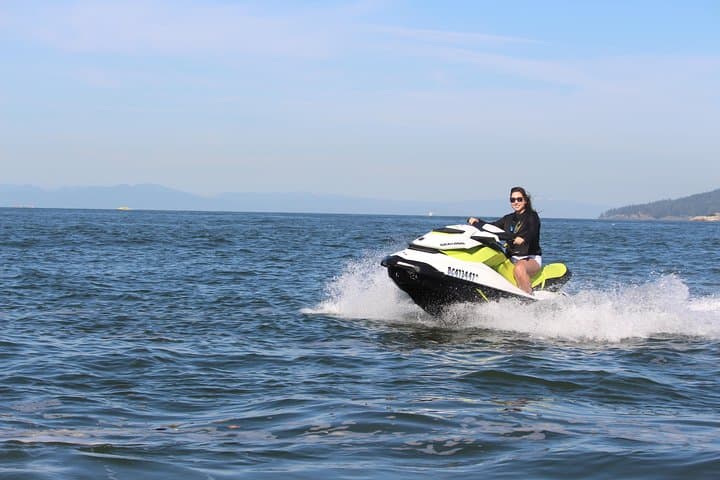
The engine note changes from city hum to ocean voice the moment you slip past False Creek. Vancouver's glass towers blur into a low chain of fir‑crowned islands; the wake behind your Seadoo seems to carve a bright line between metropolitan edge and salt-scented wilderness.
Verified experiences and guided adventures in the surrounding area.
Operated by Vancouver Water Adventures · Vancouver, British Columbia
The engine note changes from city hum to ocean voice the moment you slip past False Creek. Vancouver's glass towers blur into a low chain of fir‑crowned islands; the wake behind your Seadoo seems to carve a bright line between metropolitan edge and salt-scented wilderness.
On this seven‑hour run you move fast enough to ride the tide and slow enough to notice: freighters loitering in English Bay, the arched sweep of Lions Gate Bridge, and the first gray heads of seal colonies blinking on rocky skerries. Guides brief the group on safety and handling at Granville Island—then hand you the throttle. For many, piloting a Seadoo across Burrard Inlet is the portal to British Columbia’s coastal geometry: channels gouged by ice age glaciers, islands that rise like outcrops of an older land, and dense temperate rainforest that presses to the shore beyond Gambier Island.
The route stitches together natural history and local culture. You’ll skirt Bald Eagle perches and slide past haul‑outs where seals dare the water; then cross to Gambier’s lee side to enter a pocket of old‑growth temperate forest, trees that grew while local Squamish and Tsleil‑Waututh families fished the inlets. The afternoon halts at Gibson’s Landing, a compact Sunshine Coast town famous to Canadians as the filming location of the long‑running show Beachcombers. Here the tour drops anchor for a lunch at a local spot—fish and chips, or a bowl of chowder with the sound of harbor pilings as backdrop.
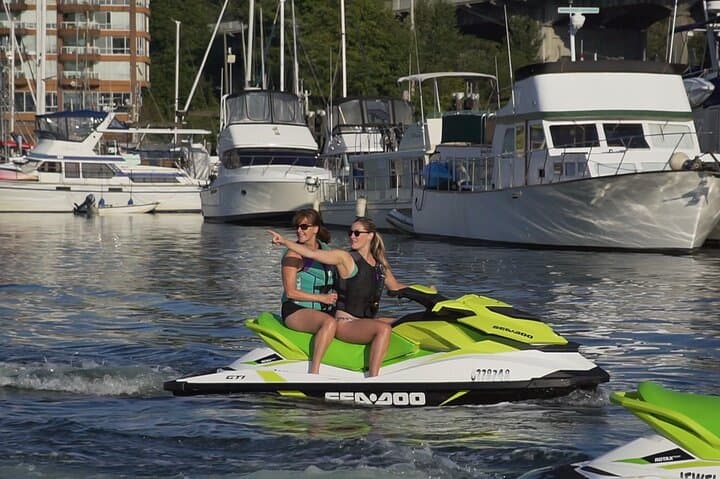
Practical edges are part of the promise. The operator provides Seadoo, wetsuit, fuel and safety equipment; a temporary boaters license is included. The trip is classified easy in fitness but can be physically bouncy in wind chop—so plan accordingly. Weather can close the itinerary; the company cancels in bad conditions and asks guests to arrive 20 minutes early to sort paperwork and safety checks.
Why go? Because this day compresses the gulf between city and wilderness into a single loop: city skyline, industrial harbor, eagle territory, seal colonies, rainforest silence, and a seaside town with television history. It’s as much about the moments between stops—the spray on your face, the gulls daring you to chase them—as it is about the destinations.
Timing and preparation matter. Dress in layers, add a waterproof shell and non‑slip footwear, and bring seasickness medication if you’re unsure. Keep a phone in a dry bag and a small tip for local guides; they know where the eagles gather. For photographers, the light shifts fast here—watch for backlit cityscapes and sunlit coves in the afternoon.
This isn’t a sightseeing ferry; it’s a hands‑on marine day that asks you to engage: drive, look up, listen, and step ashore. The reward is a rare, kinetic view of Vancouver’s outer waters that most visitors never see.
easy.
7 hours.
Suitable for most people who can handle periods of standing and brief bursts of activity; expect wind and chop that require core stability.
No—guides provide a short hands‑on briefing and basic practice; the route is planned for novice operators under guide supervision.
Meet at the Granville Island departure point; arrive at least 20 minutes before departure to complete check‑in and safety briefings.
Yes—lunch at Gibson’s Landing is included as part of the tour price.
The operator cancels or reschedules tours in unsafe conditions; full refunds are available if cancelled at least 24 hours prior.
The tour is not recommended for pregnant guests or those with serious back or heart conditions; children may need to meet minimum age requirements—check with the operator.
Yes—bring a compact camera in a dry bag; larger DSLRs are riskier on small watercraft but can be used if secured.
The coastline is within the traditional territories of Coast Salish peoples; Gibson’s Landing later grew as a fishing and logging port and became famous as the filming location for the TV show Beachcombers.
Operators follow best practices to avoid disturbing haul‑outs and feeding sites; support them by keeping distance from wildlife and disposing of waste responsibly.
Vancouver Water Adventures operates guided outdoor trips and adventures with an emphasis on safety, stewardship, and memorable experiences.
The engine note changes from city hum to ocean voice the moment you slip past False Creek. Vancouver's glass towers blur into a low chain of fir‑crowned islands; the wake behind your Seadoo seems to carve a bright line between metropolitan edge and salt-scented wilderness.
The engine note changes from city hum to ocean voice the moment you slip past False Creek. Vancouver's glass towers blur into a low chain of fir‑crowned islands; the wake behind your Seadoo seems to carve a bright line between metropolitan edge and salt-scented wilderness.
On this seven‑hour run you move fast enough to ride the tide and slow enough to notice: freighters loitering in English Bay, the arched sweep of Lions Gate Bridge, and the first gray heads of seal colonies blinking on rocky skerries. Guides brief the group on safety and handling at Granville Island—then hand you the throttle. For many, piloting a Seadoo across Burrard Inlet is the portal to British Columbia’s coastal geometry: channels gouged by ice age glaciers, islands that rise like outcrops of an older land, and dense temperate rainforest that presses to the shore beyond Gambier Island.
The route stitches together natural history and local culture. You’ll skirt Bald Eagle perches and slide past haul‑outs where seals dare the water; then cross to Gambier’s lee side to enter a pocket of old‑growth temperate forest, trees that grew while local Squamish and Tsleil‑Waututh families fished the inlets. The afternoon halts at Gibson’s Landing, a compact Sunshine Coast town famous to Canadians as the filming location of the long‑running show Beachcombers. Here the tour drops anchor for a lunch at a local spot—fish and chips, or a bowl of chowder with the sound of harbor pilings as backdrop.
Practical edges are part of the promise. The operator provides Seadoo, wetsuit, fuel and safety equipment; a temporary boaters license is included. The trip is classified easy in fitness but can be physically bouncy in wind chop—so plan accordingly. Weather can close the itinerary; the company cancels in bad conditions and asks guests to arrive 20 minutes early to sort paperwork and safety checks.
Why go? Because this day compresses the gulf between city and wilderness into a single loop: city skyline, industrial harbor, eagle territory, seal colonies, rainforest silence, and a seaside town with television history. It’s as much about the moments between stops—the spray on your face, the gulls daring you to chase them—as it is about the destinations.
Timing and preparation matter. Dress in layers, add a waterproof shell and non‑slip footwear, and bring seasickness medication if you’re unsure. Keep a phone in a dry bag and a small tip for local guides; they know where the eagles gather. For photographers, the light shifts fast here—watch for backlit cityscapes and sunlit coves in the afternoon.
This isn’t a sightseeing ferry; it’s a hands‑on marine day that asks you to engage: drive, look up, listen, and step ashore. The reward is a rare, kinetic view of Vancouver’s outer waters that most visitors never see.