THE ADVENTURE COLLECTIVE® · Independent discovery and booking for outdoor travel

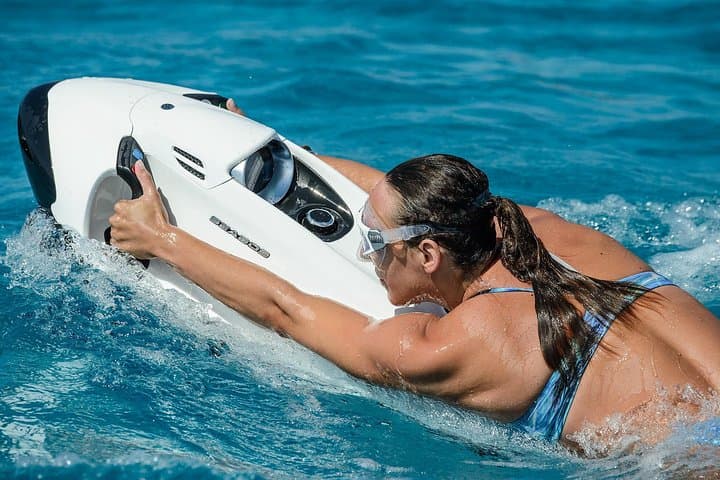
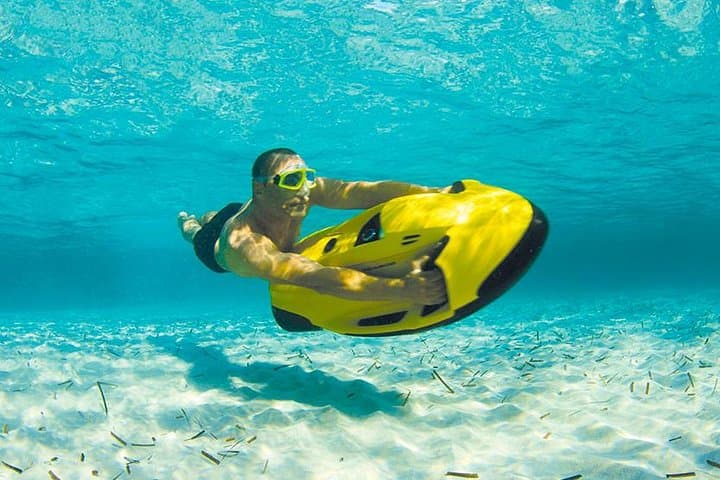
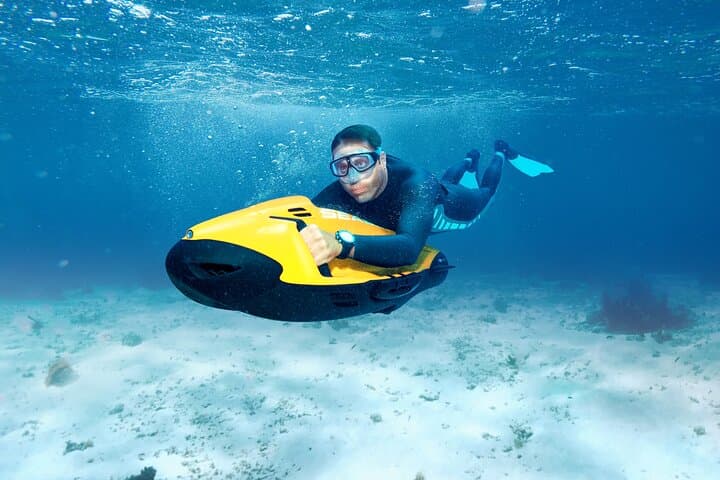
Experience the Adriatic from a SeaBob—high-speed surface runs and close-up snorkeling in Split’s sheltered coves. Fast to learn, gentle on the environment, and great for exploring shallow reefs and seaside caves.
Experience the Adriatic from a SeaBob—high-speed surface runs and close-up snorkeling in Split’s sheltered coves. Fast to learn, gentle on the environment, and great for exploring shallow reefs and seaside caves.
The sun slants low over the Adriatic as you clip into a SeaBob at a quiet harbor near Split; the water smells of salt and warm stone, and the craft hums like a contented machine ready to propel you across mirror-flat bays or slip beneath the surface.
Verified experiences and guided adventures in the surrounding area.
Operated by Open Water Croatia · Split, Split-Dalmatia County
The sun slants low over the Adriatic as you clip into a SeaBob at a quiet harbor near Split; the water smells of salt and warm stone, and the craft hums like a contented machine ready to propel you across mirror-flat bays or slip beneath the surface.
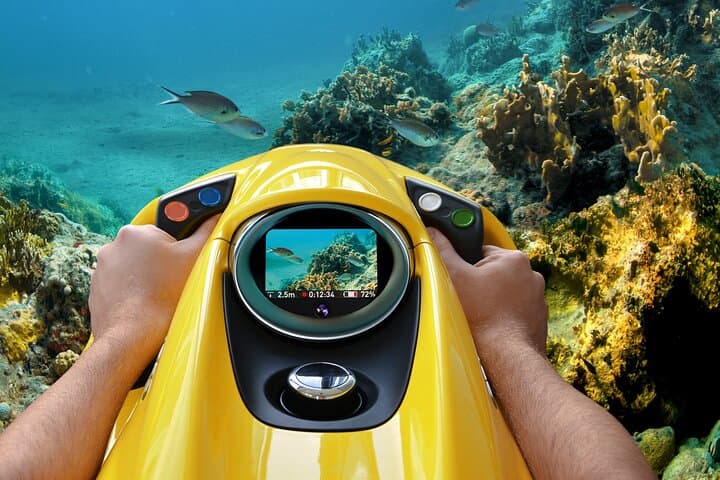
Along Croatia’s Dalmatian coast, limestone cliffs and karst islands create sheltered coves where Roman mariners once found refuge. Split’s waterfront—framed by Diocletian’s Palace and pine-scented headlands—sets the stage for short, intense bursts of speed (up to 20 km/h) and slow, deliberate snorkel runs down to about 2.5 meters.
Local culture here still orients around the sea: fishermen, cafes, and family-run boat operators share an easy respect for marine life. Geologically, the coastline is a patchwork of fossil-rich limestone and shallow reefs, punctuated by Posidonia meadows that host abundant fish.
Practical guidance: expect a briefing before launch and basic handling instruction; no prior experience is required but swimmers should be comfortable in open water. Sessions are typically booked by the hour; operators provide masks, snorkels, and flotation. Keep speeds moderate near swimmers and seagrass, and follow staff guidance on depth limits.
Bring reef-safe sunscreen, a snug rashguard, and secure a waterproof pouch for valuables. SeaBobs excel for quick exploration—dashing across open water, peeking into rocky grottoes, or hovering over fish-rich shallows—but respect local protections and other water users. With a SeaBob under you, the sea feels less like a barrier and more like an eager companion waiting for you to steer the conversation.
easy.
1–3 hours.
Suitable for most fitness levels; basic swimming ability recommended and comfort in open water advised.
No—operators provide a hands-on briefing; basic comfort in the water is helpful but no technical skills are required.
SeaBobs used in tourist rentals typically operate to about 2.5 meters depth and can reach speeds up to roughly 20 km/h on the surface.
Yes—minimum age is 18 for the operator in this listing, and valid ID is generally required at pickup.
Avoid entering Posidonia seagrass beds, do not touch or chase wildlife, and use reef-safe sunscreen to minimize chemical impacts.
Split grew from the Roman imperial palace of Diocletian; centuries of seafaring shaped a coastal culture that still centers on fishing and small-boat travel.
Posidonia seagrass meadows are protected and fragile—operators encourage electric, low-emission craft and ask guests to avoid anchoring on seagrass.
Open Water Croatia operates guided outdoor trips and adventures with an emphasis on safety, stewardship, and memorable experiences.
The sun slants low over the Adriatic as you clip into a SeaBob at a quiet harbor near Split; the water smells of salt and warm stone, and the craft hums like a contented machine ready to propel you across mirror-flat bays or slip beneath the surface.
The sun slants low over the Adriatic as you clip into a SeaBob at a quiet harbor near Split; the water smells of salt and warm stone, and the craft hums like a contented machine ready to propel you across mirror-flat bays or slip beneath the surface.
Along Croatia’s Dalmatian coast, limestone cliffs and karst islands create sheltered coves where Roman mariners once found refuge. Split’s waterfront—framed by Diocletian’s Palace and pine-scented headlands—sets the stage for short, intense bursts of speed (up to 20 km/h) and slow, deliberate snorkel runs down to about 2.5 meters.
Local culture here still orients around the sea: fishermen, cafes, and family-run boat operators share an easy respect for marine life. Geologically, the coastline is a patchwork of fossil-rich limestone and shallow reefs, punctuated by Posidonia meadows that host abundant fish.
Practical guidance: expect a briefing before launch and basic handling instruction; no prior experience is required but swimmers should be comfortable in open water. Sessions are typically booked by the hour; operators provide masks, snorkels, and flotation. Keep speeds moderate near swimmers and seagrass, and follow staff guidance on depth limits.
Bring reef-safe sunscreen, a snug rashguard, and secure a waterproof pouch for valuables. SeaBobs excel for quick exploration—dashing across open water, peeking into rocky grottoes, or hovering over fish-rich shallows—but respect local protections and other water users. With a SeaBob under you, the sea feels less like a barrier and more like an eager companion waiting for you to steer the conversation.