THE ADVENTURE COLLECTIVE® · Independent discovery and booking for outdoor travel

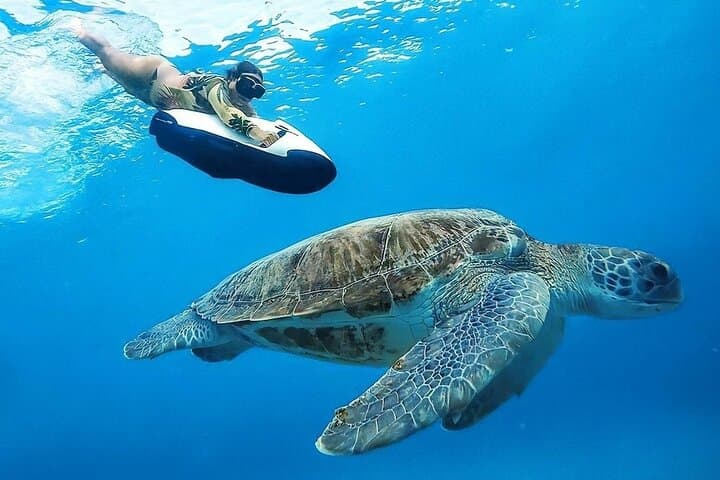
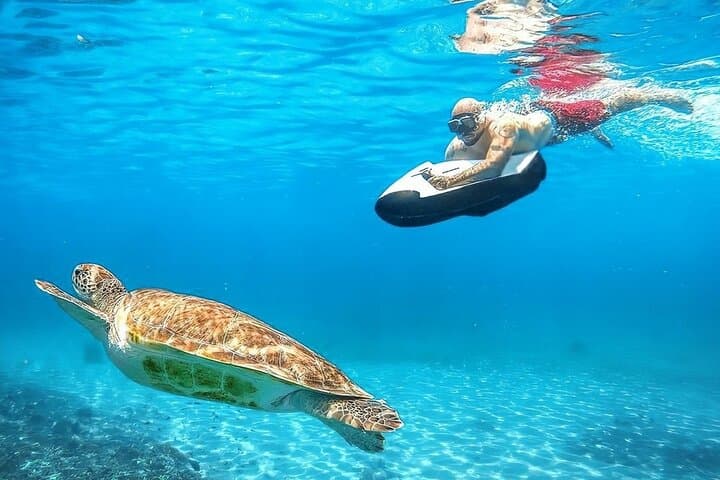
Glide like a dolphin across Anse Caraïbe’s turquoise shallows with a Seabob. This 25–90 minute rental lets you explore shallow reefs and often encounter turtles with minimal training required.
Glide like a dolphin across Anse Caraïbe’s turquoise shallows with a Seabob. This 25–90 minute rental lets you explore shallow reefs and often encounter turtles with minimal training required.
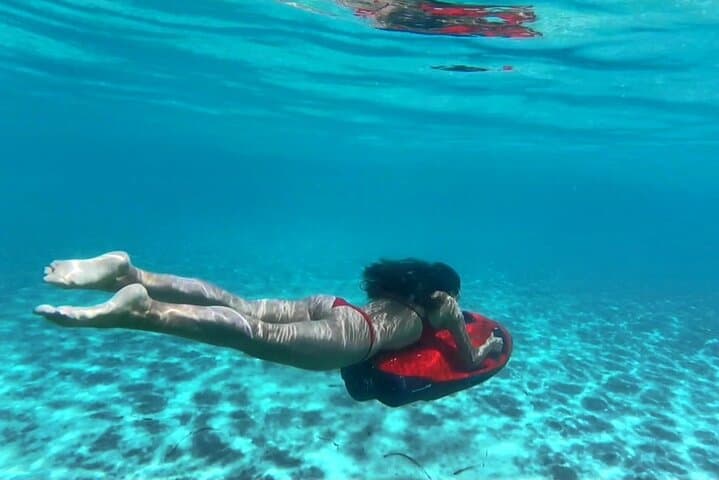
You step off the sand at Anse Caraïbe and the Seabob hums against the blue that seems to go on forever. The device pulls you forward at your chosen pace — a quiet 10–15 km/h on the surface, an effortless glide down to about two meters — and the Caribbean seabed opens: patches of coral, darting parrotfish and, if you’re lucky, a green turtle grazing on seagrass.
Verified experiences and guided adventures in the surrounding area.
Operated by Caraibes Gliss · Pointe‑Noire, Basse‑Terre
You step off the sand at Anse Caraïbe and the Seabob hums against the blue that seems to go on forever. The device pulls you forward at your chosen pace — a quiet 10–15 km/h on the surface, an effortless glide down to about two meters — and the Caribbean seabed opens: patches of coral, darting parrotfish and, if you’re lucky, a green turtle grazing on seagrass.
Basse‑Terre’s coastline is volcanic rock rimmed by fringing reefs formed where past eruptions met the sea. Indigenous Arawak and later Creole fishing communities have long relied on these shallow gardens; today rented Seabobs let visitors move with minimal disturbance when used responsibly.
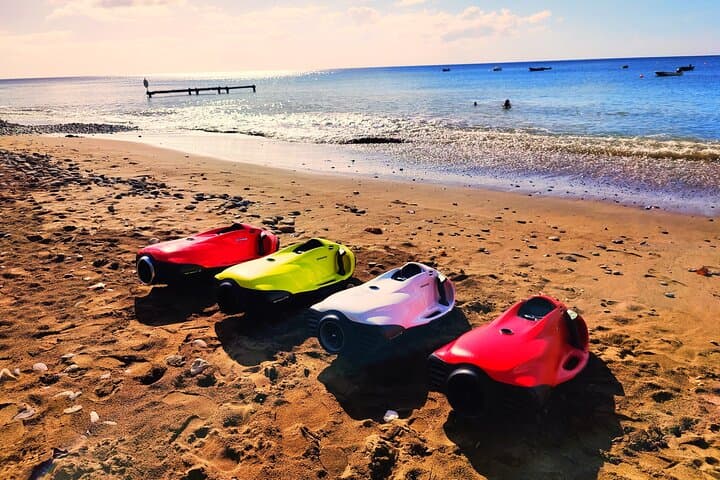
The experience is simple and sensory: a brief safety demo, a seated start in waist‑deep water, then open water exploration. Rentals run as short as 25 minutes, a 50‑minute option, or about 90 minutes for guided outings that pause to point out turtles and coral features. Operators require a signed rental agreement and a deposit; masks and snorkel gear are typically included.
Plan for calm mornings when visibility is best, avoid peak sun hours, and use reef‑safe sunscreen. Keep a hand on the throttle near marine life, don’t touch coral or turtles, and stay within shallow limits — the Seabob is designed for playful, low‑impact exploration rather than deep diving.
Practical tips: arrive with swimwear and a towel, secure valuables, and check weather and park rules. For many visitors, this is the quickest, most memorable way to feel like a dolphin while encountering the Caribbean’s reef life without advanced dive training.
easy.
1.5 hours.
Light physical fitness; comfort in open water and basic snorkeling ability recommended.
No—Seabobs operate at shallow depths (about 2 meters) and are user‑controlled; basic swimming and snorkel comfort are sufficient.
Yes, most operators include snorkeling equipment with the rental, but you may bring your own mask for a better fit.
Children can ride with supervision; the operator notes wheelchair and stroller accessibility for beach access, but check specific age and weight rules before booking.
You can often see turtles, but touching or chasing them and handling coral is prohibited to protect wildlife and the reef.
Basse‑Terre’s coastlines sit on volcanic bedrock; the area’s Creole fishing villages evolved around these reef systems after European colonization.
Stick to marked channels, use reef‑safe sunscreen, and avoid touching coral or marine animals to reduce impact on fragile reef habitats.
Caraibes Gliss operates guided outdoor trips and adventures with an emphasis on safety, stewardship, and memorable experiences.
You step off the sand at Anse Caraïbe and the Seabob hums against the blue that seems to go on forever. The device pulls you forward at your chosen pace — a quiet 10–15 km/h on the surface, an effortless glide down to about two meters — and the Caribbean seabed opens: patches of coral, darting parrotfish and, if you’re lucky, a green turtle grazing on seagrass.
You step off the sand at Anse Caraïbe and the Seabob hums against the blue that seems to go on forever. The device pulls you forward at your chosen pace — a quiet 10–15 km/h on the surface, an effortless glide down to about two meters — and the Caribbean seabed opens: patches of coral, darting parrotfish and, if you’re lucky, a green turtle grazing on seagrass.
Basse‑Terre’s coastline is volcanic rock rimmed by fringing reefs formed where past eruptions met the sea. Indigenous Arawak and later Creole fishing communities have long relied on these shallow gardens; today rented Seabobs let visitors move with minimal disturbance when used responsibly.
The experience is simple and sensory: a brief safety demo, a seated start in waist‑deep water, then open water exploration. Rentals run as short as 25 minutes, a 50‑minute option, or about 90 minutes for guided outings that pause to point out turtles and coral features. Operators require a signed rental agreement and a deposit; masks and snorkel gear are typically included.
Plan for calm mornings when visibility is best, avoid peak sun hours, and use reef‑safe sunscreen. Keep a hand on the throttle near marine life, don’t touch coral or turtles, and stay within shallow limits — the Seabob is designed for playful, low‑impact exploration rather than deep diving.
Practical tips: arrive with swimwear and a towel, secure valuables, and check weather and park rules. For many visitors, this is the quickest, most memorable way to feel like a dolphin while encountering the Caribbean’s reef life without advanced dive training.