THE ADVENTURE COLLECTIVE® · Independent discovery and booking for outdoor travel

Glide along the Sea of Japan on a panoramic Sea View Train, walk the famed Amanohashidate sandbar, and explore Ine’s wooden boathouses in a single coastal day trip from Osaka. Practical tips and local context help you make the most of an 11‑hour seaside escape.
Glide along the Sea of Japan on a panoramic Sea View Train, walk the famed Amanohashidate sandbar, and explore Ine’s wooden boathouses in a single coastal day trip from Osaka. Practical tips and local context help you make the most of an 11‑hour seaside escape.
You step onto a carriage that feels built for watching the ocean. Wide panoramic windows frame the Sea of Japan as the Sea View Train eases out of Nishi-Maizuru, the carriage gliding close enough that the spray and surf seem to wink at you. The train’s deliberate pace lets each cove and fishing boat register—an uncomplicated, cinematic commute along a rugged coast.
Verified experiences and guided adventures in the surrounding area.
Operated by Hotel Takitei · Miyazu, Kyoto Prefecture
You step onto a carriage that feels built for watching the ocean. Wide panoramic windows frame the Sea of Japan as the Sea View Train eases out of Nishi-Maizuru, the carriage gliding close enough that the spray and surf seem to wink at you. The train’s deliberate pace lets each cove and fishing boat register—an uncomplicated, cinematic commute along a rugged coast.
This route threads together Edo- and Meiji-era fishing villages, pine‑lined sandbars, and maritime landscapes shaped by tectonic uplift and coastal currents. Amanohashidate, one of Japan’s Three Scenic Views, is a 3.6‑km sandbar planted with pines; historically it’s been a place of pilgrimage and poetic praise, and the cable car to the observatory offers the classic “bridge to heaven” vantage. Down the coast in Ine, centuries-old boathouses (funaya) were adapted to a life on water—each structure storing boats on the first floor and living quarters above.
Expect quiet streets, salt-scented air, and the practical rhythms of a working coast: fishermen mending nets, gulls circling the harbor, small shops selling grilled fish and sweet soy snacks. Cultural touches—wooden architecture, local seafood—are tangible and accessible.
Practical guidance: the full day runs about 11 hours from Osaka; wear comfortable walking shoes for the sandbar and uneven village streets. Bring cash for small vendors, a lightweight wind layer for seaside breezes, and a window-side ticket request on the Sea View Train if possible. Timing your visit for morning or late afternoon light improves views and keeps crowds thin. With an easy pace and well‑served stops, this is a coastal day that rewards attention more than athleticism.
easy.
10–11 hours (full-day).
Suitable for travelers with average fitness; involves moderate walking on sand and village streets.
The scenic segment is approximately 45 minutes, designed to run slower than regular trains so passengers can fully enjoy the coastal views.
Yes—this is a low‑impact, full‑day tour with minimal walking per stop; infants should sit on laps and participants should plan for an 11‑hour day overall.
Yes—boat rides in Ine and the Amanohashidate cable car are commonly offered as options; bring cash as some operators may not take cards.
The tour typically runs in light rain, but check the operator’s policy for cancellations; heavy storms may force route or schedule changes for safety.
Amanohashidate’s sandbar has been celebrated in Japanese poetry and pilgrimage since the Heian period; Ine’s funaya reflect a maritime lifestyle adapted over centuries to shallow bays.
Coastal habitats here are sensitive to tourism pressure—stay on marked paths, take litter home, and support local businesses that maintain traditional fisheries.
Hotel Takitei operates guided outdoor trips and adventures with an emphasis on safety, stewardship, and memorable experiences.
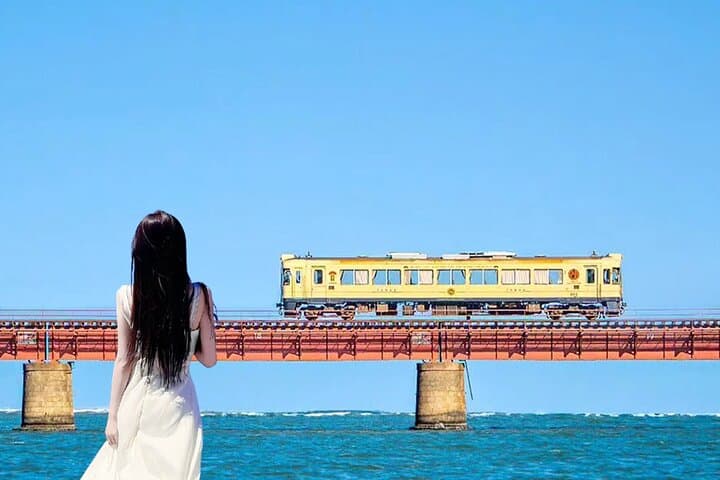
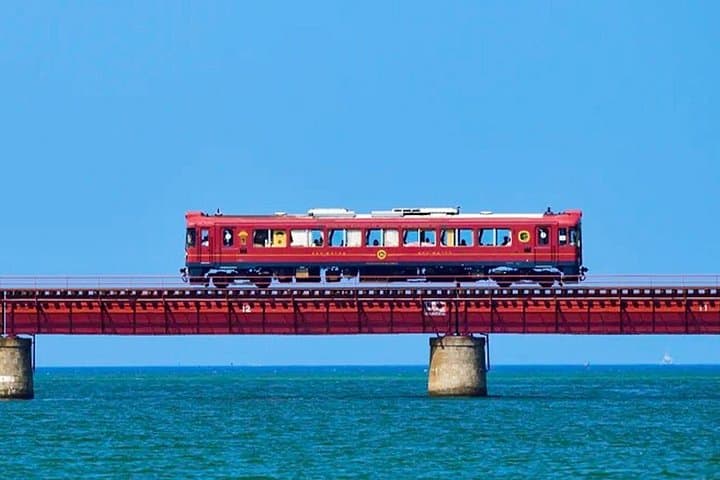
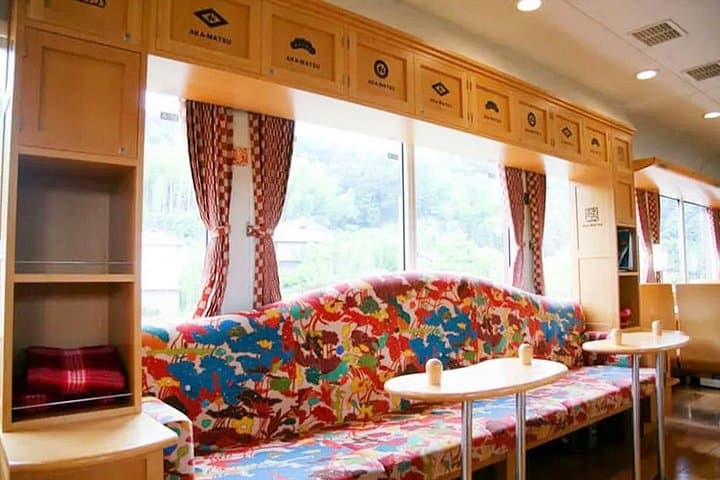
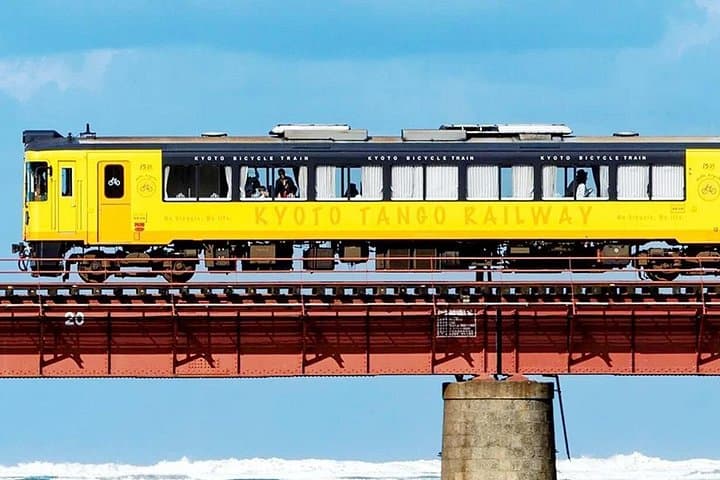
You step onto a carriage that feels built for watching the ocean. Wide panoramic windows frame the Sea of Japan as the Sea View Train eases out of Nishi-Maizuru, the carriage gliding close enough that the spray and surf seem to wink at you. The train’s deliberate pace lets each cove and fishing boat register—an uncomplicated, cinematic commute along a rugged coast.
You step onto a carriage that feels built for watching the ocean. Wide panoramic windows frame the Sea of Japan as the Sea View Train eases out of Nishi-Maizuru, the carriage gliding close enough that the spray and surf seem to wink at you. The train’s deliberate pace lets each cove and fishing boat register—an uncomplicated, cinematic commute along a rugged coast.
This route threads together Edo- and Meiji-era fishing villages, pine‑lined sandbars, and maritime landscapes shaped by tectonic uplift and coastal currents. Amanohashidate, one of Japan’s Three Scenic Views, is a 3.6‑km sandbar planted with pines; historically it’s been a place of pilgrimage and poetic praise, and the cable car to the observatory offers the classic “bridge to heaven” vantage. Down the coast in Ine, centuries-old boathouses (funaya) were adapted to a life on water—each structure storing boats on the first floor and living quarters above.
Expect quiet streets, salt-scented air, and the practical rhythms of a working coast: fishermen mending nets, gulls circling the harbor, small shops selling grilled fish and sweet soy snacks. Cultural touches—wooden architecture, local seafood—are tangible and accessible.
Practical guidance: the full day runs about 11 hours from Osaka; wear comfortable walking shoes for the sandbar and uneven village streets. Bring cash for small vendors, a lightweight wind layer for seaside breezes, and a window-side ticket request on the Sea View Train if possible. Timing your visit for morning or late afternoon light improves views and keeps crowds thin. With an easy pace and well‑served stops, this is a coastal day that rewards attention more than athleticism.