THE ADVENTURE COLLECTIVE® · Independent discovery and booking for outdoor travel

Join a guided night watch on Sal Island to observe a nesting sea turtle up close—without disturbing it. Learn when to go, what to bring, and how local guides protect nests during this intimate, low-impact wildlife experience.
Join a guided night watch on Sal Island to observe a nesting sea turtle up close—without disturbing it. Learn when to go, what to bring, and how local guides protect nests during this intimate, low-impact wildlife experience.
A salt-scraped wind pushes off the flat Atlantic as you walk a dark beach toward a single, dimly lit line of figures. The guides move like foxes, whispering into radios as the dune-silhouette of a loggerhead cuts a slow, deliberate arc against the surf. For two hours you stand at an organized remove and watch the ancient, patient ritual of nesting: the body heaves, sand is dug, eggs are laid, the nest is closed and camouflaged, then the turtle trudges back to the sea.
Verified experiences and guided adventures in the surrounding area.
Operated by Mr. Friend Tours · Santa Maria, Sal
A salt-scraped wind pushes off the flat Atlantic as you walk a dark beach toward a single, dimly lit line of figures. The guides move like foxes, whispering into radios as the dune-silhouette of a loggerhead cuts a slow, deliberate arc against the surf. For two hours you stand at an organized remove and watch the ancient, patient ritual of nesting: the body heaves, sand is dug, eggs are laid, the nest is closed and camouflaged, then the turtle trudges back to the sea.
Sal Island’s low volcanic ridge and wide sandy beaches make it one of Cape Verde’s important nesting sites, especially for Caretta caretta. The island’s salt pans and shallow lagoons speak to a geological past of eruptions and sea-level shifts, while local fishing villages have coexisted with turtle activity for generations. In recent decades conservation groups and guides have formalized night patrols to protect nests and reduce light and human disturbance.
Practically, this is a low-impact, low-exertion night walk best done between June and October when nesting peaks. Operators use night-vision optics and red-filter lighting; guests are asked to wear dark clothing, keep phones silent, and never use white light or flash. Expect sandy footing, cool breezes, and close but respectful viewing—no touching. Bring a refillable water bottle, a light wind layer, and insect repellent. Advance booking is recommended because patrols are limited and guided groups move quickly to protect nesting turtles. Observing a nesting turtle is quietly elemental: the ocean seems to beckon the animal home while the beach holds its breath.
easy.
2 hours.
Suitable for most fitness levels; involves short walks on sandy terrain and standing periods
Nesting on Sal is most active June–October, with peaks in July–September; evenings are scheduled to coincide with patrol detections.
No — touching turtles or nests is prohibited to prevent stress and contamination; guides ensure viewing is at a safe, respectful distance.
Most operators offer pickup within Santa Maria; confirm your pickup point when booking and provide flight or transfer details if requesting transport.
Yes — the tour is suitable for all fitness levels, but infants must sit on an adult’s lap and children must follow guide rules to avoid disturbance.
Cape Verde’s islands have long been waypoints for Atlantic mariners; Sal’s beaches have become key protected nesting grounds as local conservation networks formed in the late 20th century.
Guides work with local patrols to limit disturbance, ban white light, and record nests for protection; visitors are asked to minimize footprints, avoid litter, and follow all guide instructions.
Mr. Friend Tours operates guided outdoor trips and adventures with an emphasis on safety, stewardship, and memorable experiences.


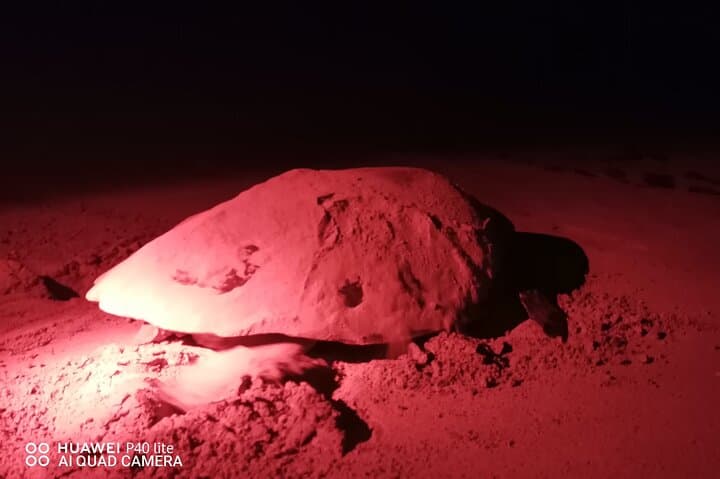
A salt-scraped wind pushes off the flat Atlantic as you walk a dark beach toward a single, dimly lit line of figures. The guides move like foxes, whispering into radios as the dune-silhouette of a loggerhead cuts a slow, deliberate arc against the surf. For two hours you stand at an organized remove and watch the ancient, patient ritual of nesting: the body heaves, sand is dug, eggs are laid, the nest is closed and camouflaged, then the turtle trudges back to the sea.
A salt-scraped wind pushes off the flat Atlantic as you walk a dark beach toward a single, dimly lit line of figures. The guides move like foxes, whispering into radios as the dune-silhouette of a loggerhead cuts a slow, deliberate arc against the surf. For two hours you stand at an organized remove and watch the ancient, patient ritual of nesting: the body heaves, sand is dug, eggs are laid, the nest is closed and camouflaged, then the turtle trudges back to the sea.
Sal Island’s low volcanic ridge and wide sandy beaches make it one of Cape Verde’s important nesting sites, especially for Caretta caretta. The island’s salt pans and shallow lagoons speak to a geological past of eruptions and sea-level shifts, while local fishing villages have coexisted with turtle activity for generations. In recent decades conservation groups and guides have formalized night patrols to protect nests and reduce light and human disturbance.
Practically, this is a low-impact, low-exertion night walk best done between June and October when nesting peaks. Operators use night-vision optics and red-filter lighting; guests are asked to wear dark clothing, keep phones silent, and never use white light or flash. Expect sandy footing, cool breezes, and close but respectful viewing—no touching. Bring a refillable water bottle, a light wind layer, and insect repellent. Advance booking is recommended because patrols are limited and guided groups move quickly to protect nesting turtles. Observing a nesting turtle is quietly elemental: the ocean seems to beckon the animal home while the beach holds its breath.