THE ADVENTURE COLLECTIVE® · Independent discovery and booking for outdoor travel

Step onto the sea floor without a tank: Sea Trek helmet diving in Costa Teguise offers a 30‑minute underwater walk at 3–4 meters, designed for non‑swimmers and families. Read on for what to expect, how to prepare, and local tips for a smooth experience.
Step onto the sea floor without a tank: Sea Trek helmet diving in Costa Teguise offers a 30‑minute underwater walk at 3–4 meters, designed for non‑swimmers and families. Read on for what to expect, how to prepare, and local tips for a smooth experience.
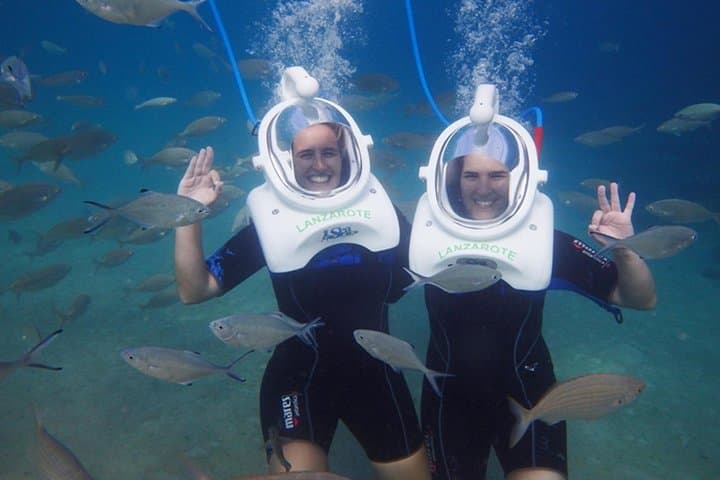
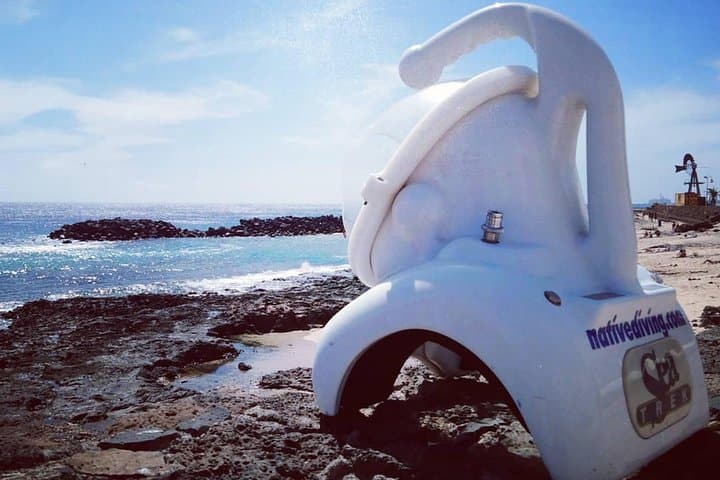
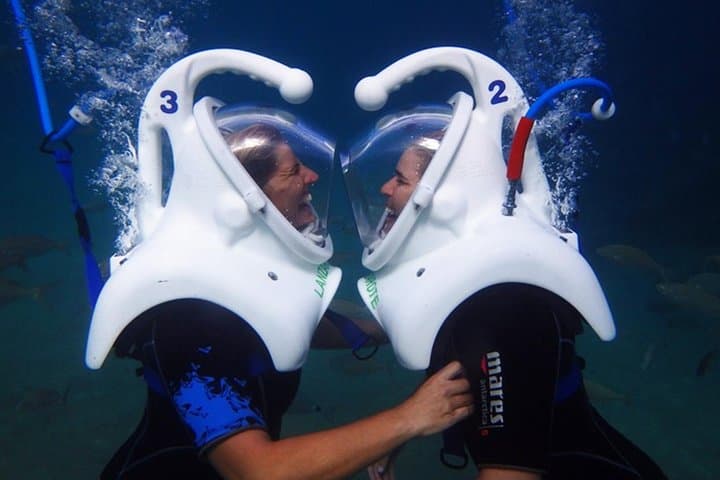
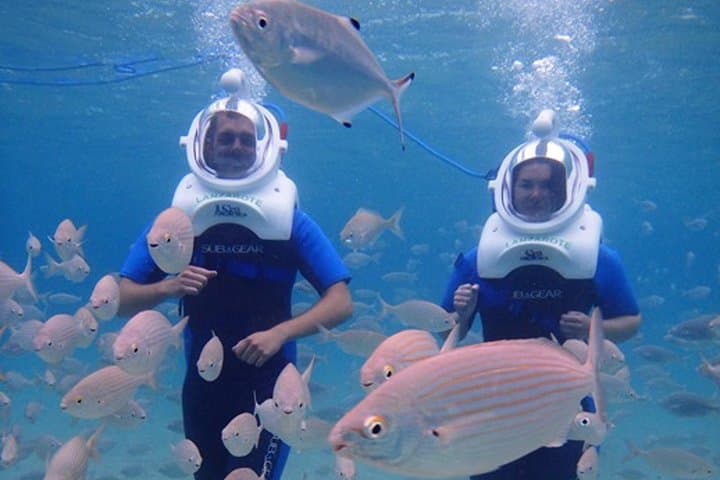
The ocean opens like a low-roar threshold as you clip into a helmet that allows normal breathing and a wide field of view. Standing on a rocky beach in Costa Teguise, you feel the Atlantic press lightly against the shore; a guide counts down and the world tilts into an aquarium of paler blues. At 3–4 meters, sunlight threads through the surface and settlements of fish weave around volcanic outcrops — the helmet steadies your head and the seabed seems to invite you to float.
Verified experiences and guided adventures in the surrounding area.
Operated by VIMOTIONS · Costa Teguise, Canary Islands
The ocean opens like a low-roar threshold as you clip into a helmet that allows normal breathing and a wide field of view. Standing on a rocky beach in Costa Teguise, you feel the Atlantic press lightly against the shore; a guide counts down and the world tilts into an aquarium of paler blues. At 3–4 meters, sunlight threads through the surface and settlements of fish weave around volcanic outcrops — the helmet steadies your head and the seabed seems to invite you to float.
Lanzarote’s volcanic geology shapes this coast: black lava ribs and pale sand meet clear water, a landscape shaped by eruptions in the 18th century and human design by local artists like César Manrique. The island’s fishing and maritime tradition still shapes local life; helmet diving is a modern layer on centuries of seafaring. Expect to see bream, wrasse, and occasionally a ray gliding over sandy hollows.
Practically, the Sea Trek system is accessible: 10 minutes of on‑shore briefing, then roughly 30 minutes underwater in small groups (max 8). No swimming skill is required, minimum age is eight, and depth is shallow — ideal for first‑time underwater explorers. Wear a swimsuit and water shoes, leave valuables in a locker, and disclose any cardiovascular or respiratory issues before booking. Weather can move sites; operators cancel in unsafe conditions.
This is a short, sensory introduction to Lanzarote’s marine life — steady, guided, and engineered for comfort. It’s a good choice for travelers who want an effortless underwater encounter without certification, combining clear logistics with a visceral sea‑level experience.
easy.
40 minutes (10‑minute briefing + 30‑minute underwater).
Suitable for most fitness levels; participants should be able to stand and follow basic instructions for short periods.
No — the helmet system supplies air and keeps your face dry; you’ll be supported and guided on the seabed at shallow depth.
Typical dives reach 3–4 meters and include about 30 minutes underwater after a short onshore briefing.
Minimum age is eight years old; children must be able to follow instructions and be accompanied by an adult.
Standard waterproof cameras are not permitted in the helmet, but prescription glasses and contact lenses can be worn under the helmet; confirm specifics with the operator before diving.
Lanzarote’s modern coastline was reshaped by volcanic eruptions in the 18th and 20th centuries; local architecture and land use reflect a long relationship between fishing and volcanic soils.
Operators typically follow local guidelines to avoid touching the seabed and disturbing wildlife; stick to briefings and avoid bringing disposable plastics that can enter the sea.
VIMOTIONS operates guided outdoor trips and adventures with an emphasis on safety, stewardship, and memorable experiences.
The ocean opens like a low-roar threshold as you clip into a helmet that allows normal breathing and a wide field of view. Standing on a rocky beach in Costa Teguise, you feel the Atlantic press lightly against the shore; a guide counts down and the world tilts into an aquarium of paler blues. At 3–4 meters, sunlight threads through the surface and settlements of fish weave around volcanic outcrops — the helmet steadies your head and the seabed seems to invite you to float.
The ocean opens like a low-roar threshold as you clip into a helmet that allows normal breathing and a wide field of view. Standing on a rocky beach in Costa Teguise, you feel the Atlantic press lightly against the shore; a guide counts down and the world tilts into an aquarium of paler blues. At 3–4 meters, sunlight threads through the surface and settlements of fish weave around volcanic outcrops — the helmet steadies your head and the seabed seems to invite you to float.
Lanzarote’s volcanic geology shapes this coast: black lava ribs and pale sand meet clear water, a landscape shaped by eruptions in the 18th century and human design by local artists like César Manrique. The island’s fishing and maritime tradition still shapes local life; helmet diving is a modern layer on centuries of seafaring. Expect to see bream, wrasse, and occasionally a ray gliding over sandy hollows.
Practically, the Sea Trek system is accessible: 10 minutes of on‑shore briefing, then roughly 30 minutes underwater in small groups (max 8). No swimming skill is required, minimum age is eight, and depth is shallow — ideal for first‑time underwater explorers. Wear a swimsuit and water shoes, leave valuables in a locker, and disclose any cardiovascular or respiratory issues before booking. Weather can move sites; operators cancel in unsafe conditions.
This is a short, sensory introduction to Lanzarote’s marine life — steady, guided, and engineered for comfort. It’s a good choice for travelers who want an effortless underwater encounter without certification, combining clear logistics with a visceral sea‑level experience.