THE ADVENTURE COLLECTIVE® · Independent discovery and booking for outdoor travel

Step into the world’s oldest operating aquarium and move from British rockpools to a tropical rainforest under Victorian ironwork. This guide covers history, must‑see exhibits and practical tips to plan a smooth visit to SEA LIFE Brighton.
Step into the world’s oldest operating aquarium and move from British rockpools to a tropical rainforest under Victorian ironwork. This guide covers history, must‑see exhibits and practical tips to plan a smooth visit to SEA LIFE Brighton.
Stand beneath the painted ironwork of a 19th‑century auditorium and feel the air shift—humid, warm, threaded with salt and the quick flick of fins. SEA LIFE Brighton occupies the original Victorian aquarium built in 1872; today its galleries move from cool British rockpools to a steamy tropical rainforest, leading you under a 750,000‑litre ocean tank where turtles and sharks glide overhead.
Verified experiences and guided adventures in the surrounding area.
Operated by Merlin SEA LIFE Centres · Brighton, East Sussex
Stand beneath the painted ironwork of a 19th‑century auditorium and feel the air shift—humid, warm, threaded with salt and the quick flick of fins. SEA LIFE Brighton occupies the original Victorian aquarium built in 1872; today its galleries move from cool British rockpools to a steamy tropical rainforest, leading you under a 750,000‑litre ocean tank where turtles and sharks glide overhead.
The building itself is part of Brighton’s seaside story: Victorian engineering perched on the pebble beach, a reminder of the town’s turn toward leisure and marine science in the industrial age. Geologically, the southern coast exposes chalk and flints nearby, while locally curated exhibits connect that coastline to tropical reefs, shellfish ecology and rescued species.
Culturally the aquarium mixes education with spectacle—glass‑bottom boats, interactive rock pools and a long‑running seahorse breeding programme that ties to global conservation efforts, including coral restoration partnerships in the Maldives.
Plan two hours for a comfortable visit; allow longer if you add a glass‑bottom boat or touch tanks. Peak times are late morning and weekends—book mobile tickets in advance to avoid queues. The site is wheelchair and stroller accessible but expect some steep steps around the Victorian areas. Photography is welcome; avoid flash near sensitive displays. Combine your visit with a stroll on Madeira Drive or a quick coffee at nearby cafés to round out the day.
Practical essentials: bring a light layer for cooler gallery corners, carry water, and check the aquarium’s daily schedule for feeding talks and special displays to make the most of the visit.
easy.
2 hours.
Suitable for all fitness levels; primarily indoor walking on flat or gently sloped surfaces
Plan about two hours for the main exhibits; add extra time if you want to take a glass‑bottom boat or attend several keeper talks.
Yes—the aquarium notes wheelchair and stroller accessibility, though some historic areas have steps; staff can advise alternative routes.
Standard cancellation allows a full refund if cancelled at least 24 hours before the visit; check your booking confirmation for details.
There are nearby cafés along the seafront; the aquarium itself has limited refreshments—bringing a small snack is a practical option for families.
Opened in 1872, SEA LIFE Brighton is the world’s oldest operating aquarium and retains much of its Victorian-era structure while housing modern conservation programmes.
SEA LIFE runs breeding and rescue initiatives and partners on coral restoration projects; visitors are encouraged to support conservation messaging and reduce single‑use plastics.
Merlin SEA LIFE Centres operates guided outdoor trips and adventures with an emphasis on safety, stewardship, and memorable experiences.
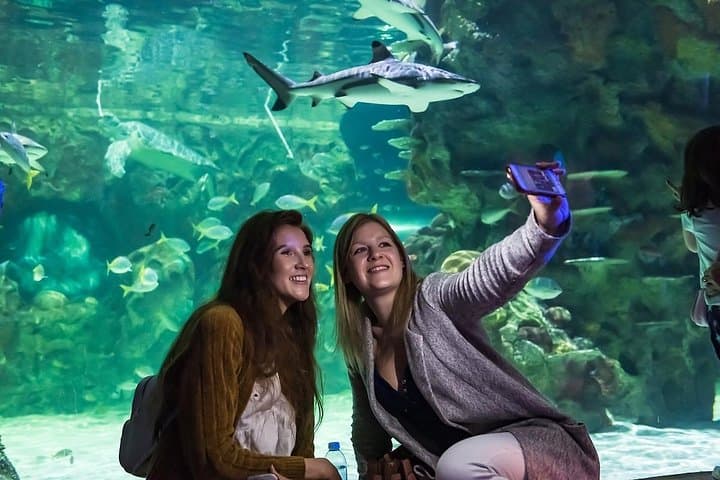
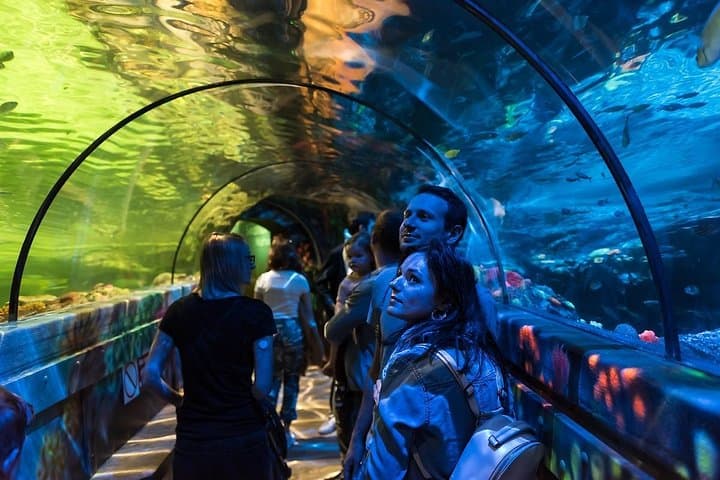
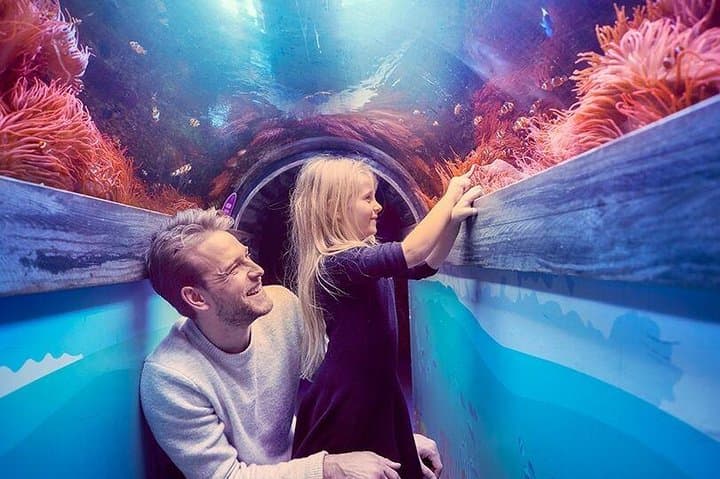
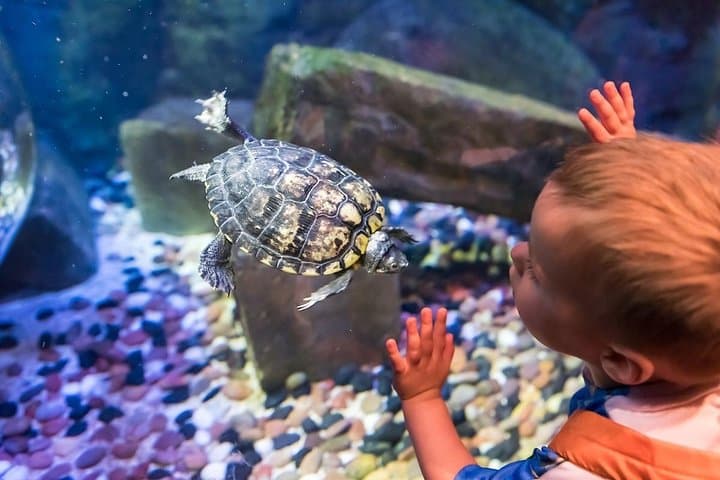
Stand beneath the painted ironwork of a 19th‑century auditorium and feel the air shift—humid, warm, threaded with salt and the quick flick of fins. SEA LIFE Brighton occupies the original Victorian aquarium built in 1872; today its galleries move from cool British rockpools to a steamy tropical rainforest, leading you under a 750,000‑litre ocean tank where turtles and sharks glide overhead.
Stand beneath the painted ironwork of a 19th‑century auditorium and feel the air shift—humid, warm, threaded with salt and the quick flick of fins. SEA LIFE Brighton occupies the original Victorian aquarium built in 1872; today its galleries move from cool British rockpools to a steamy tropical rainforest, leading you under a 750,000‑litre ocean tank where turtles and sharks glide overhead.
The building itself is part of Brighton’s seaside story: Victorian engineering perched on the pebble beach, a reminder of the town’s turn toward leisure and marine science in the industrial age. Geologically, the southern coast exposes chalk and flints nearby, while locally curated exhibits connect that coastline to tropical reefs, shellfish ecology and rescued species.
Culturally the aquarium mixes education with spectacle—glass‑bottom boats, interactive rock pools and a long‑running seahorse breeding programme that ties to global conservation efforts, including coral restoration partnerships in the Maldives.
Plan two hours for a comfortable visit; allow longer if you add a glass‑bottom boat or touch tanks. Peak times are late morning and weekends—book mobile tickets in advance to avoid queues. The site is wheelchair and stroller accessible but expect some steep steps around the Victorian areas. Photography is welcome; avoid flash near sensitive displays. Combine your visit with a stroll on Madeira Drive or a quick coffee at nearby cafés to round out the day.
Practical essentials: bring a light layer for cooler gallery corners, carry water, and check the aquarium’s daily schedule for feeding talks and special displays to make the most of the visit.