THE ADVENTURE COLLECTIVE® · Independent discovery and booking for outdoor travel

Glide along the Amalfi Coast on a direct ferry between Positano and Salerno. This one-hour sea transfer pairs practical transport with panoramic views, open decks and easy access to both towns.
Glide along the Amalfi Coast on a direct ferry between Positano and Salerno. This one-hour sea transfer pairs practical transport with panoramic views, open decks and easy access to both towns.
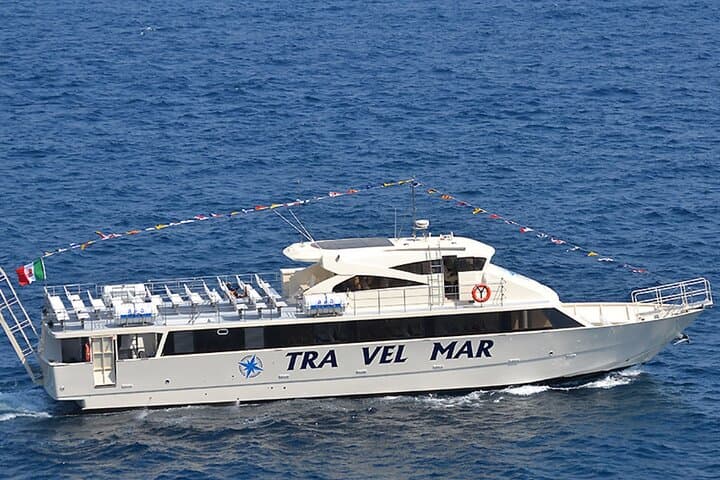
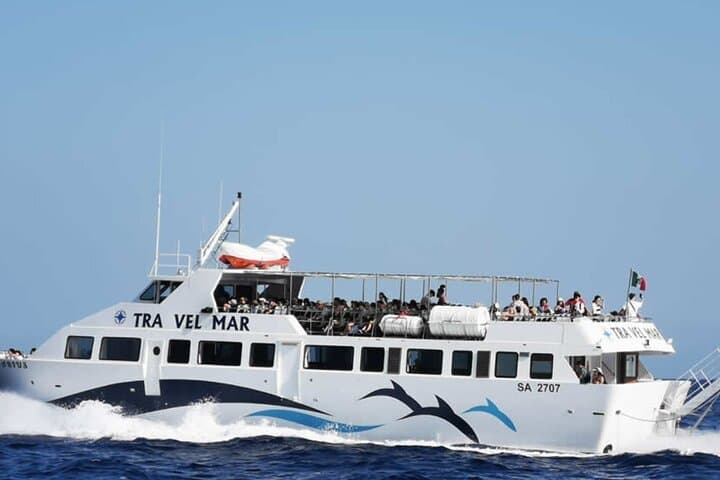
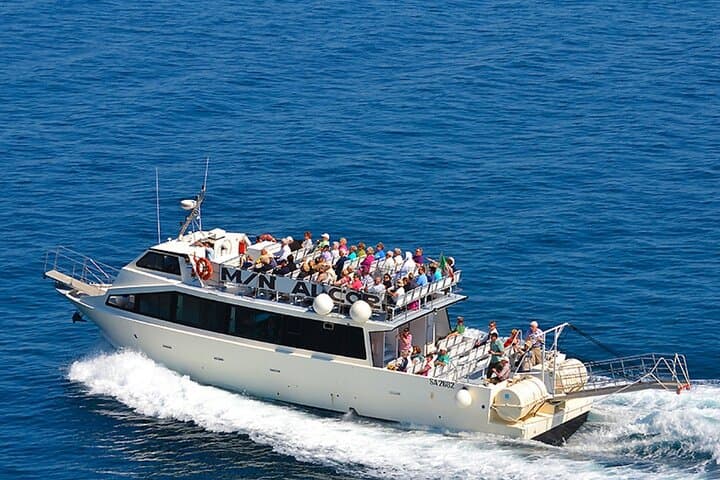
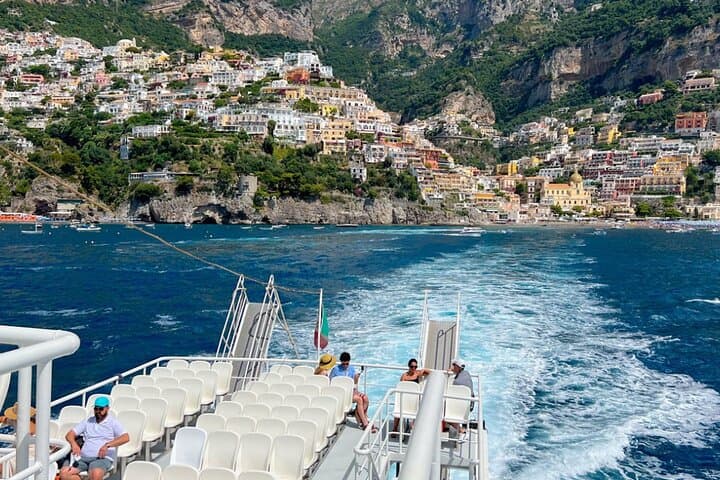
The ferry slips away from Positano’s beach-level dock with the harbor’s pastel houses shrinking behind you and the Amalfi cliffs rising like a coastline that refuses to be subtle. Salt air carries the faint scent of lemons and frying fish; gulls flit along the bow as the boat finds its rhythm. From the open-air deck the sea draws you forward, waves daring the boat to race the coastline’s curves.
Verified experiences and guided adventures in the surrounding area.
Operated by Ferryhopper · Positano, Campania
The ferry slips away from Positano’s beach-level dock with the harbor’s pastel houses shrinking behind you and the Amalfi cliffs rising like a coastline that refuses to be subtle. Salt air carries the faint scent of lemons and frying fish; gulls flit along the bow as the boat finds its rhythm. From the open-air deck the sea draws you forward, waves daring the boat to race the coastline’s curves.
This stretch of coast is carved from limestone and volcanic tuff; cliffs bear terraces where citrus and olive trees cling to steep soil, a landscape shaped by millennia of runoff and human terracing. Salerno’s Molo Concordia marks the northern gateway to the Gulf of Salerno, a port with Roman and medieval layers visible in its narrow streets and cathedral. The ferry route has long been both practical link and scenic corridor—an essential part of local movement that also reveals the region’s maritime culture.
Practical guidance: crossings run about 70–110 minutes depending on conditions; arrive at least 30 minutes early with your e-ticket ready. One small bag up to 45×35×20 cm is free—pack a light jacket for the open deck and sun protection for exposed mid-day sails. Seasickness affects some travelers; pick a midship seat, focus on the horizon, and bring remedies if you’re sensitive. In high summer, boats fill quickly—book morning or late-afternoon sails for softer light and fewer crowds. On arrival in Salerno or Positano you step straight into walkable centers, taxis, and bus links, making this transfer both efficient and scenic: transport that doubles as an Amalfi Coast primer.
easy.
70–110 minutes.
Suitable for all fitness levels; mostly seated with short walks at ports
Crossings typically take between 70 and 110 minutes depending on sea conditions and the specific sailing.
Positano uses a beach-level dock close to the Spiaggia Grande; Salerno arrives at Molo Concordia near the city center and transport links.
Yes — one small bag up to 45×35×20 cm is allowed free of charge; larger luggage may be restricted, so travel light when possible.
Infants can travel but must sit on laps; service animals are allowed. Strollers are generally accepted on board.
The Amalfi coastline was a maritime powerhouse in the Middle Ages; ports like Amalfi and Salerno were key commercial and cultural centers with centuries-old coastal routes.
High summer boat traffic stresses coastal ecosystems; choose operators that follow local waste and speed regulations and avoid feeding wildlife.
Ferryhopper operates guided outdoor trips and adventures with an emphasis on safety, stewardship, and memorable experiences.
The ferry slips away from Positano’s beach-level dock with the harbor’s pastel houses shrinking behind you and the Amalfi cliffs rising like a coastline that refuses to be subtle. Salt air carries the faint scent of lemons and frying fish; gulls flit along the bow as the boat finds its rhythm. From the open-air deck the sea draws you forward, waves daring the boat to race the coastline’s curves.
The ferry slips away from Positano’s beach-level dock with the harbor’s pastel houses shrinking behind you and the Amalfi cliffs rising like a coastline that refuses to be subtle. Salt air carries the faint scent of lemons and frying fish; gulls flit along the bow as the boat finds its rhythm. From the open-air deck the sea draws you forward, waves daring the boat to race the coastline’s curves.
This stretch of coast is carved from limestone and volcanic tuff; cliffs bear terraces where citrus and olive trees cling to steep soil, a landscape shaped by millennia of runoff and human terracing. Salerno’s Molo Concordia marks the northern gateway to the Gulf of Salerno, a port with Roman and medieval layers visible in its narrow streets and cathedral. The ferry route has long been both practical link and scenic corridor—an essential part of local movement that also reveals the region’s maritime culture.
Practical guidance: crossings run about 70–110 minutes depending on conditions; arrive at least 30 minutes early with your e-ticket ready. One small bag up to 45×35×20 cm is free—pack a light jacket for the open deck and sun protection for exposed mid-day sails. Seasickness affects some travelers; pick a midship seat, focus on the horizon, and bring remedies if you’re sensitive. In high summer, boats fill quickly—book morning or late-afternoon sails for softer light and fewer crowds. On arrival in Salerno or Positano you step straight into walkable centers, taxis, and bus links, making this transfer both efficient and scenic: transport that doubles as an Amalfi Coast primer.