THE ADVENTURE COLLECTIVE® · Independent discovery and booking for outdoor travel

Paddle across Lyttelton Harbour to Quail Island on a guided day trip from Christchurch. Expect coastal cliffs, shipwreck remains, short island walks and a picnic lunch — all weather-dependent and adaptable to skill level.
Paddle across Lyttelton Harbour to Quail Island on a guided day trip from Christchurch. Expect coastal cliffs, shipwreck remains, short island walks and a picnic lunch — all weather-dependent and adaptable to skill level.
You push off from a sheltered beach and the harbour opens: shelf-like cliffs, the Port Hills rising behind you, and Quail Island—its low, pumice-strewn shore—waiting across calm water. Salt air stings lightly as the guide calls out a line of paddlers and the rhythm of blades begins, the kayak carving a narrow wake toward sea caves and a ship’s graveyard.
Verified experiences and guided adventures in the surrounding area.
Operated by Adventure by Nature · Christchurch, Canterbury
You push off from a sheltered beach and the harbour opens: shelf-like cliffs, the Port Hills rising behind you, and Quail Island—its low, pumice-strewn shore—waiting across calm water. Salt air stings lightly as the guide calls out a line of paddlers and the rhythm of blades begins, the kayak carving a narrow wake toward sea caves and a ship’s graveyard.
Geology here is honest and visible: Lyttelton Harbour is a flooded volcanic crater on Banks Peninsula, its rugged ridgelines the eroded remains of an ancient cone. Quail Island (Ōtamahua) carries layered histories — Māori seasonal use, European quarantine stations, and later gun emplacements — all readable in its tracks, ruins and shoreline debris. Local guides frame those stories, pointing out nesting birds and the telltale gouge where waves have undercut basalt.
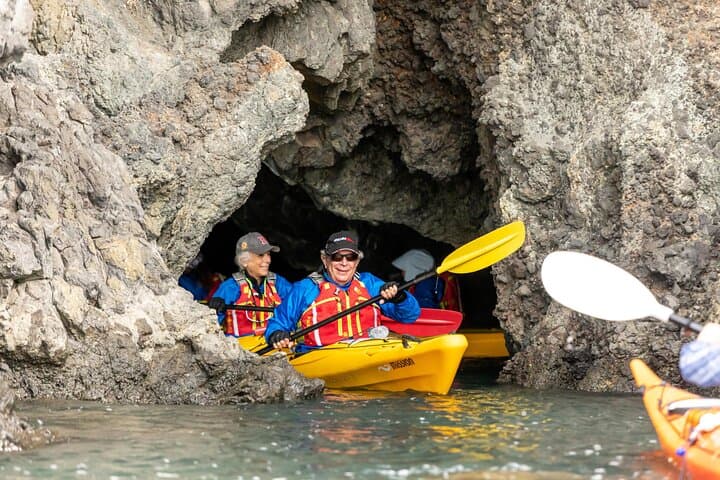
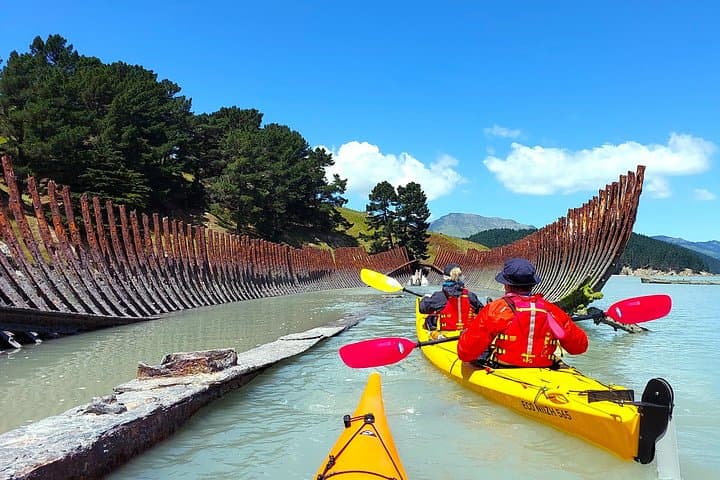
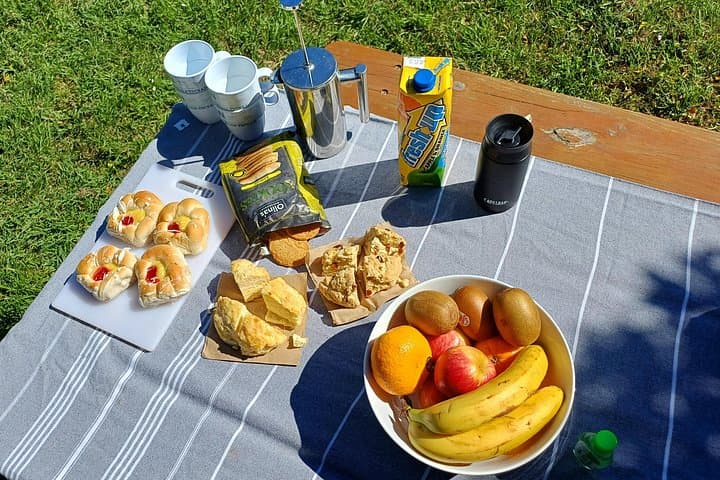
Practically, expect a full-day outing from Christchurch with a 30–45 minute transfer over the Port Hills, guided kayak instruction, and a beach picnic lunch. Conditions are weather- and tide-dependent; guides will adapt the route for safety and group ability. Paddling through Lyttelton’s sheltered arms is straightforward but requires basic stamina and attention to wind shifts. Bring a waterproof layer, sun protection, a refillable water bottle and footwear that can get wet. On Quail Island you can explore short walking tracks, the ship’s graveyard, and sea caves at low swell. Leave no trace: this is a managed conservation space where biosecurity matters — clean footwear and dry bags before landing. By late afternoon you’ll be back over the Port Hills with seawater on your hands and a clearer sense of the harbour’s quiet, storied edges.
moderate.
6–8 hours.
Light to moderate fitness; able to paddle for sustained periods and handle short beach landings
Yes — the tour includes basic instruction and operates in sheltered harbour waters; guides stay with the group and modify the route for skill and conditions.
The operator may cancel or alter the route for safety; full refunds are typically available if you cancel at least 24 hours ahead or if the trip is called off due to weather.
Yes — return transport from Christchurch is included; pickup locations are confirmed at booking and the drive takes about 30–45 minutes via the Port Hills.
Quail Island has limited facilities; restroom use is best before leaving Christchurch or during the operator’s scheduled stop at the departure beach.
Quail Island served as a quarantine station in the 19th century and later housed coastal defenses; the harbour itself is a flooded volcanic crater formed by an ancient eruption on Banks Peninsula.
The island is part of local pest-control and restoration efforts — visitors must follow biosecurity measures and stick to tracks to protect regenerating native bush.
Adventure by Nature operates guided outdoor trips and adventures with an emphasis on safety, stewardship, and memorable experiences.
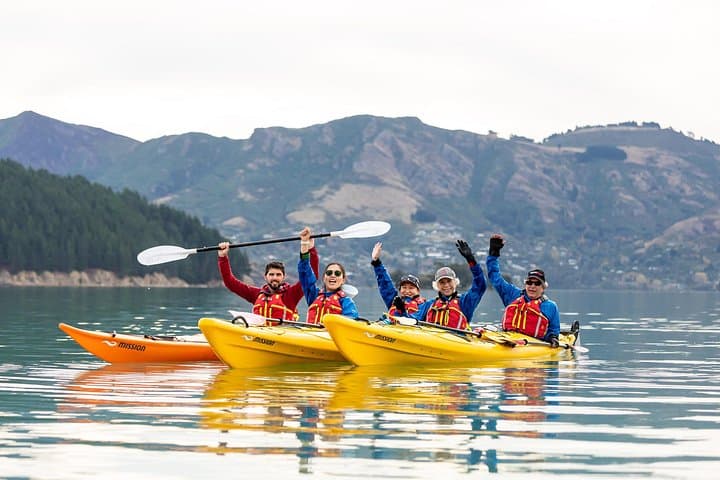
You push off from a sheltered beach and the harbour opens: shelf-like cliffs, the Port Hills rising behind you, and Quail Island—its low, pumice-strewn shore—waiting across calm water. Salt air stings lightly as the guide calls out a line of paddlers and the rhythm of blades begins, the kayak carving a narrow wake toward sea caves and a ship’s graveyard.
You push off from a sheltered beach and the harbour opens: shelf-like cliffs, the Port Hills rising behind you, and Quail Island—its low, pumice-strewn shore—waiting across calm water. Salt air stings lightly as the guide calls out a line of paddlers and the rhythm of blades begins, the kayak carving a narrow wake toward sea caves and a ship’s graveyard.
Geology here is honest and visible: Lyttelton Harbour is a flooded volcanic crater on Banks Peninsula, its rugged ridgelines the eroded remains of an ancient cone. Quail Island (Ōtamahua) carries layered histories — Māori seasonal use, European quarantine stations, and later gun emplacements — all readable in its tracks, ruins and shoreline debris. Local guides frame those stories, pointing out nesting birds and the telltale gouge where waves have undercut basalt.
Practically, expect a full-day outing from Christchurch with a 30–45 minute transfer over the Port Hills, guided kayak instruction, and a beach picnic lunch. Conditions are weather- and tide-dependent; guides will adapt the route for safety and group ability. Paddling through Lyttelton’s sheltered arms is straightforward but requires basic stamina and attention to wind shifts. Bring a waterproof layer, sun protection, a refillable water bottle and footwear that can get wet. On Quail Island you can explore short walking tracks, the ship’s graveyard, and sea caves at low swell. Leave no trace: this is a managed conservation space where biosecurity matters — clean footwear and dry bags before landing. By late afternoon you’ll be back over the Port Hills with seawater on your hands and a clearer sense of the harbour’s quiet, storied edges.