THE ADVENTURE COLLECTIVE® · Independent discovery and booking for outdoor travel

Combine an intro sea-kayak on Ojika Island’s clear waters with hands-on beach cleanup on a remote cove. Expect sheltered paddling, a guided conservation briefing, and a handmade cleanup kit to take home.
Combine an intro sea-kayak on Ojika Island’s clear waters with hands-on beach cleanup on a remote cove. Expect sheltered paddling, a guided conservation briefing, and a handmade cleanup kit to take home.
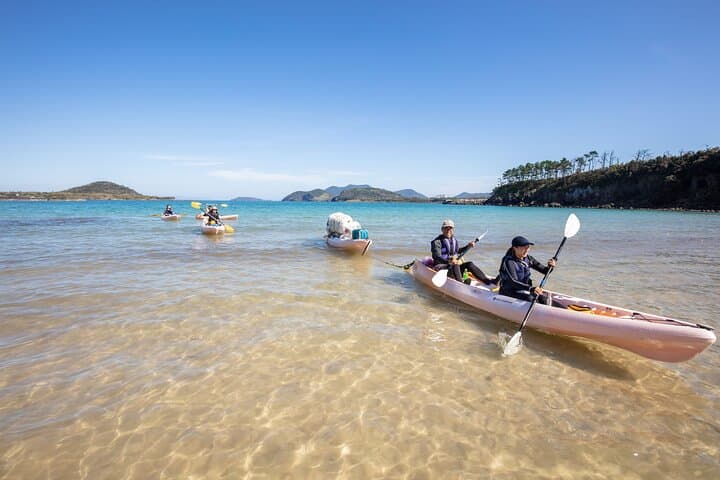
The tide pulls at the kayak as you push off a quiet public beach and head toward a narrow channel; the sea seems to dare you onward, and the current nudges the bow toward a stretch of sand no road reaches.
Verified experiences and guided adventures in the surrounding area.
Operated by Ojika Island Tourism · Ojika, Nagasaki
The tide pulls at the kayak as you push off a quiet public beach and head toward a narrow channel; the sea seems to dare you onward, and the current nudges the bow toward a stretch of sand no road reaches.
Ojika Island, part of Nagasaki Prefecture’s island network, is a place of volcanic rock shelves, wind-scoured headlands and broad white sand that was formed by longshore currents and ancient eruptions. Its fishing villages carry a centuries-old maritime culture; boats and boatwright traditions still shape daily life. Modern drift—plastics and debris carried by the Kuroshio and nearby currents—has altered some shorelines, which is why this trip pairs sea kayaking with focused beach cleanup.
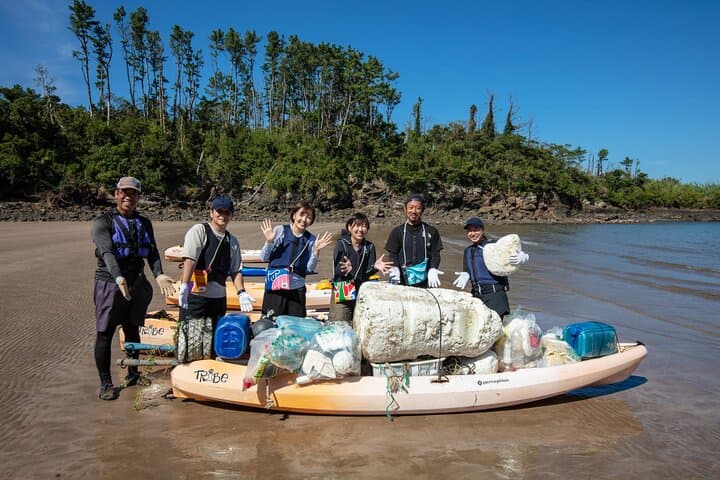
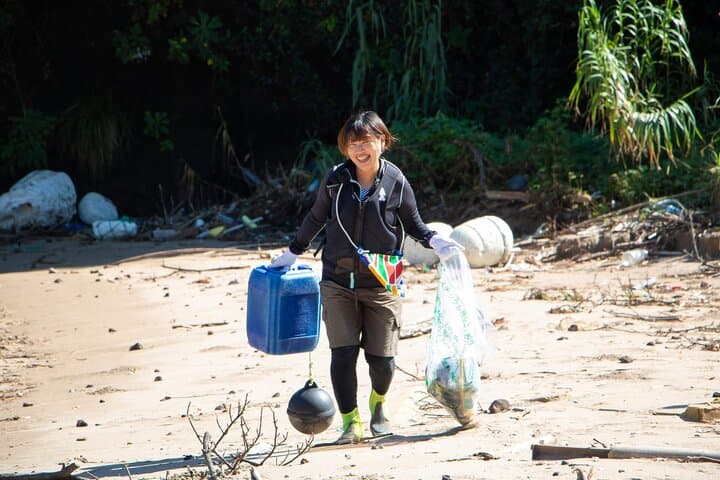
Expect sheltered paddle sections between rocky points and an open approach to a remote cove. Guides issue a handmade cleanup kit and basic safety briefing; the group retrieves washed-up plastics and nets, hauling collected material back to the main beach for responsible disposal. The work is physically straightforward but requires steady paddling and repeated short carries of collected items.
Practical notes: plan for sun and spray—waterproof layers, a snug PFD and reef-safe sunscreen are essential. Timing matters; morning tides and calm winds make landings easier. Fitness should be moderate: short bursts of paddling, some bending, and carrying weigh-ins of collected debris.
This is part outdoor paddle, part community conservation: you leave with a small handmade kit, a clearer beach, and a direct sense of how ocean systems and local stewardship intersect.
moderate.
2 hours.
Participants should have moderate aerobic fitness and basic upper-body strength for paddling and short carries.
No — trips are suitable for beginners; guides teach basic strokes and safety, but participants should be comfortable with moderate physical activity.
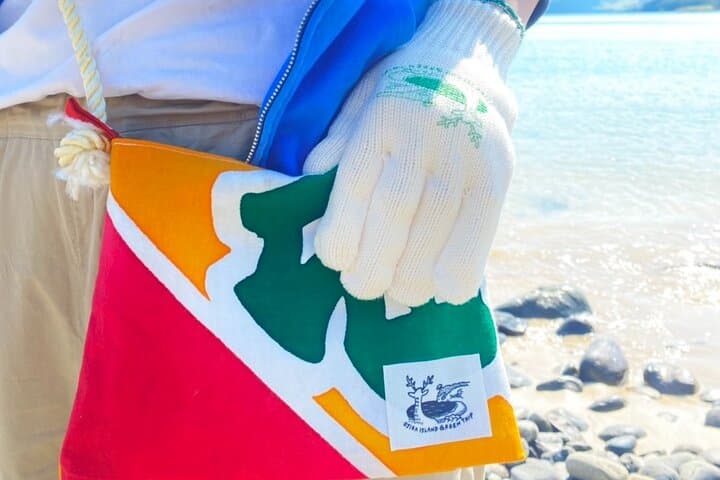
Guides provide reusable gloves, collection bags, a grab-stick and an original handmade keepsake kit to take home.
Collected marine debris is consolidated and taken to a public beach collection point where local staff arrange proper disposal or recycling when possible.
This activity requires moderate fitness and isn’t recommended for people with serious heart, spinal, or pregnancy-related health concerns; check provider rules before booking.
Ojika’s coastal villages developed around fishing and boatbuilding; the island’s access to sea lanes shaped local culture for centuries.
The area faces chronic marine debris brought by regional currents; small-scale cleanups like this supplement municipal efforts and raise awareness among visitors.
Ojika Island Tourism operates guided outdoor trips and adventures with an emphasis on safety, stewardship, and memorable experiences.
The tide pulls at the kayak as you push off a quiet public beach and head toward a narrow channel; the sea seems to dare you onward, and the current nudges the bow toward a stretch of sand no road reaches.
The tide pulls at the kayak as you push off a quiet public beach and head toward a narrow channel; the sea seems to dare you onward, and the current nudges the bow toward a stretch of sand no road reaches.
Ojika Island, part of Nagasaki Prefecture’s island network, is a place of volcanic rock shelves, wind-scoured headlands and broad white sand that was formed by longshore currents and ancient eruptions. Its fishing villages carry a centuries-old maritime culture; boats and boatwright traditions still shape daily life. Modern drift—plastics and debris carried by the Kuroshio and nearby currents—has altered some shorelines, which is why this trip pairs sea kayaking with focused beach cleanup.
Expect sheltered paddle sections between rocky points and an open approach to a remote cove. Guides issue a handmade cleanup kit and basic safety briefing; the group retrieves washed-up plastics and nets, hauling collected material back to the main beach for responsible disposal. The work is physically straightforward but requires steady paddling and repeated short carries of collected items.
Practical notes: plan for sun and spray—waterproof layers, a snug PFD and reef-safe sunscreen are essential. Timing matters; morning tides and calm winds make landings easier. Fitness should be moderate: short bursts of paddling, some bending, and carrying weigh-ins of collected debris.
This is part outdoor paddle, part community conservation: you leave with a small handmade kit, a clearer beach, and a direct sense of how ocean systems and local stewardship intersect.