THE ADVENTURE COLLECTIVE® · Independent discovery and booking for outdoor travel

Paddle out from Marina Piccola to Sella del Diavolo and glide along limestone cliffs, reefs and clear Mediterranean water. This guided tour mixes calm coastal paddling with snorkeling stops and sweeping views of Poetto and the Gulf of Angels.
Paddle out from Marina Piccola to Sella del Diavolo and glide along limestone cliffs, reefs and clear Mediterranean water. This guided tour mixes calm coastal paddling with snorkeling stops and sweeping views of Poetto and the Gulf of Angels.
A morning on the water begins at Marina Piccola, where kayaks slide from hands into glassy Mediterranean and the limestone headland known as Sella del Diavolo rises like a rugged prow. Paddlers move close to sheer cliffs, past rust-colored reef outcrops and beds of Posidonia that shift like an underwater field; cormorants lift off in black staccato and seagulls quarter the breeze as the city recedes behind you.
Verified experiences and guided adventures in the surrounding area.
Operated by Sardinia Tourist Guide · Cagliari, Sardinia
A morning on the water begins at Marina Piccola, where kayaks slide from hands into glassy Mediterranean and the limestone headland known as Sella del Diavolo rises like a rugged prow. Paddlers move close to sheer cliffs, past rust-colored reef outcrops and beds of Posidonia that shift like an underwater field; cormorants lift off in black staccato and seagulls quarter the breeze as the city recedes behind you.
The Sella del Diavolo carries layers of history—Phoenician and Roman anchor points, and later coastal defenses—etched into its rocky spine. Geologically it's compacted limestone with small caves and fossiliferous shelves; visible strata angle toward the gulf, creating vertical faces that plummet into clear water. Local culture still orbits the sea: fish markets at dawn, slow-paced seaside cafes, and the long sweep of Poetto beach framing the bay.
Expect roughly 3–4 hours afloat with stops for snorkeling and photos—approximately 6–8 km of paddling depending on conditions—and options to hug reefs or cross to quieter coves. The route favors calm-sea paddling but can feel exposed if the Mistral rises; currents at the headland can push a kayak along faster than you expect.
Practical guidance: bring reef-safe sunscreen, a light wind layer, and shoes for brief rocky landings. Hydrate before launch and plan for protected re-boarding at Marina Piccola. Guides supply kayaks, lifejackets and waterproof bags; basic paddling competency and an ability to swim are required. With clear water and territorial cliffs, the Devil's Saddle rewards steady paddlers with a vivid slice of Sardinia's coastal geology and wildlife.
moderate.
3–4 hours.
Moderate fitness—able to paddle for sustained periods and perform short re-entries; basic swimming ability required.
The total tour is about 3–4 hours with approximately 6–8 km of paddling depending on conditions and stops for snorkeling and photos.
No advanced experience is required, but you should be comfortable paddling for extended periods and able to swim; guides provide basic instruction.
The meeting point is Marina Piccola (in front of Kiosk Aurora) in Cagliari; the route returns to the same harbor.
Yes, but cruise passengers must provide ship name and disembarkation/re-boarding times at booking; late returns due to ship schedules are not refundable.
Sella del Diavolo has Phoenician and Roman maritime links and later coastal fortifications that controlled access to the Gulf of Angels.
Posidonia seagrass beds are ecologically crucial; avoid anchoring or standing in these meadows and use reef-safe sunscreen to reduce impact.
Sardinia Tourist Guide operates guided outdoor trips and adventures with an emphasis on safety, stewardship, and memorable experiences.
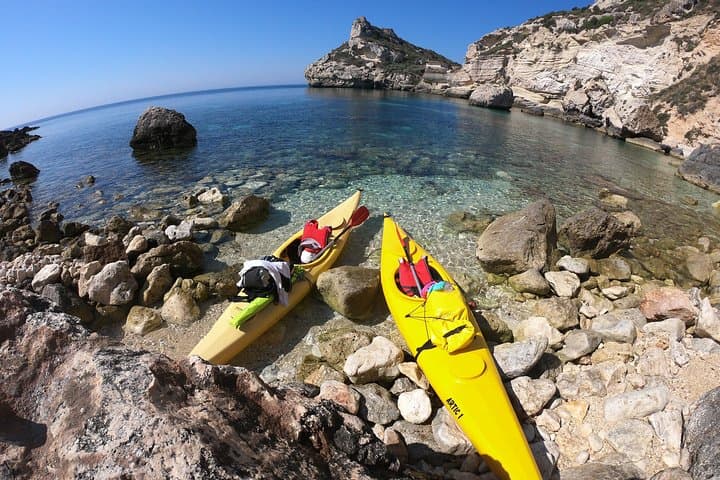
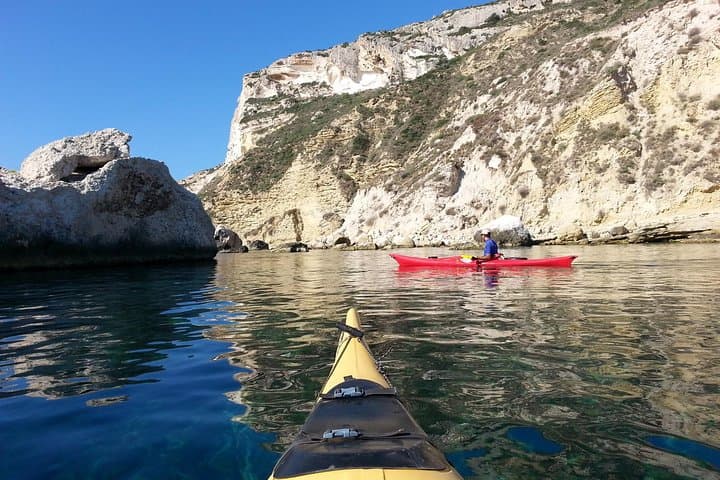
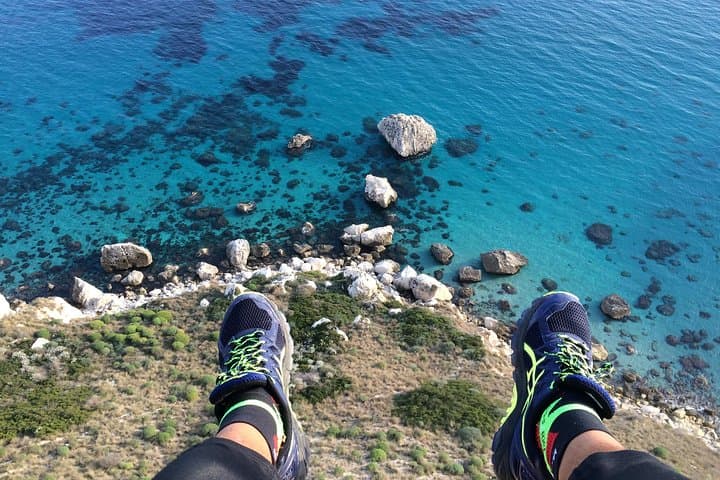
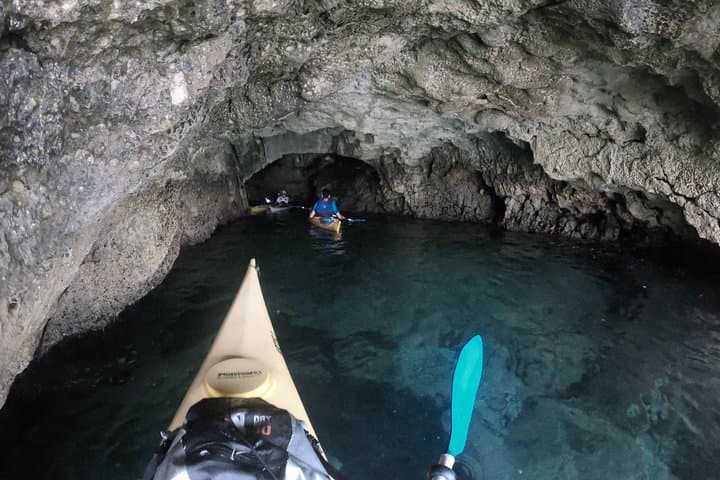
A morning on the water begins at Marina Piccola, where kayaks slide from hands into glassy Mediterranean and the limestone headland known as Sella del Diavolo rises like a rugged prow. Paddlers move close to sheer cliffs, past rust-colored reef outcrops and beds of Posidonia that shift like an underwater field; cormorants lift off in black staccato and seagulls quarter the breeze as the city recedes behind you.
A morning on the water begins at Marina Piccola, where kayaks slide from hands into glassy Mediterranean and the limestone headland known as Sella del Diavolo rises like a rugged prow. Paddlers move close to sheer cliffs, past rust-colored reef outcrops and beds of Posidonia that shift like an underwater field; cormorants lift off in black staccato and seagulls quarter the breeze as the city recedes behind you.
The Sella del Diavolo carries layers of history—Phoenician and Roman anchor points, and later coastal defenses—etched into its rocky spine. Geologically it's compacted limestone with small caves and fossiliferous shelves; visible strata angle toward the gulf, creating vertical faces that plummet into clear water. Local culture still orbits the sea: fish markets at dawn, slow-paced seaside cafes, and the long sweep of Poetto beach framing the bay.
Expect roughly 3–4 hours afloat with stops for snorkeling and photos—approximately 6–8 km of paddling depending on conditions—and options to hug reefs or cross to quieter coves. The route favors calm-sea paddling but can feel exposed if the Mistral rises; currents at the headland can push a kayak along faster than you expect.
Practical guidance: bring reef-safe sunscreen, a light wind layer, and shoes for brief rocky landings. Hydrate before launch and plan for protected re-boarding at Marina Piccola. Guides supply kayaks, lifejackets and waterproof bags; basic paddling competency and an ability to swim are required. With clear water and territorial cliffs, the Devil's Saddle rewards steady paddlers with a vivid slice of Sardinia's coastal geology and wildlife.