THE ADVENTURE COLLECTIVE® · Independent discovery and booking for outdoor travel

Swim from a quiet sandy cove into an unlit natural sea cave system at Cova Coloms, exploring submerged pools and mineral formations with a guide. This small-group excursion balances hands-on spelunking with coastal hiking and snorkeling.
Swim from a quiet sandy cove into an unlit natural sea cave system at Cova Coloms, exploring submerged pools and mineral formations with a guide. This small-group excursion balances hands-on spelunking with coastal hiking and snorkeling.
The day begins on a small, sun-baked beach where the Mediterranean murmurs against limestone and the guide checks lights and wetsuits. You pull on neoprene, feel the cool rush as you slip into crystal-clear water, and swim toward a dark oval mouth in the cliff — an aperture into a subterranean coastline shaped by salt and time.
Verified experiences and guided adventures in the surrounding area.
Operated by Experience Mallorca S.L · Santanyí, Balearic Islands
The day begins on a small, sun-baked beach where the Mediterranean murmurs against limestone and the guide checks lights and wetsuits. You pull on neoprene, feel the cool rush as you slip into crystal-clear water, and swim toward a dark oval mouth in the cliff — an aperture into a subterranean coastline shaped by salt and time.
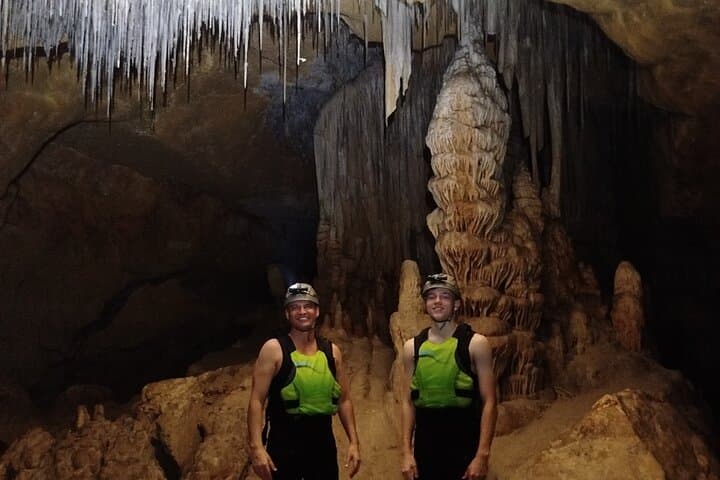
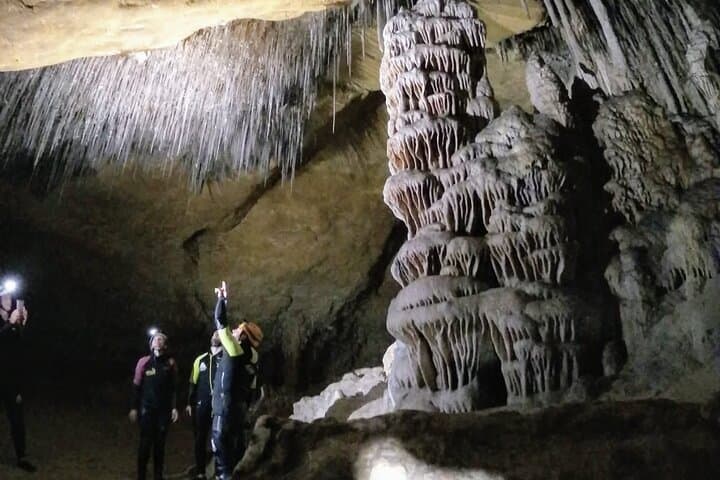
This part of Mallorca preserves karst geology carved by Pleistocene sea-level changes; inside, stalagmites, stalactites and flowstone curtains record the slow chemistry of seawater and groundwater. Local fishermen’s stories and 19th‑century coastal charts reference these caverns as seasonal shelters and curious landmarks, and the guides often point out dogtooth spar and tidal notch lines that reveal former sea levels.
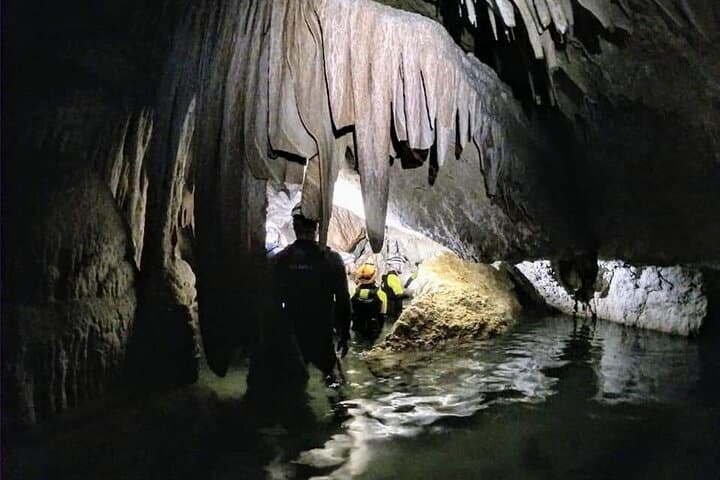
Culturally the area sits within Santanyí’s rural coast: low stonewalls, scattered campos, and a fishing tradition that still reads the sea’s moods. The caves themselves are unlit — no theatrical lighting — so your headlamp becomes the only spotlight on calcite curtains and submerged pools.
Practical guidance: expect walking, crawling and short swims through sheltered pools; the operator supplies wetsuits, helmets, water shoes and lights. Bring a snorkel if you want to study underwater formations, and pack at least 2 liters of water and a sturdy lunch. Minimum age is 12 and moderate fitness is required; unpredictable sea conditions mean the guide may switch to nearby caves if the entrance is unsafe. Timing matters — low wind and calm seas make the clearest, safest visits, so plan morning departures in summer and check cancellation policies for weather-related changes.
moderate.
5 hours.
Suitable for someone with moderate cardiovascular fitness and comfort swimming short distances; expect crawling, stooping and intermittent swims.
No formal caving experience is needed, but participants must be comfortable swimming and moving through low passages; guides provide instruction and safety equipment.
Guides assess sea conditions on arrival; if the cave entrance is unsafe they typically visit alternate nearby caves with safer water access to keep the day active.
Yes — wetsuits and helmets are provided; thickness varies seasonally but is generally 3/2mm to 5/4mm depending on water temperature.
Minimum age is 12; all minors must meet the fitness and swimming requirements and be supervised by guardians as directed by guides.
Local maps and fishermen’s logs reference these sea caves as seasonal shelters and natural markers; the karst features visible today reflect fluctuating sea levels since the last ice age.
Visitors should avoid touching delicate formations and never leave waste; guides limit group sizes to reduce impact and protect both underwater and cave ecosystems.
Experience Mallorca S.L operates guided outdoor trips and adventures with an emphasis on safety, stewardship, and memorable experiences.

The day begins on a small, sun-baked beach where the Mediterranean murmurs against limestone and the guide checks lights and wetsuits. You pull on neoprene, feel the cool rush as you slip into crystal-clear water, and swim toward a dark oval mouth in the cliff — an aperture into a subterranean coastline shaped by salt and time.
The day begins on a small, sun-baked beach where the Mediterranean murmurs against limestone and the guide checks lights and wetsuits. You pull on neoprene, feel the cool rush as you slip into crystal-clear water, and swim toward a dark oval mouth in the cliff — an aperture into a subterranean coastline shaped by salt and time.
This part of Mallorca preserves karst geology carved by Pleistocene sea-level changes; inside, stalagmites, stalactites and flowstone curtains record the slow chemistry of seawater and groundwater. Local fishermen’s stories and 19th‑century coastal charts reference these caverns as seasonal shelters and curious landmarks, and the guides often point out dogtooth spar and tidal notch lines that reveal former sea levels.
Culturally the area sits within Santanyí’s rural coast: low stonewalls, scattered campos, and a fishing tradition that still reads the sea’s moods. The caves themselves are unlit — no theatrical lighting — so your headlamp becomes the only spotlight on calcite curtains and submerged pools.
Practical guidance: expect walking, crawling and short swims through sheltered pools; the operator supplies wetsuits, helmets, water shoes and lights. Bring a snorkel if you want to study underwater formations, and pack at least 2 liters of water and a sturdy lunch. Minimum age is 12 and moderate fitness is required; unpredictable sea conditions mean the guide may switch to nearby caves if the entrance is unsafe. Timing matters — low wind and calm seas make the clearest, safest visits, so plan morning departures in summer and check cancellation policies for weather-related changes.