THE ADVENTURE COLLECTIVE® · Independent discovery and booking for outdoor travel

Sit, breathe, and glide: an underwater scooter ride off Cabeza de Toro that puts non-swimmers face-to-fin with Caribbean reef life. Learn what to expect, how local currents shape the shore, and practical tips for a safe, fun dive.
Sit, breathe, and glide: an underwater scooter ride off Cabeza de Toro that puts non-swimmers face-to-fin with Caribbean reef life. Learn what to expect, how local currents shape the shore, and practical tips for a safe, fun dive.
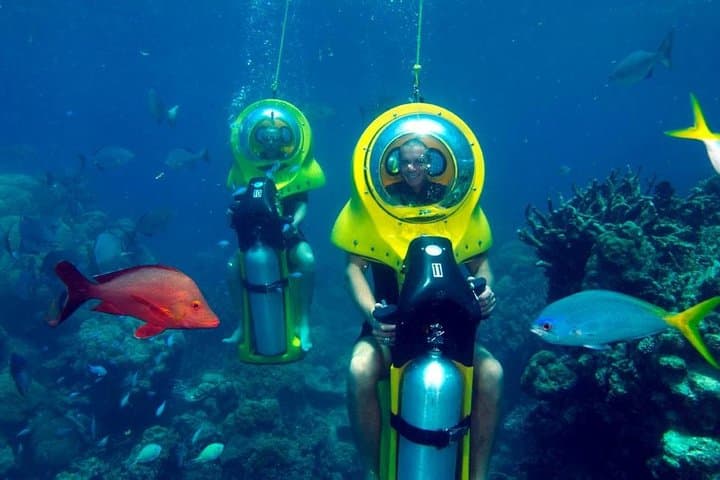
The boat slips away from Cabeza de Toro as wind and salt lean into the deck; the turquoise Caribbean stares back like a promise. Shortly after leaving the shore you’ll mount a low, stable platform and slide into the water on an underwater scooter — a seated, helmet-style breathing system that lets you glide between coral fingers at 3–5 meters depth without needing to swim.
Verified experiences and guided adventures in the surrounding area.
Operated by GO PARADISE RD · Punta Cana, La Altagracia
The boat slips away from Cabeza de Toro as wind and salt lean into the deck; the turquoise Caribbean stares back like a promise. Shortly after leaving the shore you’ll mount a low, stable platform and slide into the water on an underwater scooter — a seated, helmet-style breathing system that lets you glide between coral fingers at 3–5 meters depth without needing to swim.
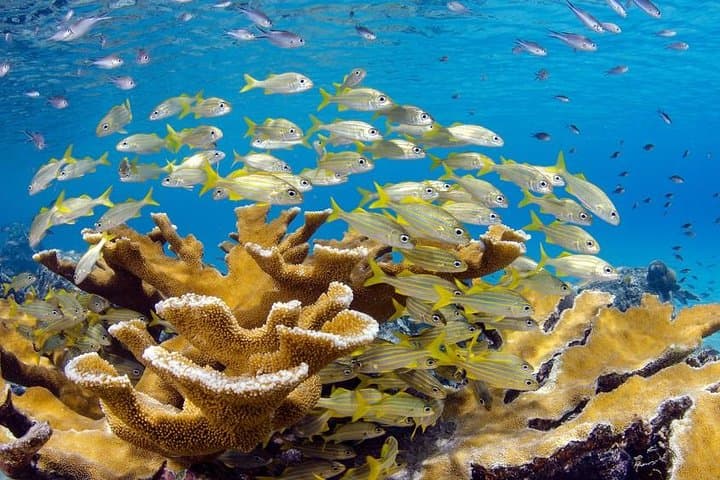
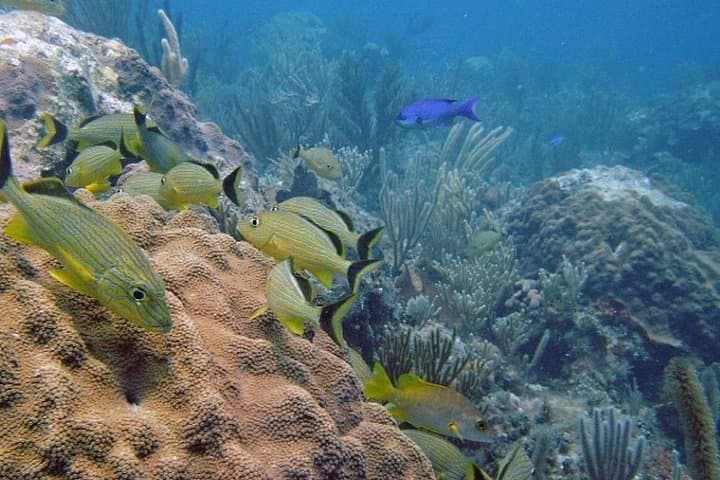
This stretch of coastline formed from uplifted reef and Quaternary carbonate sands; coral heads here host parrotfish, sergeant majors and branching corals that have persisted despite decades of tourism. Local guides are often descendants of coastal fishing communities and can point out how currents and seasonal trade winds shape the sandbars and swim lanes. Nearby Punta Cana’s development is recent (late 20th century), but the shoreline still carries traces of older maritime routes used by Dominican fishermen.
Expect two short underwater scooter runs (15–20 minutes each), a guided snorkel at the official dive point “El Niño,” and a glass-bottom boat cruise back to shore. The operation emphasizes safety: Dive masters brief non-swimmers on breathing helmets, lifeguards accompany snorkelers, and equipment is provided.
Practical guidance: hydrate well before boarding, avoid heavy meals right before submersion, and mention any ear or respiratory issues when booking. Bring reef-safe sunscreen, a quick-dry cover-up, and a waterproof pouch for your phone. Morning departures usually mean calmer water and clearer visibility. The activity is beginner-friendly and delivers accessible, immediate encounters with reef life for travelers who want an easy, memorable introduction to the Caribbean beneath the surface.
easy.
4 hours.
Suitable for most fitness levels; no swimming required but should be comfortable sitting and transferring on/off a boat.
No — the ScubaDoo breathing helmet and seated underwater scooter allow non-swimmers to breathe normally at shallow depths with guide supervision.
Scooter rides are typically at 3–5 meters depth and last about 15–20 minutes per run, supervised by a dive master.
Safety policies vary by operator; many allow older children with guardians present but check age and height restrictions when booking.
Tours commonly cancel in rough seas for safety; the operator offers full refunds if you cancel at least 24 hours prior or if the trip is canceled due to weather.
Cabeza de Toro’s modern tourist role grew with late 20th-century hotel development, but local fishing and small harbor activity have shaped coastal knowledge for generations.
Use reef-safe sunscreen and avoid touching coral; operators often work with local guides to limit contact and reduce disturbance to reef communities.
GO PARADISE RD operates guided outdoor trips and adventures with an emphasis on safety, stewardship, and memorable experiences.
The boat slips away from Cabeza de Toro as wind and salt lean into the deck; the turquoise Caribbean stares back like a promise. Shortly after leaving the shore you’ll mount a low, stable platform and slide into the water on an underwater scooter — a seated, helmet-style breathing system that lets you glide between coral fingers at 3–5 meters depth without needing to swim.
The boat slips away from Cabeza de Toro as wind and salt lean into the deck; the turquoise Caribbean stares back like a promise. Shortly after leaving the shore you’ll mount a low, stable platform and slide into the water on an underwater scooter — a seated, helmet-style breathing system that lets you glide between coral fingers at 3–5 meters depth without needing to swim.
This stretch of coastline formed from uplifted reef and Quaternary carbonate sands; coral heads here host parrotfish, sergeant majors and branching corals that have persisted despite decades of tourism. Local guides are often descendants of coastal fishing communities and can point out how currents and seasonal trade winds shape the sandbars and swim lanes. Nearby Punta Cana’s development is recent (late 20th century), but the shoreline still carries traces of older maritime routes used by Dominican fishermen.
Expect two short underwater scooter runs (15–20 minutes each), a guided snorkel at the official dive point “El Niño,” and a glass-bottom boat cruise back to shore. The operation emphasizes safety: Dive masters brief non-swimmers on breathing helmets, lifeguards accompany snorkelers, and equipment is provided.
Practical guidance: hydrate well before boarding, avoid heavy meals right before submersion, and mention any ear or respiratory issues when booking. Bring reef-safe sunscreen, a quick-dry cover-up, and a waterproof pouch for your phone. Morning departures usually mean calmer water and clearer visibility. The activity is beginner-friendly and delivers accessible, immediate encounters with reef life for travelers who want an easy, memorable introduction to the Caribbean beneath the surface.