THE ADVENTURE COLLECTIVE® · Independent discovery and booking for outdoor travel

Head offshore from Nusa Penida for a two-tank dive to Manta Point and Crystal Bay—designed for certified divers seeking reliable manta encounters. Expect strong currents, dramatic drop-offs, full gear provided, and a half-day schedule that returns by mid-afternoon.
Head offshore from Nusa Penida for a two-tank dive to Manta Point and Crystal Bay—designed for certified divers seeking reliable manta encounters. Expect strong currents, dramatic drop-offs, full gear provided, and a half-day schedule that returns by mid-afternoon.
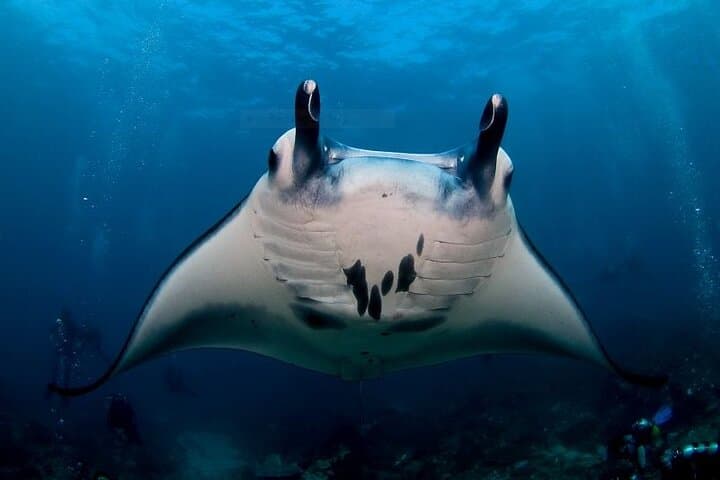
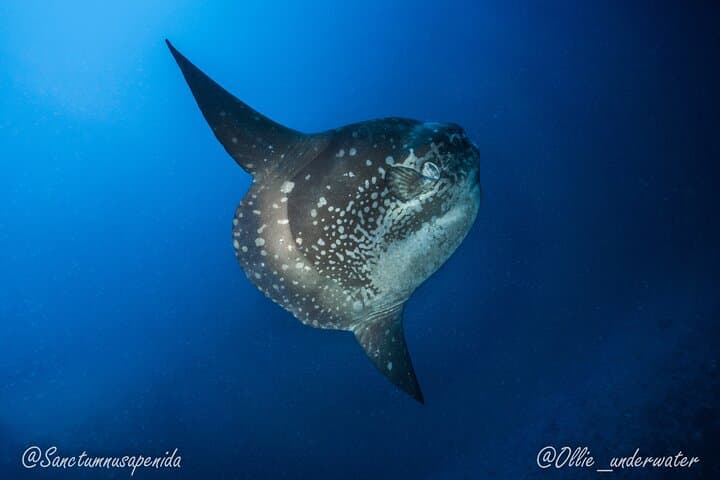
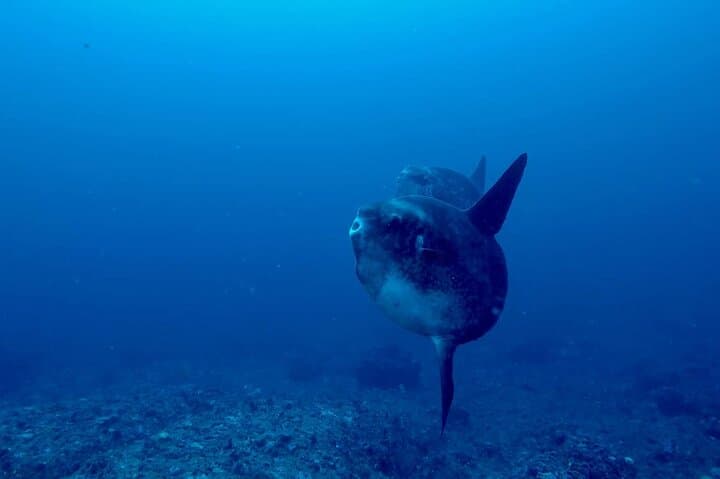
The boat slips from Toya Pakeh and the island falls away; wind tugs at your mask strap, the sea opens, and the schedule tightens—meet at 8:30 a.m., back by 2:00 p.m. Two guided dives take certified open-water divers to Manta Point and Crystal Bay, where currents choreograph plankton blooms and manta rays often glide like dark clouds beneath the surface.
Verified experiences and guided adventures in the surrounding area.
Operated by Sanctum Dive Nusa Penida · Nusa Penida, Bali
The boat slips from Toya Pakeh and the island falls away; wind tugs at your mask strap, the sea opens, and the schedule tightens—meet at 8:30 a.m., back by 2:00 p.m. Two guided dives take certified open-water divers to Manta Point and Crystal Bay, where currents choreograph plankton blooms and manta rays often glide like dark clouds beneath the surface.
Nusa Penida’s coastline is the exposed edge of a volcanic arc: steep walls, soft-sediment basins and reefs cut by strong tidal flows. The island’s villages have long been tied to the sea—fishing and culture here shape local life, and recent conservation initiatives aim to protect mantas and reef systems that draw divers worldwide.
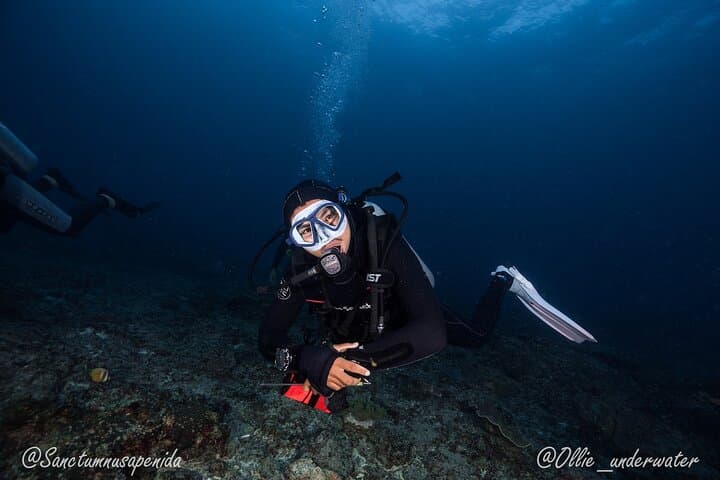
Underwater, geology becomes motion: coral ledges, sandy channels and sweeping drop-offs create cleaning stations where mantas congregate. Above, Balinese shrines dot the cliffs and small harbors pulse with boat traffic. Expect fruit and a packed lunch on board; operators provide full scuba gear and a guide ratio of up to 1:4.
Practicalities matter: bring your dive certification card and a current log if you have one, a 3 mm wetsuit for thermocline chill, and motion-sickness meds if you’re prone—crossing can be bumpy. The trip runs about four hours, includes two dives, and often costs in the local IDR range advertised. Respect cleaning stations, maintain neutral buoyancy and keep your distance from wildlife; mantas are unbothered when divers stay calm. With basic skills and an adventurous mindset, this day-trip is one of the clearest routes to seeing mantas in the wild.
moderate.
4 hours.
Moderate fitness; able to handle surface swims, short ladders and multiple dives in currents
Yes—this experience requires a minimum Open Water Diver certification; proof must be shown at check-in.
Manta sightings are very reliable at Nusa Penida, especially at Manta Point, but wildlife sightings cannot be 100% guaranteed due to natural variability.
Guides typically run a maximum ratio of 1:4 for certified divers on this two-dive trip to Manta Point and Crystal Bay.
Divers should be in good cardiovascular health and able to handle moderate physical exertion; organized tours often ask age and health questions at booking.
Nusa Penida is part of the Balinese cultural region; local villages have historically relied on the sea and more recently participated in marine conservation planning to protect mantas and reefs.
Manta populations here benefit from protected cleaning stations; divers are encouraged to avoid touching coral, use reef-safe sunscreen, and follow guide instructions to minimize disturbance.
Sanctum Dive Nusa Penida operates guided outdoor trips and adventures with an emphasis on safety, stewardship, and memorable experiences.
The boat slips from Toya Pakeh and the island falls away; wind tugs at your mask strap, the sea opens, and the schedule tightens—meet at 8:30 a.m., back by 2:00 p.m. Two guided dives take certified open-water divers to Manta Point and Crystal Bay, where currents choreograph plankton blooms and manta rays often glide like dark clouds beneath the surface.
The boat slips from Toya Pakeh and the island falls away; wind tugs at your mask strap, the sea opens, and the schedule tightens—meet at 8:30 a.m., back by 2:00 p.m. Two guided dives take certified open-water divers to Manta Point and Crystal Bay, where currents choreograph plankton blooms and manta rays often glide like dark clouds beneath the surface.
Nusa Penida’s coastline is the exposed edge of a volcanic arc: steep walls, soft-sediment basins and reefs cut by strong tidal flows. The island’s villages have long been tied to the sea—fishing and culture here shape local life, and recent conservation initiatives aim to protect mantas and reef systems that draw divers worldwide.
Underwater, geology becomes motion: coral ledges, sandy channels and sweeping drop-offs create cleaning stations where mantas congregate. Above, Balinese shrines dot the cliffs and small harbors pulse with boat traffic. Expect fruit and a packed lunch on board; operators provide full scuba gear and a guide ratio of up to 1:4.
Practicalities matter: bring your dive certification card and a current log if you have one, a 3 mm wetsuit for thermocline chill, and motion-sickness meds if you’re prone—crossing can be bumpy. The trip runs about four hours, includes two dives, and often costs in the local IDR range advertised. Respect cleaning stations, maintain neutral buoyancy and keep your distance from wildlife; mantas are unbothered when divers stay calm. With basic skills and an adventurous mindset, this day-trip is one of the clearest routes to seeing mantas in the wild.