THE ADVENTURE COLLECTIVE® · Independent discovery and booking for outdoor travel

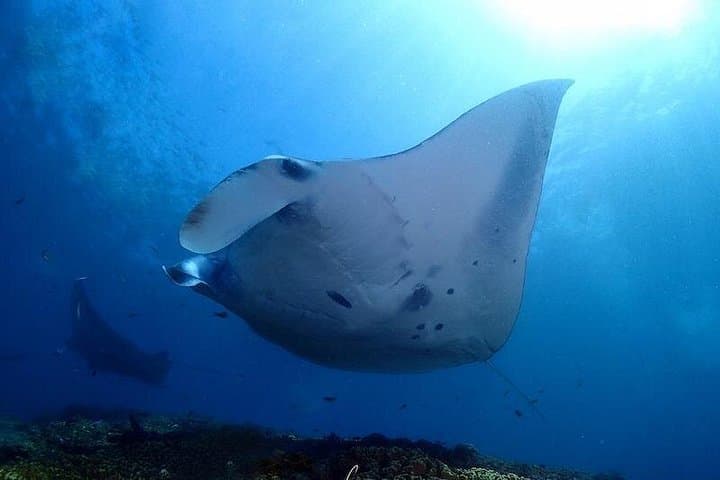
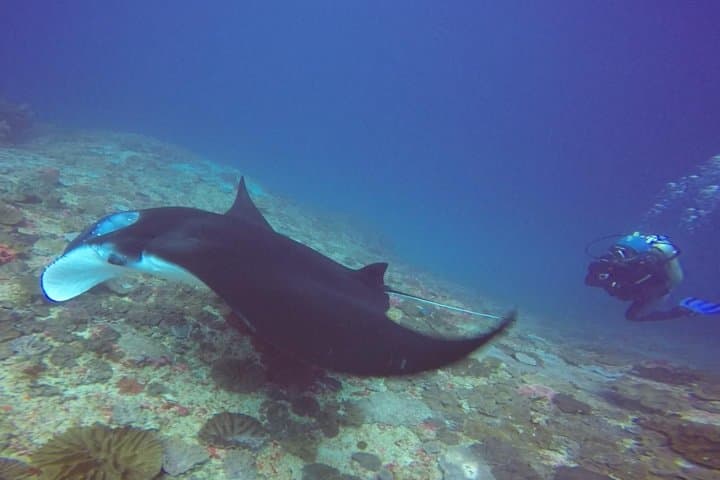
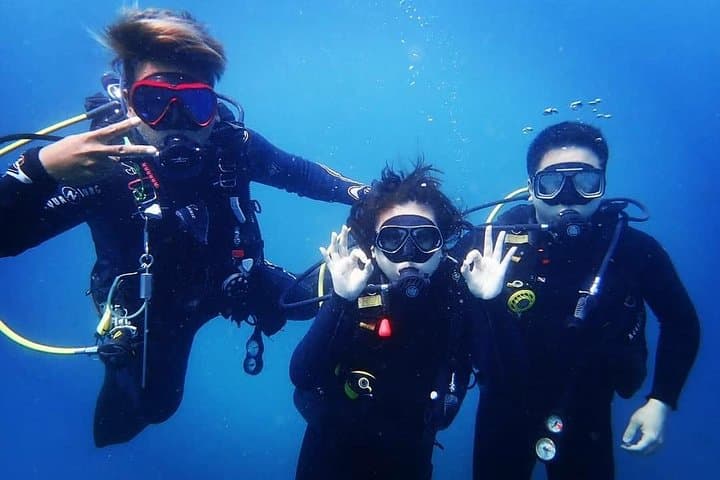
Board a speedboat from Sanur and head to Nusa Penida’s famed Manta Point, a top pick for certified divers aiming to swim alongside giant manta rays — with a chance of mola mola in season. Expect 2–3 guided dives, strong currents at times, and up-close marine encounters.
Board a speedboat from Sanur and head to Nusa Penida’s famed Manta Point, a top pick for certified divers aiming to swim alongside giant manta rays — with a chance of mola mola in season. Expect 2–3 guided dives, strong currents at times, and up-close marine encounters.
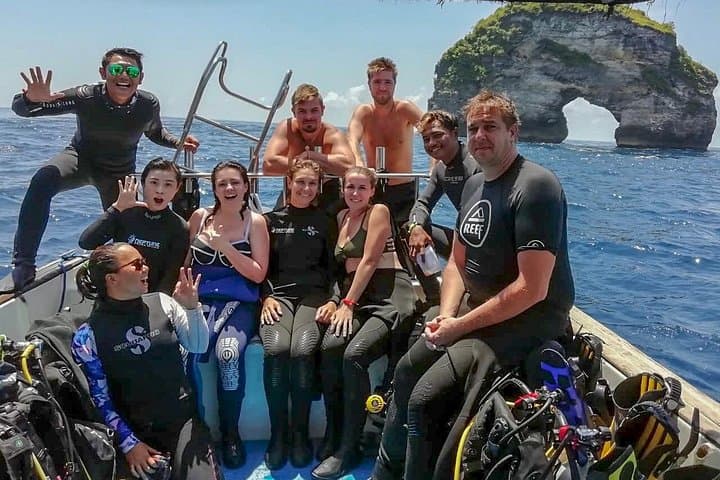
The day begins before dawn in Sanur, boarding a nimble speedboat that slices through glassy sea toward the ragged edge of Nusa Penida. Salt flecks your face, the boat's wake hums, and the guide points to a dark silhouette moving under the surface — a manta arriving like a slow, deliberate shadow.
Verified experiences and guided adventures in the surrounding area.
Operated by Neptune Scuba Diving · Nusa Penida, Bali
The day begins before dawn in Sanur, boarding a nimble speedboat that slices through glassy sea toward the ragged edge of Nusa Penida. Salt flecks your face, the boat's wake hums, and the guide points to a dark silhouette moving under the surface — a manta arriving like a slow, deliberate shadow.
Manta Point sits on the windward side of Nusa Penida, an island of uplifted limestone and volcanic outcrops that channels plankton-rich currents. Local fishing communities and small temples on Nusa Penida reflect a culture tied to the sea: offerings and rituals still mark important tides and seasons. Geologically, the island’s steep drop-offs and pinnacles create upwellings that attract giant plankton feeders; biologically, that means mantas most days and the occasional sunfish (mola mola) during the cooler, plankton-heavy months.
Practically, this is a day trip optimized for certified divers. Expect a 45-minute speedboat from Sanur, a group ratio commonly three divers to one guide, and options for two or three dives (three is recommended). Surface intervals are 45–60 minutes; bottom times typically 45–60 minutes depending on air consumption. Currents can be moderate to strong — good buoyancy control is essential. Bring your certification card, logbook, and a dive computer; the operator provides tanks, BCDs and regulators. Note medical screening, restrictions for certain health conditions, and the standard 24-hour no-fly recommendation after diving.
In short: it’s an accessible, high-reward marine outing — plan around visibility seasons, prep for boat time, and keep respectful distance from wildlife to protect both the encounter and the habitat.
moderate.
6 hours.
Suitable for divers with regular basic fitness; swimming ability and comfort in open ocean with currents required.
Yes. Minimum Open Water Diver certification or equivalent is mandatory; participants will be asked to present their certification and logbook.
The speedboat crossing is approximately 40–50 minutes each way, depending on sea conditions and type of boat used.
Manta rays are commonly seen year-round, with best visibility typically during the dry season (April–October); mola mola sightings increase in the cooler months, often July–October.
Operators commonly cancel for unsafe sea conditions; the booking policy usually offers a full refund if canceled at least 24 hours before departure or due to bad weather.
Nusa Penida has long been a traditional Balinese island with small fishing villages and sacred sites; reefs have supported local livelihoods for generations.
Manta populations benefit from local protection measures and dive etiquette; divers are asked not to touch wildlife or stand on reef to limit damage.
Neptune Scuba Diving operates guided outdoor trips and adventures with an emphasis on safety, stewardship, and memorable experiences.
The day begins before dawn in Sanur, boarding a nimble speedboat that slices through glassy sea toward the ragged edge of Nusa Penida. Salt flecks your face, the boat's wake hums, and the guide points to a dark silhouette moving under the surface — a manta arriving like a slow, deliberate shadow.
The day begins before dawn in Sanur, boarding a nimble speedboat that slices through glassy sea toward the ragged edge of Nusa Penida. Salt flecks your face, the boat's wake hums, and the guide points to a dark silhouette moving under the surface — a manta arriving like a slow, deliberate shadow.
Manta Point sits on the windward side of Nusa Penida, an island of uplifted limestone and volcanic outcrops that channels plankton-rich currents. Local fishing communities and small temples on Nusa Penida reflect a culture tied to the sea: offerings and rituals still mark important tides and seasons. Geologically, the island’s steep drop-offs and pinnacles create upwellings that attract giant plankton feeders; biologically, that means mantas most days and the occasional sunfish (mola mola) during the cooler, plankton-heavy months.
Practically, this is a day trip optimized for certified divers. Expect a 45-minute speedboat from Sanur, a group ratio commonly three divers to one guide, and options for two or three dives (three is recommended). Surface intervals are 45–60 minutes; bottom times typically 45–60 minutes depending on air consumption. Currents can be moderate to strong — good buoyancy control is essential. Bring your certification card, logbook, and a dive computer; the operator provides tanks, BCDs and regulators. Note medical screening, restrictions for certain health conditions, and the standard 24-hour no-fly recommendation after diving.
In short: it’s an accessible, high-reward marine outing — plan around visibility seasons, prep for boat time, and keep respectful distance from wildlife to protect both the encounter and the habitat.