THE ADVENTURE COLLECTIVE® · Independent discovery and booking for outdoor travel

Dive off Unawatuna to explore coral gardens and colonized wrecks along Sri Lanka’s southern coast. Expect two guided dives—macro-rich shallows and deeper wrecks—and encounters with turtles, schooling fish, and colorful critters.
Dive off Unawatuna to explore coral gardens and colonized wrecks along Sri Lanka’s southern coast. Expect two guided dives—macro-rich shallows and deeper wrecks—and encounters with turtles, schooling fish, and colorful critters.
Salted air and the steady slap of small boats set the scene before a dive in Unawatuna. Divers step from a wooden skiff into warm Indian Ocean water that immediately embraces and nudges them along reef edges where soft corals sway and schooling fish fold into curtains.
Verified experiences and guided adventures in the surrounding area.
Operated by ZRI Adventures · Unawatuna, Southern Province
Salted air and the steady slap of small boats set the scene before a dive in Unawatuna. Divers step from a wooden skiff into warm Indian Ocean water that immediately embraces and nudges them along reef edges where soft corals sway and schooling fish fold into curtains.
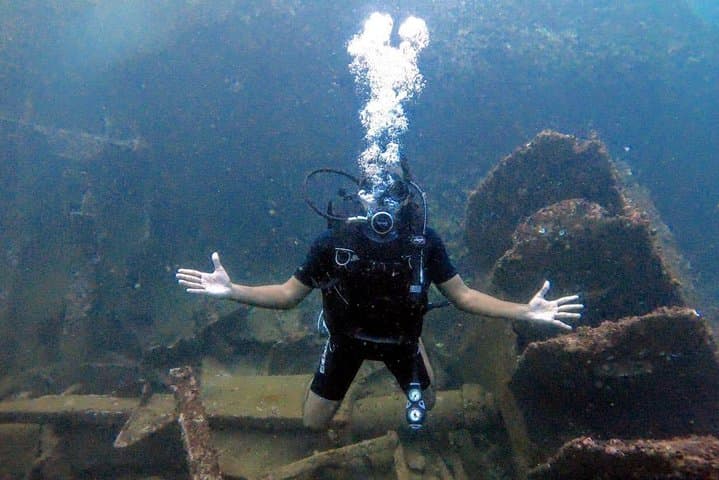
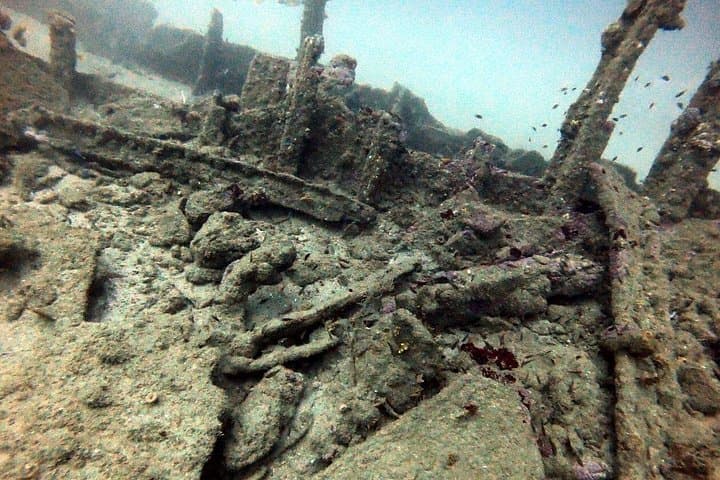
The stretch of coast near Unawatuna sits on old trade routes; colonial-era and wartime wrecks now lie overgrown with life, their beams colonized by sponges and crinoids. Geologically, the shelf here drops gently then steps into deeper basins, so sites range from shallow coral gardens to deeper wrecks that attract larger pelagics. The fishing villages and nearby Galle Fort add cultural texture—land-based markets supply the dive boats, and local guides share both seamanship and stories of past ship traffic.
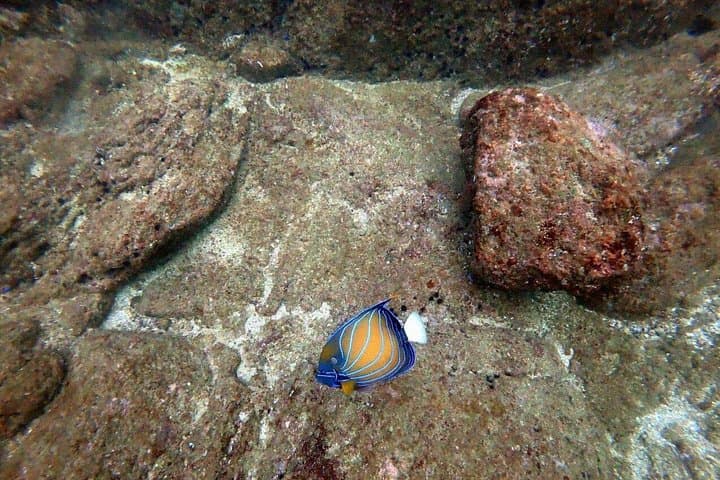
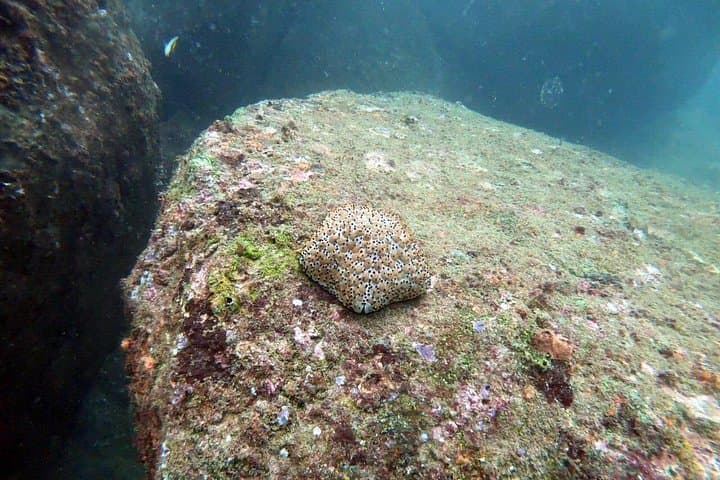
On a typical two-hour outing expect two dives from a small boat: a shallow reef or macro site and a deeper wreck or bommie. Visibility varies—often 10–20 meters—while currents can be mild to moderate, occasionally nudging divers along deeper runs. Encounters commonly include reef fish, nudibranchs, and green turtles; blue whales and large cetaceans are seasonal farther offshore.
Practical guidance: bring a logbook and reef‑safe sunscreen, check certification requirements in advance, and hydrate before surfacing. Plan dives in the morning for calmer seas and better light on reefs. Respect marine life—no touching corals or chasing creatures—and follow your guide’s safety brief.
moderate.
2 hours.
Moderate fitness; comfortable with short swims and carrying gear on/off small boats
Most operators prefer certified divers (Open Water). Some offer guided introductory dives—check the operator’s policy before booking.
Visibility commonly ranges 10–20 meters but varies with season, tide and recent weather—mornings tend to be clearest.
Children and pregnant people are usually restricted; operators may require medical clearance for cardiovascular or spinal conditions.
Typical trips include two dives from a small boat totaling about two hours in-water activity; surface intervals and transit add to total trip time.
Wrecks off the southern coast reflect centuries of Indian Ocean trade and colonial-era shipping; many are now artificial reefs supporting rich communities.
Local dive operators emphasize reef‑safe sunscreen, no‑touch policies and limited group sizes to minimize impact on delicate coral and wreck habitats.
ZRI Adventures operates guided outdoor trips and adventures with an emphasis on safety, stewardship, and memorable experiences.
Salted air and the steady slap of small boats set the scene before a dive in Unawatuna. Divers step from a wooden skiff into warm Indian Ocean water that immediately embraces and nudges them along reef edges where soft corals sway and schooling fish fold into curtains.
Salted air and the steady slap of small boats set the scene before a dive in Unawatuna. Divers step from a wooden skiff into warm Indian Ocean water that immediately embraces and nudges them along reef edges where soft corals sway and schooling fish fold into curtains.
The stretch of coast near Unawatuna sits on old trade routes; colonial-era and wartime wrecks now lie overgrown with life, their beams colonized by sponges and crinoids. Geologically, the shelf here drops gently then steps into deeper basins, so sites range from shallow coral gardens to deeper wrecks that attract larger pelagics. The fishing villages and nearby Galle Fort add cultural texture—land-based markets supply the dive boats, and local guides share both seamanship and stories of past ship traffic.
On a typical two-hour outing expect two dives from a small boat: a shallow reef or macro site and a deeper wreck or bommie. Visibility varies—often 10–20 meters—while currents can be mild to moderate, occasionally nudging divers along deeper runs. Encounters commonly include reef fish, nudibranchs, and green turtles; blue whales and large cetaceans are seasonal farther offshore.
Practical guidance: bring a logbook and reef‑safe sunscreen, check certification requirements in advance, and hydrate before surfacing. Plan dives in the morning for calmer seas and better light on reefs. Respect marine life—no touching corals or chasing creatures—and follow your guide’s safety brief.