THE ADVENTURE COLLECTIVE® · Independent discovery and booking for outdoor travel

Discover scuba diving off Sri Lanka’s east coast where clear water, coral bommies and accessible wrecks make Trincomalee a compelling dive base. This guide covers what to expect in the water and how to prepare for a safe, rewarding dive.
Discover scuba diving off Sri Lanka’s east coast where clear water, coral bommies and accessible wrecks make Trincomalee a compelling dive base. This guide covers what to expect in the water and how to prepare for a safe, rewarding dive.
You step off the skiff and the Indian Ocean takes your breath in a way only saltwater can — cool, steady, and alive. Off the coast of Trincomalee the water opens into a cathedral of blue where coral plates fan out and reef fish quarrel in bright crowds. Currents here can feel like a patient hand guiding you past bommies and walls, while occasional wrecks lie quiet, inviting a careful approach.
Verified experiences and guided adventures in the surrounding area.
Operated by Travceylon Leisure · Trincomalee, Eastern Province
You step off the skiff and the Indian Ocean takes your breath in a way only saltwater can — cool, steady, and alive. Off the coast of Trincomalee the water opens into a cathedral of blue where coral plates fan out and reef fish quarrel in bright crowds. Currents here can feel like a patient hand guiding you past bommies and walls, while occasional wrecks lie quiet, inviting a careful approach.
This strip of Sri Lanka’s eastern coast carries a layered history: Portuguese and Dutch trading posts, a British-era harbor, and a fishing culture that still dominates the shoreline. Geologically it’s shaped by the shallow continental shelf; visibility often stretches far because the seabed drops away gradually rather than abruptly. Local dive operators run short, private trips from calm, rustic beaches close to the busy port, balancing city amenities with a surprisingly tranquil launch point.
Practical guidance is straightforward. Expect two-hour outings for single dives; certified divers can join regular reef and wreck dives, while beginners can take a Discover Scuba session under direct supervision. Water temperatures hover in the high 20s°C—think thin wetsuit or rashguard—and visibility ranges widely with season and swell. Be ready for variable currents; neutral buoyancy and measured breathing are your best tools.
Check tide and wind forecasts, carry reef-safe sunscreen, and arrive with basic medical information for staff. Whether you’re here for colorful reef life, macro critters, or a quiet wreck, Trincomalee delivers clear water, approachable dive sites, and a friendly local scene that rewards respectful divers.
moderate.
2 hours.
Moderate fitness — comfortable swimming and the ability to follow dive briefings and safety procedures.
Certified divers can join daily trips; non-certified travelers can usually book a Discover Scuba experience under direct instructor supervision.
The east coast is clearest and calmest roughly April–September; monsoon seasons can reduce visibility and increase swell.
Some sites have moderate currents—dives are site-specific and guides will plan drift-safe routes or choose sheltered reefs when necessary.
Yes; expect colorful reef fish, macro critters, and occasional larger visitors like rays and reef sharks depending on site and season.
Trincomalee’s harbor has been a strategic port for centuries, hosting colonial powers and long-standing fishing communities that shaped local coastal culture.
Respect reef rules: do not touch coral, use reef-safe sunscreen, and follow guide instructions to limit anchor and fin contact with sensitive habitats.
Travceylon Leisure operates guided outdoor trips and adventures with an emphasis on safety, stewardship, and memorable experiences.
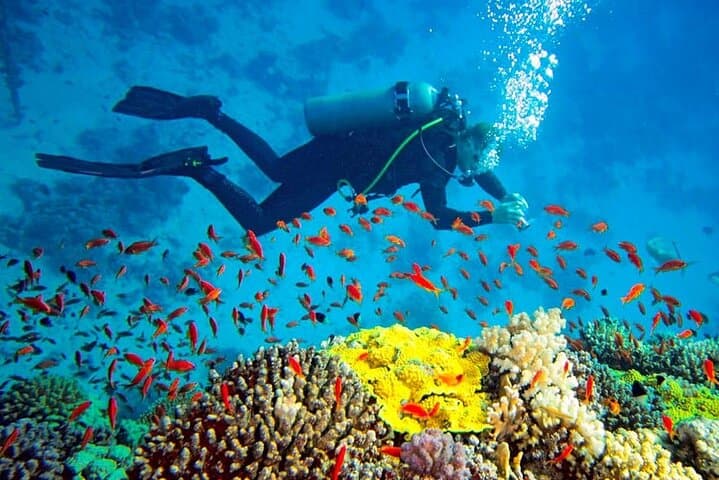
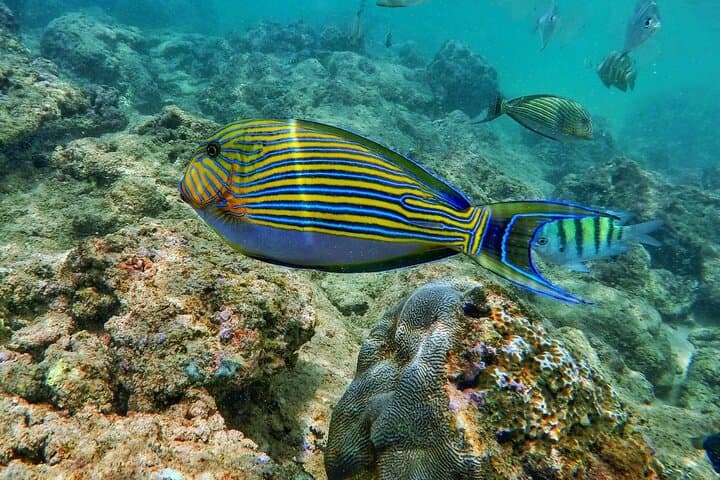
You step off the skiff and the Indian Ocean takes your breath in a way only saltwater can — cool, steady, and alive. Off the coast of Trincomalee the water opens into a cathedral of blue where coral plates fan out and reef fish quarrel in bright crowds. Currents here can feel like a patient hand guiding you past bommies and walls, while occasional wrecks lie quiet, inviting a careful approach.
You step off the skiff and the Indian Ocean takes your breath in a way only saltwater can — cool, steady, and alive. Off the coast of Trincomalee the water opens into a cathedral of blue where coral plates fan out and reef fish quarrel in bright crowds. Currents here can feel like a patient hand guiding you past bommies and walls, while occasional wrecks lie quiet, inviting a careful approach.
This strip of Sri Lanka’s eastern coast carries a layered history: Portuguese and Dutch trading posts, a British-era harbor, and a fishing culture that still dominates the shoreline. Geologically it’s shaped by the shallow continental shelf; visibility often stretches far because the seabed drops away gradually rather than abruptly. Local dive operators run short, private trips from calm, rustic beaches close to the busy port, balancing city amenities with a surprisingly tranquil launch point.
Practical guidance is straightforward. Expect two-hour outings for single dives; certified divers can join regular reef and wreck dives, while beginners can take a Discover Scuba session under direct supervision. Water temperatures hover in the high 20s°C—think thin wetsuit or rashguard—and visibility ranges widely with season and swell. Be ready for variable currents; neutral buoyancy and measured breathing are your best tools.
Check tide and wind forecasts, carry reef-safe sunscreen, and arrive with basic medical information for staff. Whether you’re here for colorful reef life, macro critters, or a quiet wreck, Trincomalee delivers clear water, approachable dive sites, and a friendly local scene that rewards respectful divers.