THE ADVENTURE COLLECTIVE® · Independent discovery and booking for outdoor travel

Swap the harbor noise for a blue horizon and explore coral reefs, walls, and wrecks off Sri Lanka’s east coast. This two-hour scuba outing from Trincomalee suits certified divers and beginners on guided programs—expect strong local currents, good visibility in season, and abundant marine life.
Swap the harbor noise for a blue horizon and explore coral reefs, walls, and wrecks off Sri Lanka’s east coast. This two-hour scuba outing from Trincomalee suits certified divers and beginners on guided programs—expect strong local currents, good visibility in season, and abundant marine life.
The boat slips away from the busy harbor and the city’s engines give way to the quiet of open water. Salt air tightens your focus, and beneath the surface the reef waits—pale corals, ribbon-like sea fans, and the slow ballet of reef fish. Currents here can tease and push you toward dramatic drop-offs where the seabed falls away into blue.
Verified experiences and guided adventures in the surrounding area.
Operated by Lakpura LLC · Trincomalee, Eastern Province
The boat slips away from the busy harbor and the city’s engines give way to the quiet of open water. Salt air tightens your focus, and beneath the surface the reef waits—pale corals, ribbon-like sea fans, and the slow ballet of reef fish. Currents here can tease and push you toward dramatic drop-offs where the seabed falls away into blue.
Trincomalee sits on one of the world’s few natural deep-water harbors; its coastline is shaped by volcanic rock and ancient coral growth that create ledges, bommies, and sheltered bays. The region’s strategic harbor has drawn fishermen, traders, and colonial powers for centuries, and the coastal villages still echo that layered history in language and food.
Diving around Trincomalee ranges from shallow reef dives to deeper wall and wreck sites, with visibility often excellent in the dry months and a chance to encounter turtles, reef sharks, and colorful tropical fish. Local operators offer guided two-hour excursions, daily certified dives, and introductory programs for beginners.
Practical notes: expect a roughly two-hour outing from briefing to return; bring a shorty wetsuit in cooler months and a dive computer for precise bottom-time management. Surface conditions change with the monsoons—plan dives on calm mornings and follow the guide’s advice on currents and ascent profiles. Hydrate before boarding, secure your gear, and practice neutral buoyancy; the reef is fragile and rewards careful buoyancy as much as curiosity.
challenging.
2 hours.
Should be in good physical condition: comfortable swimming, able to carry or wear gear, and tolerate surface conditions.
No—Discover Scuba programs let non-certified guests do a guided shallow dive; certified divers should present their certification card for open water dives.
The main diving season is generally May–September when seas are calmer and visibility is at its best; operators run trips year-round but conditions vary.
Common sightings include reef fish, sea turtles, rays, and occasional reef sharks; sightings depend on season and site.
Some sites have noticeable currents and steep drop-offs—guides choose sites to match experience levels and will brief on exit techniques and safety stops.
Trincomalee’s natural deep-water harbor has been a strategic port for centuries, shaping a coastal culture tied to fishing and maritime trade.
Local operators encourage reef-safe practices and restricted anchoring to protect coral; divers should avoid touching or feeding marine life to maintain ecosystem health.
Lakpura LLC operates guided outdoor trips and adventures with an emphasis on safety, stewardship, and memorable experiences.
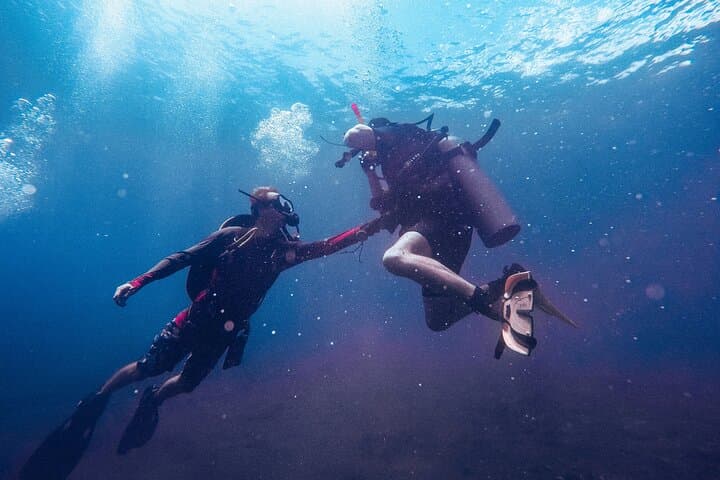
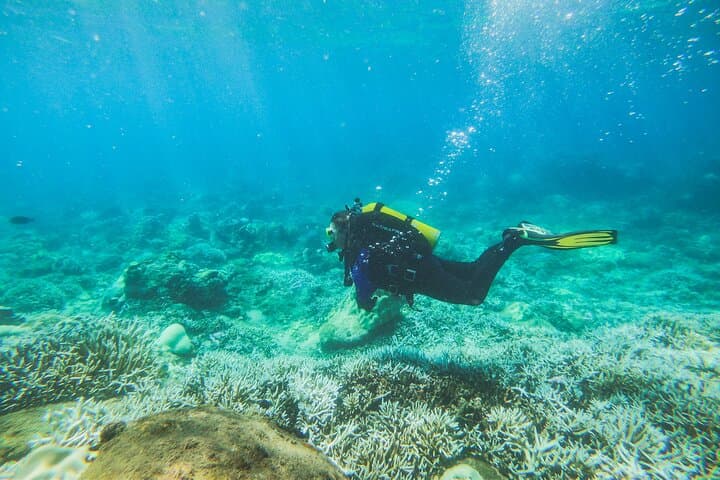
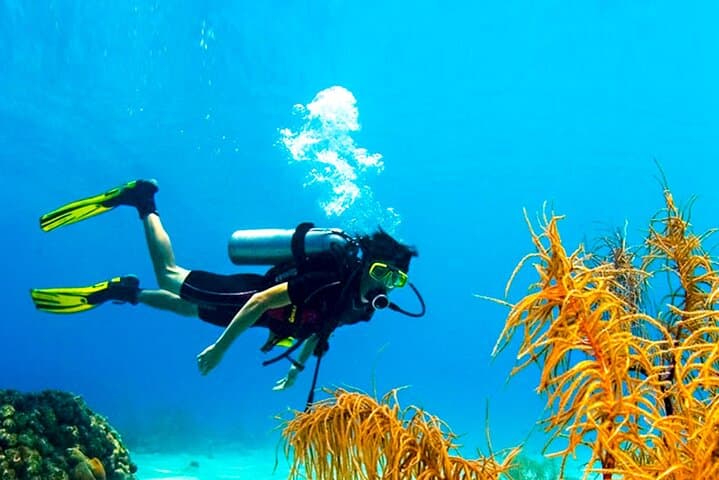
The boat slips away from the busy harbor and the city’s engines give way to the quiet of open water. Salt air tightens your focus, and beneath the surface the reef waits—pale corals, ribbon-like sea fans, and the slow ballet of reef fish. Currents here can tease and push you toward dramatic drop-offs where the seabed falls away into blue.
The boat slips away from the busy harbor and the city’s engines give way to the quiet of open water. Salt air tightens your focus, and beneath the surface the reef waits—pale corals, ribbon-like sea fans, and the slow ballet of reef fish. Currents here can tease and push you toward dramatic drop-offs where the seabed falls away into blue.
Trincomalee sits on one of the world’s few natural deep-water harbors; its coastline is shaped by volcanic rock and ancient coral growth that create ledges, bommies, and sheltered bays. The region’s strategic harbor has drawn fishermen, traders, and colonial powers for centuries, and the coastal villages still echo that layered history in language and food.
Diving around Trincomalee ranges from shallow reef dives to deeper wall and wreck sites, with visibility often excellent in the dry months and a chance to encounter turtles, reef sharks, and colorful tropical fish. Local operators offer guided two-hour excursions, daily certified dives, and introductory programs for beginners.
Practical notes: expect a roughly two-hour outing from briefing to return; bring a shorty wetsuit in cooler months and a dive computer for precise bottom-time management. Surface conditions change with the monsoons—plan dives on calm mornings and follow the guide’s advice on currents and ascent profiles. Hydrate before boarding, secure your gear, and practice neutral buoyancy; the reef is fragile and rewards careful buoyancy as much as curiosity.