THE ADVENTURE COLLECTIVE® · Independent discovery and booking for outdoor travel

Dive into the cold, nutrient-rich waters off Paracas to meet sea lions and Humboldt penguins on shallow, beginner-friendly dives. This guide explains what to expect from sites, logistics, and how to prepare for changing visibility and currents.
Dive into the cold, nutrient-rich waters off Paracas to meet sea lions and Humboldt penguins on shallow, beginner-friendly dives. This guide explains what to expect from sites, logistics, and how to prepare for changing visibility and currents.
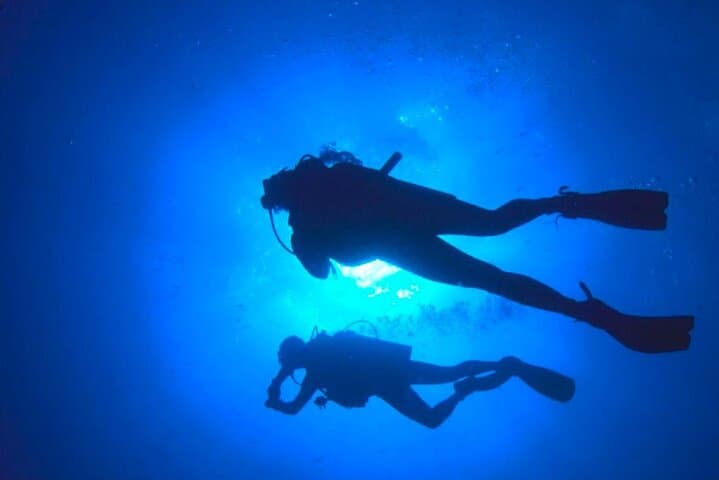
The air tastes of salt and diesel as the small dive boat slips away from Paracas’ rocky headland. Under a low sun the water goes from teal to deep blue; on the surface, guano-streaked cliffs and a band of flighty seabirds mark where currents meet coastal shelves. Descending from a calm entry beach or a short boat run, divers feel the Pacific take them—cool, clear and alive.
Verified experiences and guided adventures in the surrounding area.
Operated by IZI PERU · Paracas, Ica
The air tastes of salt and diesel as the small dive boat slips away from Paracas’ rocky headland. Under a low sun the water goes from teal to deep blue; on the surface, guano-streaked cliffs and a band of flighty seabirds mark where currents meet coastal shelves. Descending from a calm entry beach or a short boat run, divers feel the Pacific take them—cool, clear and alive.
Paracas sits at the edge of the Humboldt Current system, a cold, nutrient-rich flow that has shaped local fishing cultures and carved the coastal cliffs for millennia. Geologically young sandstones and guano-formed terraces surround the bay; culturally, the port has long been a staging point between Lima and the Ballestas Islands. Marine life here includes sea lions, Humboldt penguins, schooling fish and an array of invertebrates adapted to the upwelling-fed waters.
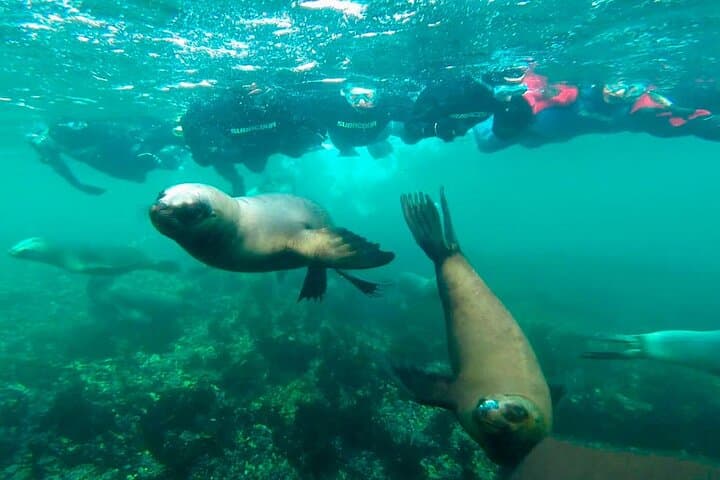
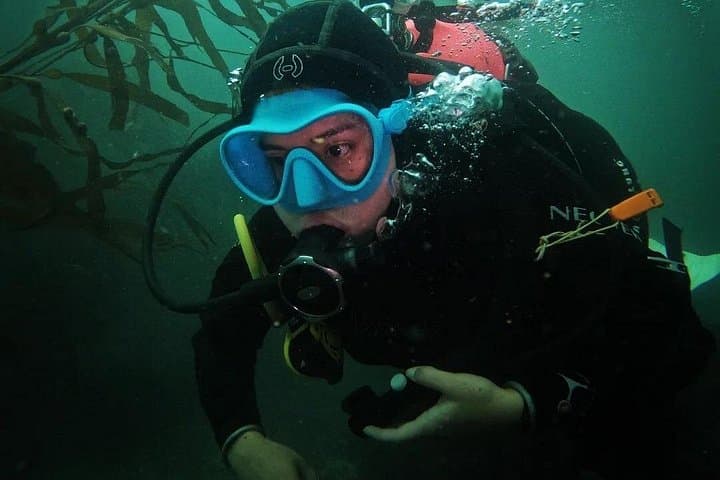
The typical discovery dive is shallow (6–8 m), making it well suited to beginners while offering certified divers the option to boat out for deeper sites. Expect sandy bottoms, kelp patches, and close encounters with curious sea lions when conditions permit. Practical notes: bring a thermal layer for boat rides, drink water before diving to reduce risk of dehydration, and stagger surface intervals if doing multiple dives. Visibility varies—plan for 5–15 m depending on tides and wind.
Book with operators who provide full kit and a PADI-certified guide. Aim for morning slots when wind is lighter; current and swell can change sites between La Mina, Lagunilla or Mendieta. Respect marine wildlife—keep distance, avoid touching substrates, and follow guide briefings to preserve this productive stretch of Peru’s coast.
moderate.
3 hours.
Suitable for people with basic swimming ability and reasonable mobility; beginners are accepted for discovery dives.
No—this operator offers discovery dives with full instruction and a PADI-certified guide; certified divers can join boat dives if chosen.
Water is cool (often 12–18°C depending on season) with visibility commonly 5–15 m; conditions depend on upwelling and wind.
Discovery dives are shallow (around 6–8 m) and suited to confident swimmers; age and medical restrictions may apply—check operator guidelines.
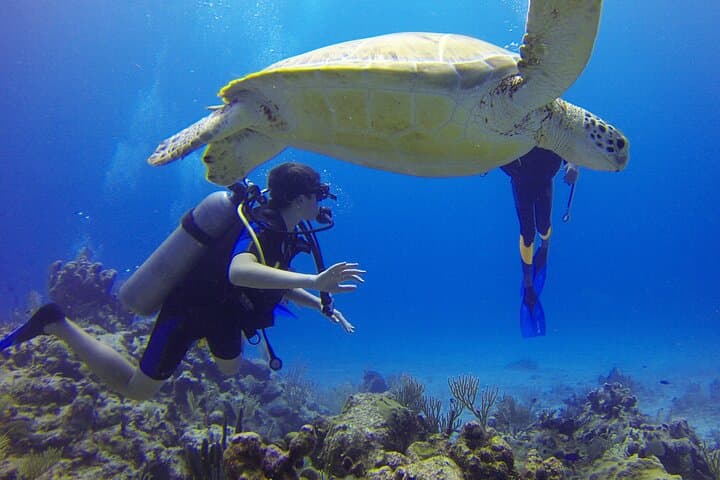
Common sightings include sea lions, Humboldt penguins, schooling fish, nudibranchs and occasional larger pelagics near deeper spots.
Paracas has been a maritime staging point since pre-Columbian times; the modern town grew with guano and fishing industries tied to the productive Humboldt Current.
Local operators encourage no-touch protocols and limit boat groups to avoid disturbance; use reef-safe sunscreen and follow guide rules to reduce impact.
IZI PERU operates guided outdoor trips and adventures with an emphasis on safety, stewardship, and memorable experiences.
The air tastes of salt and diesel as the small dive boat slips away from Paracas’ rocky headland. Under a low sun the water goes from teal to deep blue; on the surface, guano-streaked cliffs and a band of flighty seabirds mark where currents meet coastal shelves. Descending from a calm entry beach or a short boat run, divers feel the Pacific take them—cool, clear and alive.
The air tastes of salt and diesel as the small dive boat slips away from Paracas’ rocky headland. Under a low sun the water goes from teal to deep blue; on the surface, guano-streaked cliffs and a band of flighty seabirds mark where currents meet coastal shelves. Descending from a calm entry beach or a short boat run, divers feel the Pacific take them—cool, clear and alive.
Paracas sits at the edge of the Humboldt Current system, a cold, nutrient-rich flow that has shaped local fishing cultures and carved the coastal cliffs for millennia. Geologically young sandstones and guano-formed terraces surround the bay; culturally, the port has long been a staging point between Lima and the Ballestas Islands. Marine life here includes sea lions, Humboldt penguins, schooling fish and an array of invertebrates adapted to the upwelling-fed waters.
The typical discovery dive is shallow (6–8 m), making it well suited to beginners while offering certified divers the option to boat out for deeper sites. Expect sandy bottoms, kelp patches, and close encounters with curious sea lions when conditions permit. Practical notes: bring a thermal layer for boat rides, drink water before diving to reduce risk of dehydration, and stagger surface intervals if doing multiple dives. Visibility varies—plan for 5–15 m depending on tides and wind.
Book with operators who provide full kit and a PADI-certified guide. Aim for morning slots when wind is lighter; current and swell can change sites between La Mina, Lagunilla or Mendieta. Respect marine wildlife—keep distance, avoid touching substrates, and follow guide briefings to preserve this productive stretch of Peru’s coast.