THE ADVENTURE COLLECTIVE® · Independent discovery and booking for outdoor travel

Board a short boat from Muscat and descend to rocky pinnacles, patch reefs, and occasional turtle encounters. This half-day scuba outing pairs expert briefings with accessible dive sites ideal for first-time and confident divers alike.
Board a short boat from Muscat and descend to rocky pinnacles, patch reefs, and occasional turtle encounters. This half-day scuba outing pairs expert briefings with accessible dive sites ideal for first-time and confident divers alike.
The boat slips free from Muscat’s port and the light slants across warm water; the city’s low hills fall away and an expanse of blue opens. Onboard, instructors move through kit with practiced calm, fitting masks and checking regulators while the sea ahead promises reef walls, bommies, and the slow silhouette of a turtle.
Verified experiences and guided adventures in the surrounding area.
Operated by Yousuf Almaqbali · Muscat, Muscat Governorate
The boat slips free from Muscat’s port and the light slants across warm water; the city’s low hills fall away and an expanse of blue opens. Onboard, instructors move through kit with practiced calm, fitting masks and checking regulators while the sea ahead promises reef walls, bommies, and the slow silhouette of a turtle.
Oman’s coastline sits where the Arabian Sea meets the Gulf of Oman—geology shaped by faulted limestone and volcanic outcrops that create ledges and swim-throughs. Muscat’s shores have long been waypoints for traders and fishermen; today those same waters host a mix of traditional dhows and dive boats, and local communities remain tied to the sea for food and livelihood.
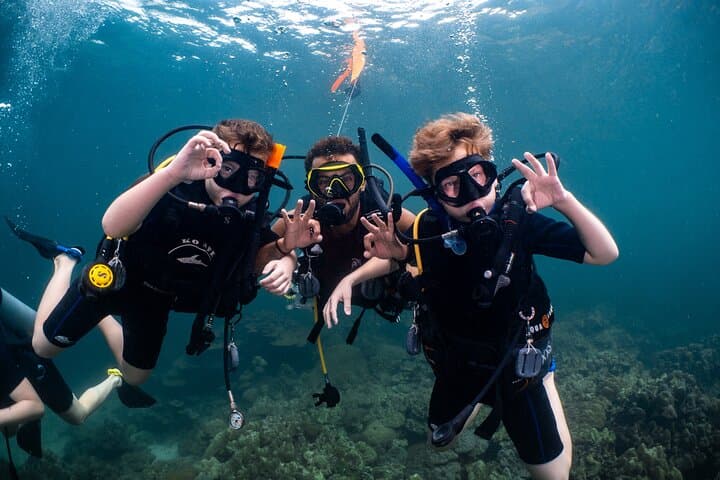
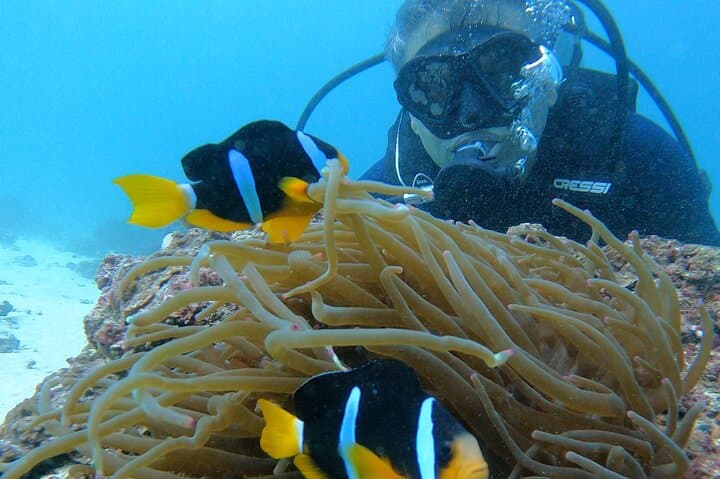
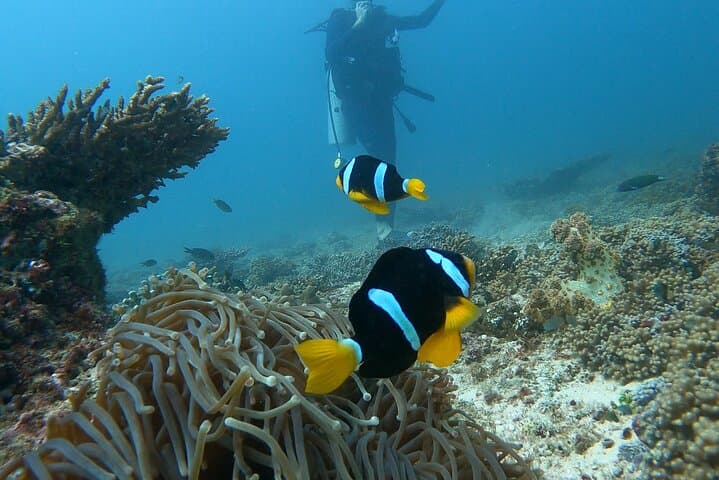
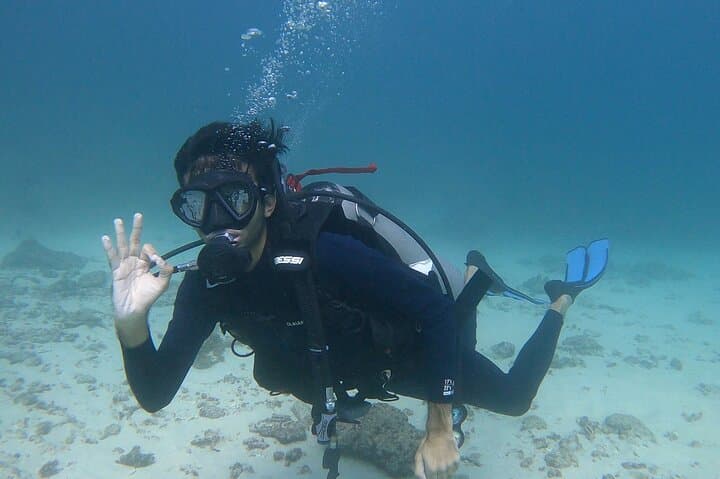
Expect compact, guided dives rather than long boat crossings: prime sites near Muscat feature patch reefs, rocky pinnacles, and clear walls populated by fusiliers, parrotfish, and hawksbill or green turtles. Visibility commonly ranges from good to excellent depending on season and currents; dive teams often include photography services and explain hand signals, buddy checks, and equalization techniques before every descent.
Practically, arrive hydrated, with sun protection and swimwear under lightweight clothing. Briefings cover emergency procedures and basic signals, so even first-timers who meet health and swimming requirements can join discover dives. Plan for a half-day outing—boarding, two dives, and returns fit neatly into a four-hour window. Respect local rules: refrain from touching coral, remove plastics from pockets, and follow instructor guidance at all times. Muscat diving is an accessible way to meet the Arabian Sea’s quieter reefs—rewarding, immediate, and best approached with steady breathing and curiosity.
moderate.
4 hours.
Should be comfortable in the water and able to swim short distances; good cardiovascular health helps with equalization and surface swims.
Introductory or "discover" dives typically allow non-certified divers to participate under instructor supervision; check operator requirements and health waivers.
Water ranges roughly 24–30°C depending on season; visibility is often 10–25 meters but can vary with currents and plankton blooms.
Most half-day outings include one to two guided dives with boat transfers, gearing fits, and a pre-dive briefing.
Age limits vary by operator—minors often require parental consent and may be limited to shallow introductory experiences; confirm before booking.
Muscat’s maritime history stretches back centuries as a trading port; local fishing communities and dhows are still part of coastal life and influence dive-site access.
Operators in Muscat increasingly follow reef-friendly practices—avoid touching coral, pick up litter, and choose providers that support local conservation and waste reduction.
Yousuf Almaqbali operates guided outdoor trips and adventures with an emphasis on safety, stewardship, and memorable experiences.
The boat slips free from Muscat’s port and the light slants across warm water; the city’s low hills fall away and an expanse of blue opens. Onboard, instructors move through kit with practiced calm, fitting masks and checking regulators while the sea ahead promises reef walls, bommies, and the slow silhouette of a turtle.
The boat slips free from Muscat’s port and the light slants across warm water; the city’s low hills fall away and an expanse of blue opens. Onboard, instructors move through kit with practiced calm, fitting masks and checking regulators while the sea ahead promises reef walls, bommies, and the slow silhouette of a turtle.
Oman’s coastline sits where the Arabian Sea meets the Gulf of Oman—geology shaped by faulted limestone and volcanic outcrops that create ledges and swim-throughs. Muscat’s shores have long been waypoints for traders and fishermen; today those same waters host a mix of traditional dhows and dive boats, and local communities remain tied to the sea for food and livelihood.
Expect compact, guided dives rather than long boat crossings: prime sites near Muscat feature patch reefs, rocky pinnacles, and clear walls populated by fusiliers, parrotfish, and hawksbill or green turtles. Visibility commonly ranges from good to excellent depending on season and currents; dive teams often include photography services and explain hand signals, buddy checks, and equalization techniques before every descent.
Practically, arrive hydrated, with sun protection and swimwear under lightweight clothing. Briefings cover emergency procedures and basic signals, so even first-timers who meet health and swimming requirements can join discover dives. Plan for a half-day outing—boarding, two dives, and returns fit neatly into a four-hour window. Respect local rules: refrain from touching coral, remove plastics from pockets, and follow instructor guidance at all times. Muscat diving is an accessible way to meet the Arabian Sea’s quieter reefs—rewarding, immediate, and best approached with steady breathing and curiosity.