THE ADVENTURE COLLECTIVE® · Independent discovery and booking for outdoor travel

Go beyond the shoreline of Sri Lanka’s Kalpitiya peninsula to explore wrecks, coral bommies and regular dolphin encounters. This guided 5‑hour scuba outing pairs easy boat runs with rich marine life and clear seasonal windows for best visibility.
Go beyond the shoreline of Sri Lanka’s Kalpitiya peninsula to explore wrecks, coral bommies and regular dolphin encounters. This guided 5‑hour scuba outing pairs easy boat runs with rich marine life and clear seasonal windows for best visibility.
The boat slips off the sandbank before dawn and the sea opens like an invitation — cool, glassy, and already busy with birds. You step aboard as the light comes up over the low islands of Kalpitiya, and the engine’s steady hum becomes the tempo for a day of exploring wrecks, coral bommies and ribbon reefs where dolphins cut through the surface like bright punctuation.
Verified experiences and guided adventures in the surrounding area.
Operated by ZRI Adventures · Kalpitiya, Puttalam District
The boat slips off the sandbank before dawn and the sea opens like an invitation — cool, glassy, and already busy with birds. You step aboard as the light comes up over the low islands of Kalpitiya, and the engine’s steady hum becomes the tempo for a day of exploring wrecks, coral bommies and ribbon reefs where dolphins cut through the surface like bright punctuation.
Geology here is straightforward: a shallow continental shelf dotted with islands and reefs that capture warm Indian Ocean currents, encouraging soft corals and dense schools of fish. The archipelago has long supported fishing communities; colonial-era trade and the accidental graves of ships left wrecks that now host macro life and schooling predators. Culturally, Kalpitiya mixes Tamil and Sinhalese fishing traditions with a growing dive industry and kite-surfing camps along the peninsula.
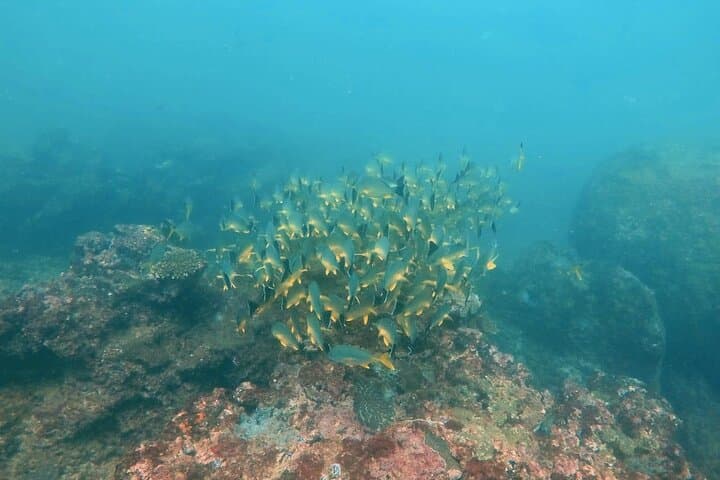
On a typical trip expect a 4–5 hour outing: a short boat transfer, two guided dives and surface intervals on a sandbank or island. Visibility often ranges 10–25 m in the calmer months, water temps sit near 26–29°C, and currents are usually mild but can push near reef edges. Guides point out nudibranchs, anemonefish, turtles and massive schools around wrecks; cetacean sightings are common offshore.
Practical edge: arrive hydrated, eat light, and pack reef-safe sunscreen and a light wetsuit or rashguard. Clear your ears on descent, follow the buddy system, and plan morning slots when seas are calmest. Operators provide tanks and basic gear, but bring your certification card if you’re certified and confirm weight limits and age rules before booking.
moderate.
5 hours.
Comfortable basic fitness and ability to swim; suitable for beginners on guided dives but expect short boat transfers and surface swims.
Many operators run guided dives for certified divers and introductory "try dives" for beginners under instructor supervision; check with the operator about depth limits and whether you’ll dive with an instructor.
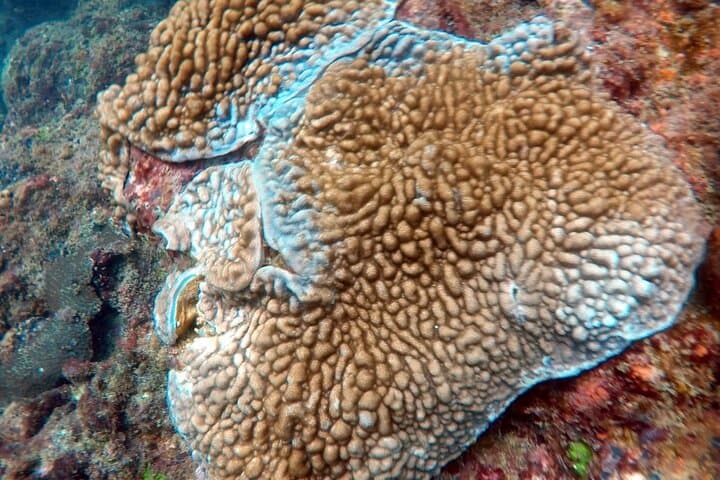
Common sightings include reef fish, soft corals, nudibranchs, sea turtles, and inshore dolphin species; offshore trips can encounter larger cetaceans during season.
Typical dives range from 10–30 m depending on the site; visibility averages 10–25 m in the calm season but can drop during monsoon or after heavy rain.
Operators typically set minimum age limits for scuba (often 12+ for junior programs) and ask for passenger weights for trim and safety; confirm specifics when booking.
Kalpitiya’s islands have supported fishing communities for centuries; colonial trade routes and ship losses offshore have left wrecks that now form marine habitat.
Local operators emphasize reef-friendly practices and many support community-based conservation; avoid touching corals, use reef-safe sunscreen, and follow guide instructions to minimize impact.
ZRI Adventures operates guided outdoor trips and adventures with an emphasis on safety, stewardship, and memorable experiences.


The boat slips off the sandbank before dawn and the sea opens like an invitation — cool, glassy, and already busy with birds. You step aboard as the light comes up over the low islands of Kalpitiya, and the engine’s steady hum becomes the tempo for a day of exploring wrecks, coral bommies and ribbon reefs where dolphins cut through the surface like bright punctuation.
The boat slips off the sandbank before dawn and the sea opens like an invitation — cool, glassy, and already busy with birds. You step aboard as the light comes up over the low islands of Kalpitiya, and the engine’s steady hum becomes the tempo for a day of exploring wrecks, coral bommies and ribbon reefs where dolphins cut through the surface like bright punctuation.
Geology here is straightforward: a shallow continental shelf dotted with islands and reefs that capture warm Indian Ocean currents, encouraging soft corals and dense schools of fish. The archipelago has long supported fishing communities; colonial-era trade and the accidental graves of ships left wrecks that now host macro life and schooling predators. Culturally, Kalpitiya mixes Tamil and Sinhalese fishing traditions with a growing dive industry and kite-surfing camps along the peninsula.
On a typical trip expect a 4–5 hour outing: a short boat transfer, two guided dives and surface intervals on a sandbank or island. Visibility often ranges 10–25 m in the calmer months, water temps sit near 26–29°C, and currents are usually mild but can push near reef edges. Guides point out nudibranchs, anemonefish, turtles and massive schools around wrecks; cetacean sightings are common offshore.
Practical edge: arrive hydrated, eat light, and pack reef-safe sunscreen and a light wetsuit or rashguard. Clear your ears on descent, follow the buddy system, and plan morning slots when seas are calmest. Operators provide tanks and basic gear, but bring your certification card if you’re certified and confirm weight limits and age rules before booking.