THE ADVENTURE COLLECTIVE® · Independent discovery and booking for outdoor travel

Explore Boracay’s vibrant fringing reefs on guided dives designed for certified divers. This concise guide covers what to expect from conditions, marine life, and practical prep for a three-hour dive outing.
Explore Boracay’s vibrant fringing reefs on guided dives designed for certified divers. This concise guide covers what to expect from conditions, marine life, and practical prep for a three-hour dive outing.
The boat idles off a white-sand shore as sunlight threads through green water; the island’s low rim—7 kilometers long and 1 kilometer wide—keeps the sea interesting: sheltered lagoons and exposed reef edges that push you into the blue. Boracay sits about 345 kilometers south of Manila in Aklan province, where fishing villages gave way to tourism but the reef remains the real calling card.
Verified experiences and guided adventures in the surrounding area.
Operated by CTPH TOUR · Boracay (Malay), Aklan
The boat idles off a white-sand shore as sunlight threads through green water; the island’s low rim—7 kilometers long and 1 kilometer wide—keeps the sea interesting: sheltered lagoons and exposed reef edges that push you into the blue. Boracay sits about 345 kilometers south of Manila in Aklan province, where fishing villages gave way to tourism but the reef remains the real calling card.
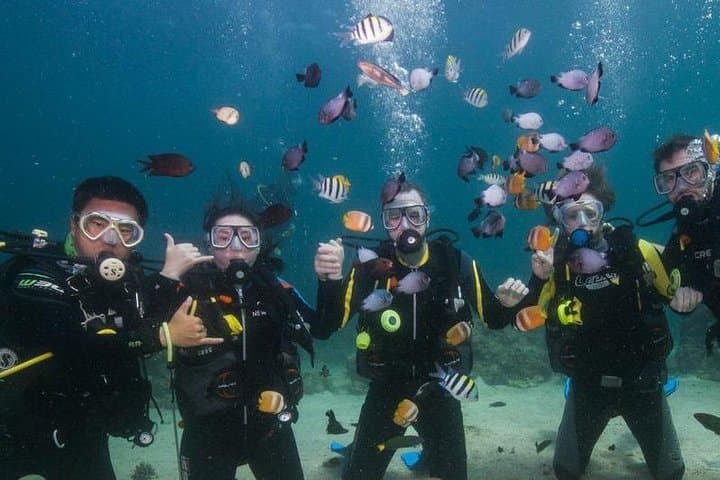
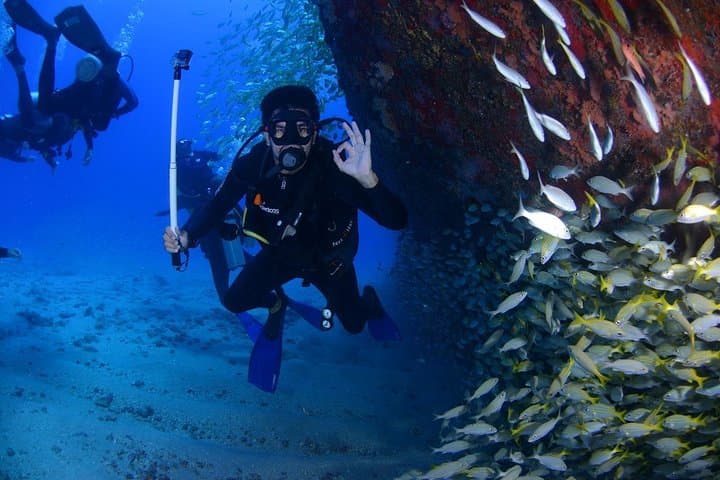
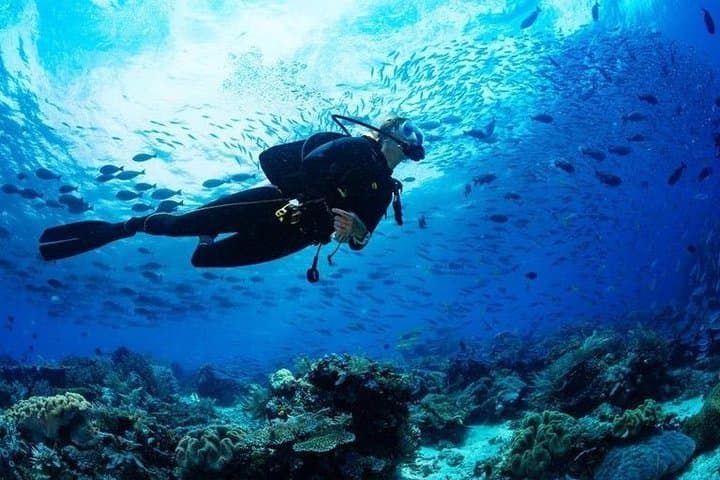
Geology here is simple and visible: coral and shell sand form the beaches while fringing reefs and bommies drop into clearer channels. Local culture reflects a seafaring past; many dive crews are second-generation fishers who read current and tide the way others read maps. Expect dives that highlight hard and soft corals, steep walls, and scattered bommies with rich micro-life.
Practically: these trips are for certified divers only and typically run about three hours from meeting to return. Water temperatures average 26–30°C; visibility commonly ranges 8–20 meters depending on season and rain. Currents can be present—especially on exposed sites—so plan for drift-style entries and strong buddy checks.
Bring your certification card, a reliable dive computer, and a reef‑safe sunscreen; operators usually supply tanks and basic gear, but personal masks and computers are worth packing. Hydrate before boarding and time dives with slack tide when possible. Above water, sample local seafood in Malay and support operators who practice no-touch diving and coral-safe anchoring. Below the surface, the reef will demand attention—small, deliberate movements reveal turtles, nudibranchs, and schooling fish that make Boracay diving quietly unforgettable.
moderate.
3 hours.
Operators note a high level of fitness is recommended—be comfortable with repeated gear handling, surface swims, and currents.
Yes—these dives are for certified recreational divers only; bring your certification card and recent log entries if asked.
Typical dive profiles are within recreational limits, often between 8–30 meters; visibility commonly ranges from 8–20 meters depending on weather and season.
Many operators include tanks and basic gear, but personal items like masks, computers, and boots are recommended for fit and hygiene.
Monsoon months bring more rain and reduced visibility; the dry season usually offers calmer seas and better visibility—check local forecasts before booking.
Boracay was a small fishing community in Aklan before tourism expanded in the late 20th century; many dive guides come from families with deep local sea knowledge.
Support operators that use mooring buoys, practice no‑take diving, and promote reef‑safe sunscreens to reduce anchor and chemical damage to coral.
CTPH TOUR operates guided outdoor trips and adventures with an emphasis on safety, stewardship, and memorable experiences.
The boat idles off a white-sand shore as sunlight threads through green water; the island’s low rim—7 kilometers long and 1 kilometer wide—keeps the sea interesting: sheltered lagoons and exposed reef edges that push you into the blue. Boracay sits about 345 kilometers south of Manila in Aklan province, where fishing villages gave way to tourism but the reef remains the real calling card.
The boat idles off a white-sand shore as sunlight threads through green water; the island’s low rim—7 kilometers long and 1 kilometer wide—keeps the sea interesting: sheltered lagoons and exposed reef edges that push you into the blue. Boracay sits about 345 kilometers south of Manila in Aklan province, where fishing villages gave way to tourism but the reef remains the real calling card.
Geology here is simple and visible: coral and shell sand form the beaches while fringing reefs and bommies drop into clearer channels. Local culture reflects a seafaring past; many dive crews are second-generation fishers who read current and tide the way others read maps. Expect dives that highlight hard and soft corals, steep walls, and scattered bommies with rich micro-life.
Practically: these trips are for certified divers only and typically run about three hours from meeting to return. Water temperatures average 26–30°C; visibility commonly ranges 8–20 meters depending on season and rain. Currents can be present—especially on exposed sites—so plan for drift-style entries and strong buddy checks.
Bring your certification card, a reliable dive computer, and a reef‑safe sunscreen; operators usually supply tanks and basic gear, but personal masks and computers are worth packing. Hydrate before boarding and time dives with slack tide when possible. Above water, sample local seafood in Malay and support operators who practice no-touch diving and coral-safe anchoring. Below the surface, the reef will demand attention—small, deliberate movements reveal turtles, nudibranchs, and schooling fish that make Boracay diving quietly unforgettable.