THE ADVENTURE COLLECTIVE® · Independent discovery and booking for outdoor travel

Dive beyond the basalt cliffs of Easter Island to swim among reefs and submerged moai. This small-group, hotel‑pickup experience pairs beginner-friendly instruction with unforgettable underwater views.
Dive beyond the basalt cliffs of Easter Island to swim among reefs and submerged moai. This small-group, hotel‑pickup experience pairs beginner-friendly instruction with unforgettable underwater views.
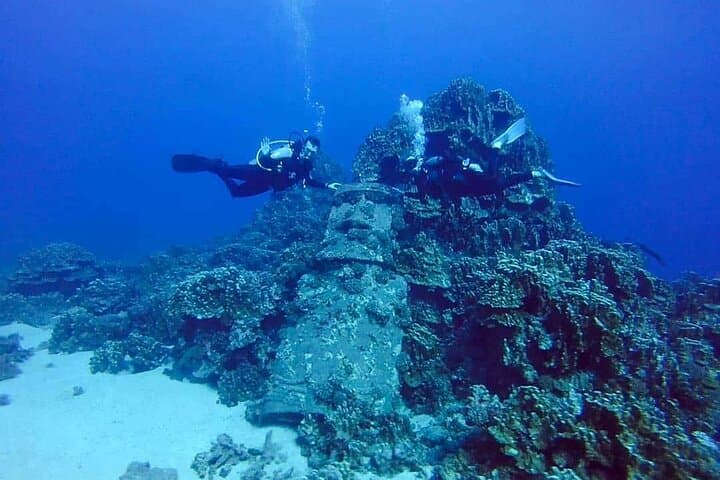
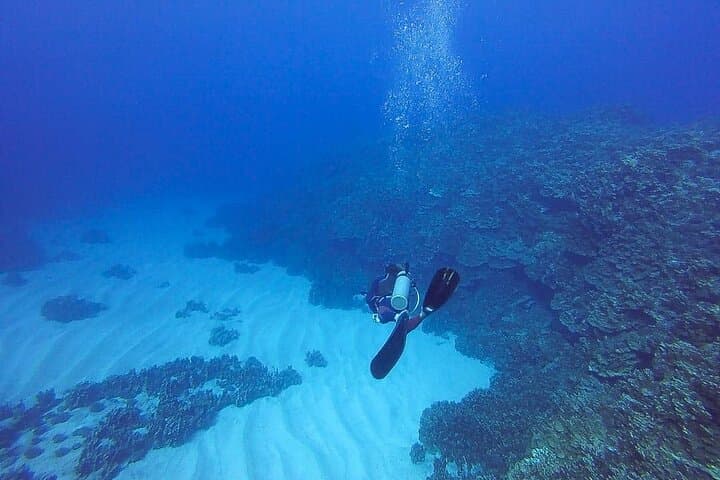
The ocean on Easter Island opens like a cool, breathless room — wind pushing, surf carving, and salt sharpening the air as your van eases onto the black lava shore. You meet your small group and instructors; the academy rig hums with regulated tanks and the careful choreography of weights and wetsuits. Once suited, you slip under a glassy surface and the island’s volcanic cliffs become a doorway to a different scale: basalt boulders, pockets of sand, and unexpectedly, stone faces partly claimed by the sea.
Verified experiences and guided adventures in the surrounding area.
Operated by Anclatourchile · Hanga Roa, Valparaíso Region
The ocean on Easter Island opens like a cool, breathless room — wind pushing, surf carving, and salt sharpening the air as your van eases onto the black lava shore. You meet your small group and instructors; the academy rig hums with regulated tanks and the careful choreography of weights and wetsuits. Once suited, you slip under a glassy surface and the island’s volcanic cliffs become a doorway to a different scale: basalt boulders, pockets of sand, and unexpectedly, stone faces partly claimed by the sea.
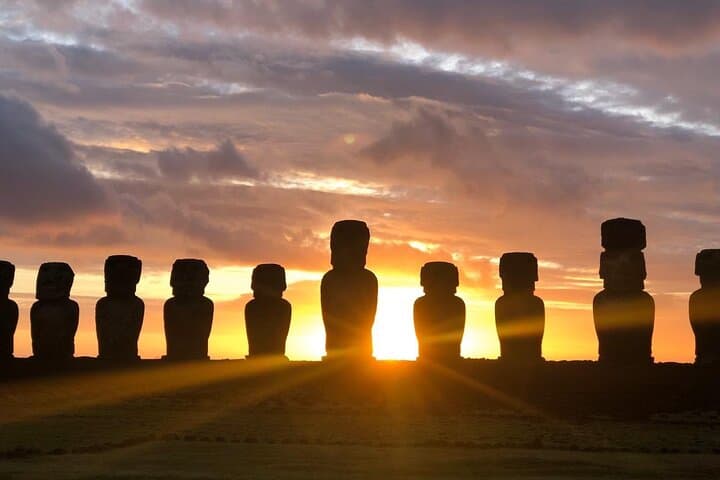
Rapa Nui culture hangs over every dive here. The moai were raised centuries ago by Polynesian settlers and, in places, erosion and changing shorelines have left some statues half-buried or submerged — a rare way to see these monuments from below. Geologically, the seafloor is a mix of young basaltic flows and reef pockets that host bulbous corals and tested kelp beds, offering varied terrain for a beginner’s guided descent.
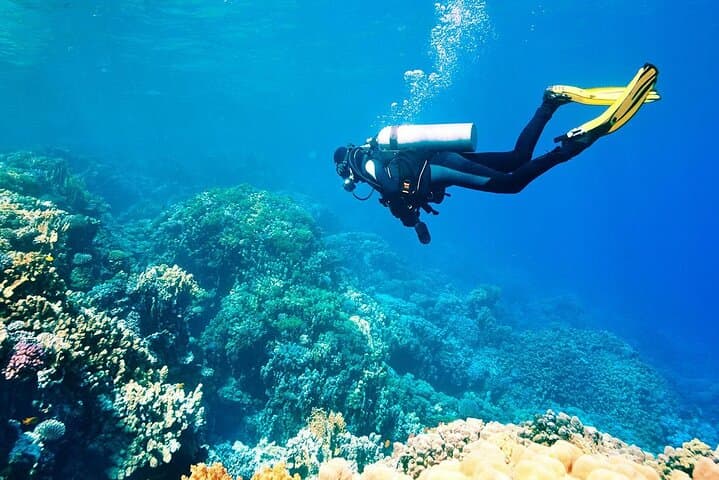
Expect friendly, paced instruction, shallow-to-moderate depths on an introductory profile, and a likely encounter with reef fish and the occasional sea turtle. The operator’s hotel pickup and small-group format trim logistics, while included photos let you take a vivid record home.
Practical notes: be honest about health restrictions, hydrate, and arrive with reef-safe sunscreen and light footwear for the lava shore. Plan morning dives for calmer seas and clearer light. Respect Rapa Nui cultural sites — on land and below — and follow your guide’s brief: the ocean here is generous but exacting, and it rewards attention with striking underwater perspectives of one of the world’s most remote island cultures.
moderate.
2–3 hours.
Comfortable swimming ability and basic cardiovascular fitness; not suitable for those with contraindicated medical conditions.
No — this is an introductory guided dive designed for non‑certified divers under the direct supervision of instructors.
Intro dives generally stay in shallow to moderate depths (often under 18 meters), visiting reef structure and, depending on the site, partially submerged moai and reef fish.
Yes — shared hotel pickup from Hanga Roa is included; the operator confirms exact pickup points on booking.
Not recommended for pregnant travelers or people with certain spinal/serious medical conditions; disclose medications and recent illnesses during booking.
Rapa Nui’s moai were carved and erected by Polynesian settlers centuries ago; some statues now sit at the waterline or just below it due to coastal changes.
Easter Island is part of Rapa Nui National Park and UNESCO protections guide visitor behavior—use reef‑safe products, avoid touching coral or artifacts, and follow guide instructions.
Anclatourchile operates guided outdoor trips and adventures with an emphasis on safety, stewardship, and memorable experiences.
The ocean on Easter Island opens like a cool, breathless room — wind pushing, surf carving, and salt sharpening the air as your van eases onto the black lava shore. You meet your small group and instructors; the academy rig hums with regulated tanks and the careful choreography of weights and wetsuits. Once suited, you slip under a glassy surface and the island’s volcanic cliffs become a doorway to a different scale: basalt boulders, pockets of sand, and unexpectedly, stone faces partly claimed by the sea.
The ocean on Easter Island opens like a cool, breathless room — wind pushing, surf carving, and salt sharpening the air as your van eases onto the black lava shore. You meet your small group and instructors; the academy rig hums with regulated tanks and the careful choreography of weights and wetsuits. Once suited, you slip under a glassy surface and the island’s volcanic cliffs become a doorway to a different scale: basalt boulders, pockets of sand, and unexpectedly, stone faces partly claimed by the sea.
Rapa Nui culture hangs over every dive here. The moai were raised centuries ago by Polynesian settlers and, in places, erosion and changing shorelines have left some statues half-buried or submerged — a rare way to see these monuments from below. Geologically, the seafloor is a mix of young basaltic flows and reef pockets that host bulbous corals and tested kelp beds, offering varied terrain for a beginner’s guided descent.
Expect friendly, paced instruction, shallow-to-moderate depths on an introductory profile, and a likely encounter with reef fish and the occasional sea turtle. The operator’s hotel pickup and small-group format trim logistics, while included photos let you take a vivid record home.
Practical notes: be honest about health restrictions, hydrate, and arrive with reef-safe sunscreen and light footwear for the lava shore. Plan morning dives for calmer seas and clearer light. Respect Rapa Nui cultural sites — on land and below — and follow your guide’s brief: the ocean here is generous but exacting, and it rewards attention with striking underwater perspectives of one of the world’s most remote island cultures.