THE ADVENTURE COLLECTIVE® · Independent discovery and booking for outdoor travel

Step into Science World’s iconic dome at False Creek to turn curiosity into hands-on experiments. This family-friendly attraction combines interactive STEM galleries, live demos, and seasonal outdoor science play—perfect for a 2–3 hour visit.
Step into Science World’s iconic dome at False Creek to turn curiosity into hands-on experiments. This family-friendly attraction combines interactive STEM galleries, live demos, and seasonal outdoor science play—perfect for a 2–3 hour visit.
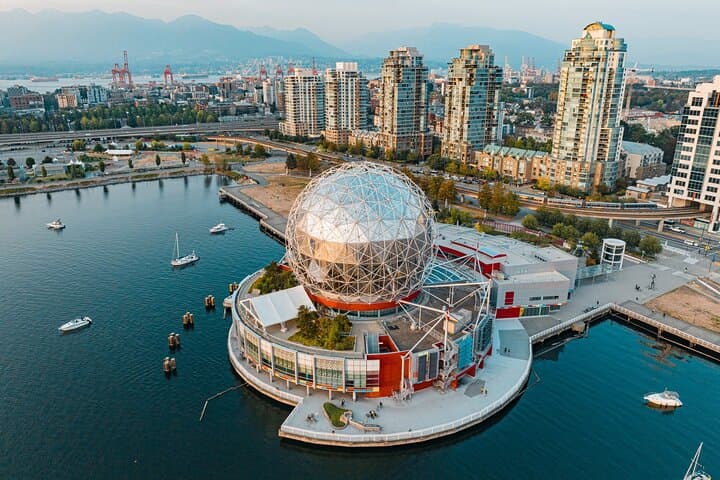
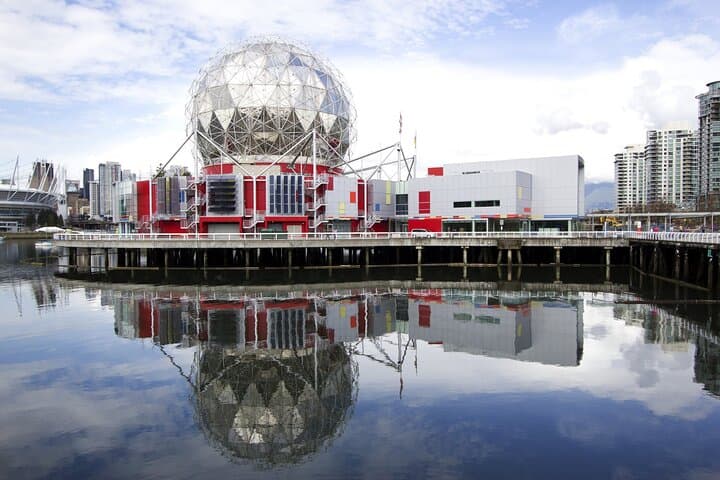
You step from the seawall into a low-angled afternoon light and the dome of Science World rises like a silver cog at the edge of False Creek, its curved ribs catching the city's motion.
Verified experiences and guided adventures in the surrounding area.
Operated by Science World · Vancouver, British Columbia
You step from the seawall into a low-angled afternoon light and the dome of Science World rises like a silver cog at the edge of False Creek, its curved ribs catching the city's motion.
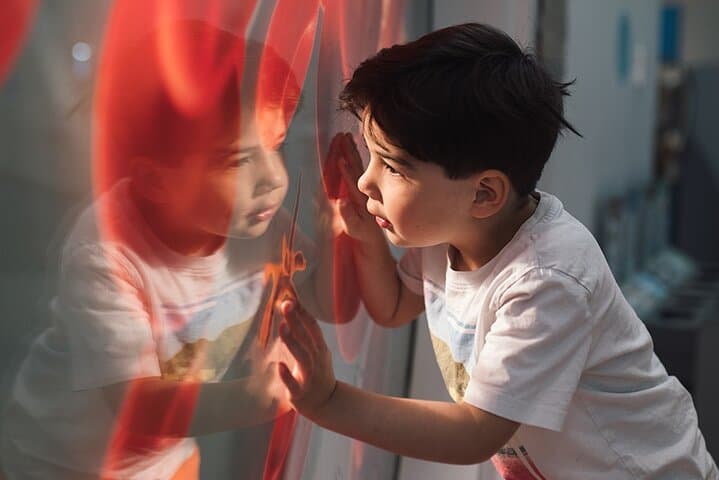
Inside the geodesic shell—leftover infrastructure from Expo 86—the galleries move at kid-scale speed: quick experiments demand you drop, push, build and ask why. The BodyWorks gallery invites you to test reflexes; Creative Technology pulls you into the logic of game design; Eureka! turns learning into kinetic play. Outside, False Creek nudges the plaza, a reminder that Vancouver’s industrial inlet became a compact urban waterfront and the Olympic Village to the west.
Geology and local culture thread through exhibits that explain the Pacific Rim's tectonic restlessness and the coastal ecosystems that shape the region. The Ken Spencer Science Park connects to the living world when it's open, offering seasonal habitat displays that contrast with the indoor, hands-on labs.
Practical notes: allow 2–3 hours for a focused visit, more if you have young kids. Mobile tickets are accepted and wheelchair and stroller access is comprehensive. The OMNIMAX theatre is currently closed for renovation, so plan around galleries and live demos instead. Peak times are late morning and early afternoon—arrive early on weekends to avoid lines.
This is an urban, weather-proof stop with plenty of transit options, and it rewards curious travelers with clear explanations, tactile learning, and a waterfront setting that makes science feel like something you can reach for.
easy.
2–3 hours.
Suitable for all fitness levels; expect short periods of standing and hands-on activity.
Most visitors spend 2–3 hours exploring galleries and catching a live demo; families with young children may stay longer.
The OMNIMAX theatre is currently closed for renovation—check the museum's website for reopening updates and current feature exhibits.
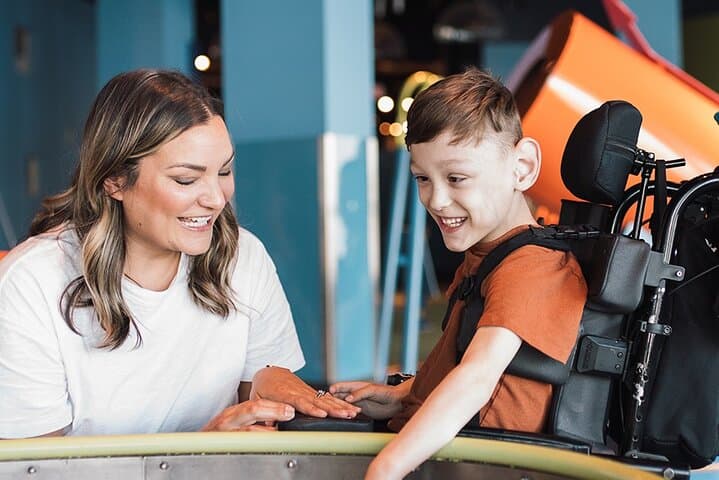
Yes—Science World is stroller- and wheelchair-accessible with appropriate ramps, elevators, and accessible restrooms.
There is a café and vending options; you can also bring small snacks, but large picnics are better enjoyed outside on the plaza or nearby parks.
The distinctive dome began life for Expo 86 as the Expo Centre; it was later transformed into a permanent hands-on science museum that celebrates regional natural history and technology.
Science World runs programs on local biodiversity and encourages sustainable access—use transit, minimize single-use plastics, and follow exhibit guidelines to reduce wear on interactive displays.
Science World operates guided outdoor trips and adventures with an emphasis on safety, stewardship, and memorable experiences.
You step from the seawall into a low-angled afternoon light and the dome of Science World rises like a silver cog at the edge of False Creek, its curved ribs catching the city's motion.
You step from the seawall into a low-angled afternoon light and the dome of Science World rises like a silver cog at the edge of False Creek, its curved ribs catching the city's motion.
Inside the geodesic shell—leftover infrastructure from Expo 86—the galleries move at kid-scale speed: quick experiments demand you drop, push, build and ask why. The BodyWorks gallery invites you to test reflexes; Creative Technology pulls you into the logic of game design; Eureka! turns learning into kinetic play. Outside, False Creek nudges the plaza, a reminder that Vancouver’s industrial inlet became a compact urban waterfront and the Olympic Village to the west.
Geology and local culture thread through exhibits that explain the Pacific Rim's tectonic restlessness and the coastal ecosystems that shape the region. The Ken Spencer Science Park connects to the living world when it's open, offering seasonal habitat displays that contrast with the indoor, hands-on labs.
Practical notes: allow 2–3 hours for a focused visit, more if you have young kids. Mobile tickets are accepted and wheelchair and stroller access is comprehensive. The OMNIMAX theatre is currently closed for renovation, so plan around galleries and live demos instead. Peak times are late morning and early afternoon—arrive early on weekends to avoid lines.
This is an urban, weather-proof stop with plenty of transit options, and it rewards curious travelers with clear explanations, tactile learning, and a waterfront setting that makes science feel like something you can reach for.