THE ADVENTURE COLLECTIVE® · Independent discovery and booking for outdoor travel

Set sail from Boothbay Harbor aboard the Schooner Applejack for a two-hour coastal cruise past Burnt Island Light, Squirrel Island and Ram Island Light. Expect close wildlife encounters, hands-on sailing opportunities and clear views of Maine’s glacially carved islands.
Set sail from Boothbay Harbor aboard the Schooner Applejack for a two-hour coastal cruise past Burnt Island Light, Squirrel Island and Ram Island Light. Expect close wildlife encounters, hands-on sailing opportunities and clear views of Maine’s glacially carved islands.
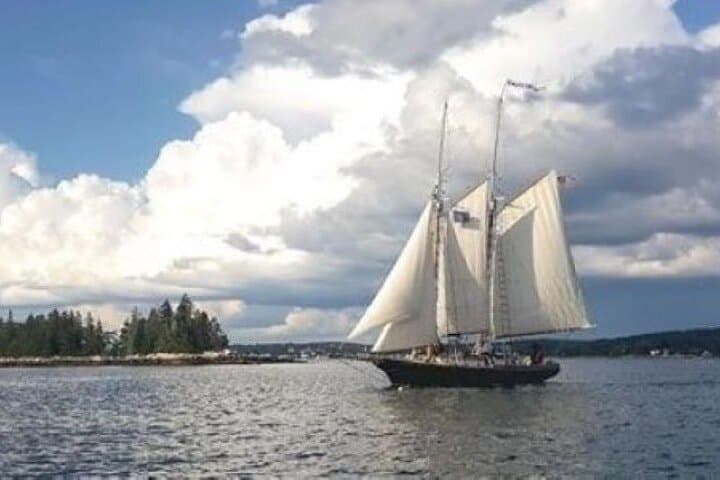
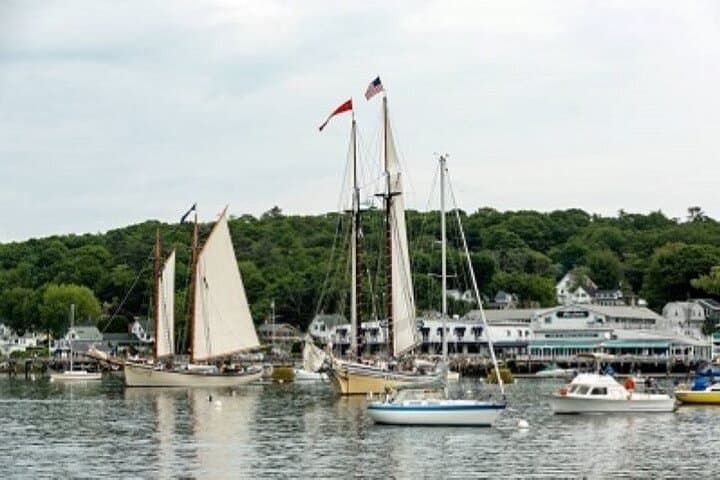
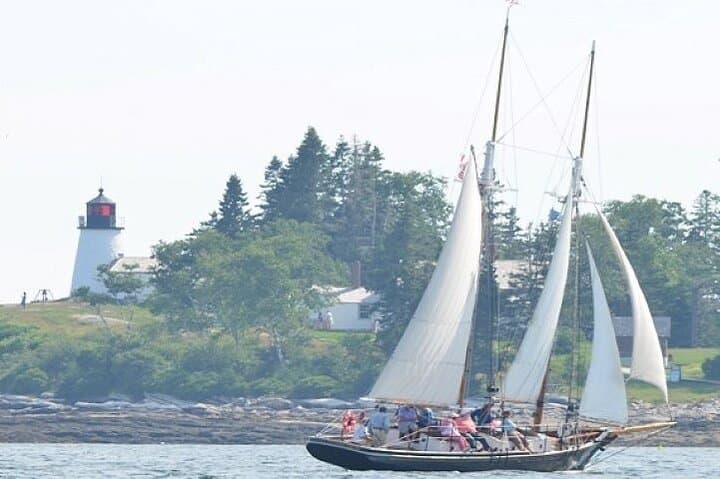
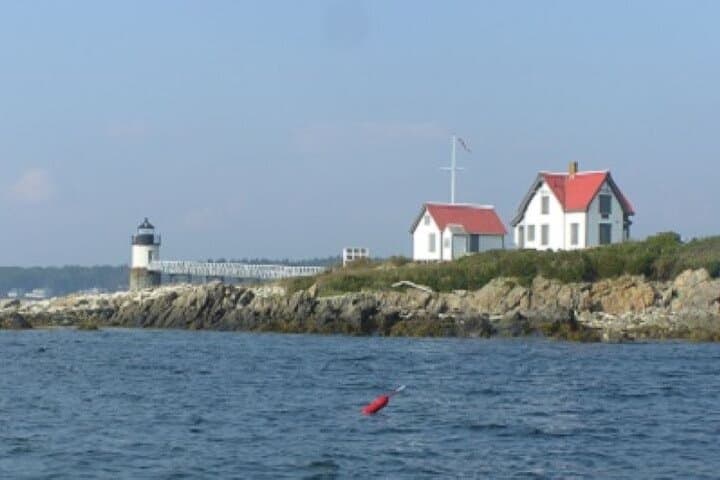
You step aboard the wooden rail of Schooner Applejack and the harbor opens: wind pressing the canvas, gulls arguing over a passing lobster boat, and the lighthouse at Burnt Island receding like a punctuation mark. The two-hour sail threads past Squirrel Island, Ram Island Light and a scatter of granite outcrops carved by glacial ice, while the crew invites passengers to take the wheel or help hoist a sheet.
Verified experiences and guided adventures in the surrounding area.
Operated by Boothbay Sailing · Boothbay Harbor, Maine
You step aboard the wooden rail of Schooner Applejack and the harbor opens: wind pressing the canvas, gulls arguing over a passing lobster boat, and the lighthouse at Burnt Island receding like a punctuation mark. The two-hour sail threads past Squirrel Island, Ram Island Light and a scatter of granite outcrops carved by glacial ice, while the crew invites passengers to take the wheel or help hoist a sheet.
Boothbay Harbor’s coastline is shaped by last ice age scouring—rounded ledges and pocket coves—so lighthouses and lobster boats became the area’s cultural markers. The Windjammer tradition lives on here: schooners like Applejack continue a working-boat legacy that dates to the 19th century, and local fisheries still set pots close to the islands.
Expect common sightings of harbor porpoise, seals, ospreys and the occasional bald eagle; seabirds perch on buoys and fishermen haul lines against a backdrop of rocky coasts. The geology is tactile—granite outcrops and thin soils that support salt-tolerant grasses and spruce.
Practical notes: arrive 15 minutes early at Fisherman’s Wharf (check-in at the Eastwind booth), bring layered clothing—sea air cools quickly—and a small bag for BYOB snacks. Onboard restrooms are available; lifejackets and basic instruction are provided, so no prior sailing experience is required. Timing matters—mornings are typically calmer for wildlife viewing; late afternoon can offer dramatic light for photography. If you’re prone to motion sickness, pick a seat midship and focus on the horizon. Applejack offers a compact, hands-on coastal sail that’s ideal for families, photographers, and anyone wanting a short yet authentic Maine seafaring experience.
easy.
2 hours.
Suitable for most fitness levels; requires basic mobility to board and move on deck.
No—Applejack welcomes novices and offers opportunities to help hoist sails or steer under crew supervision.
Yes; infants must sit on a lap and the cruise is family-friendly, but be prepared for movement on deck.
BYOB snacks and non-alcoholic drinks are allowed—bring what you want for a short picnic on board.
Trips may be canceled for unsafe conditions; check the cancellation policy and plan for refund or rescheduling.
Boothbay Harbor grew as a 19th-century fishing and shipbuilding center; schooners have been a part of the local working-fleet tradition for generations.
Local operators follow guidelines to minimize disturbance to marine life; visitors are asked to avoid feeding wildlife and to dispose of waste properly to protect fragile island ecosystems.
Boothbay Sailing operates guided outdoor trips and adventures with an emphasis on safety, stewardship, and memorable experiences.
You step aboard the wooden rail of Schooner Applejack and the harbor opens: wind pressing the canvas, gulls arguing over a passing lobster boat, and the lighthouse at Burnt Island receding like a punctuation mark. The two-hour sail threads past Squirrel Island, Ram Island Light and a scatter of granite outcrops carved by glacial ice, while the crew invites passengers to take the wheel or help hoist a sheet.
You step aboard the wooden rail of Schooner Applejack and the harbor opens: wind pressing the canvas, gulls arguing over a passing lobster boat, and the lighthouse at Burnt Island receding like a punctuation mark. The two-hour sail threads past Squirrel Island, Ram Island Light and a scatter of granite outcrops carved by glacial ice, while the crew invites passengers to take the wheel or help hoist a sheet.
Boothbay Harbor’s coastline is shaped by last ice age scouring—rounded ledges and pocket coves—so lighthouses and lobster boats became the area’s cultural markers. The Windjammer tradition lives on here: schooners like Applejack continue a working-boat legacy that dates to the 19th century, and local fisheries still set pots close to the islands.
Expect common sightings of harbor porpoise, seals, ospreys and the occasional bald eagle; seabirds perch on buoys and fishermen haul lines against a backdrop of rocky coasts. The geology is tactile—granite outcrops and thin soils that support salt-tolerant grasses and spruce.
Practical notes: arrive 15 minutes early at Fisherman’s Wharf (check-in at the Eastwind booth), bring layered clothing—sea air cools quickly—and a small bag for BYOB snacks. Onboard restrooms are available; lifejackets and basic instruction are provided, so no prior sailing experience is required. Timing matters—mornings are typically calmer for wildlife viewing; late afternoon can offer dramatic light for photography. If you’re prone to motion sickness, pick a seat midship and focus on the horizon. Applejack offers a compact, hands-on coastal sail that’s ideal for families, photographers, and anyone wanting a short yet authentic Maine seafaring experience.