THE ADVENTURE COLLECTIVE® · Independent discovery and booking for outdoor travel

A short, two-hour jungle walk above Mussoorie that starts under tall deodars and opens to a plateau with sweeping Doon Valley and Himalayan views. Ideal for morning outings, the trail is shaded, non-commercialized, and rich in local landmarks.
A short, two-hour jungle walk above Mussoorie that starts under tall deodars and opens to a plateau with sweeping Doon Valley and Himalayan views. Ideal for morning outings, the trail is shaded, non-commercialized, and rich in local landmarks.
The trail opens with the cool breath of old deodars; trunks rise like quiet columns and the path threads through moss and leaf litter. Early light filters in bands, and the forest feels deliberate—each gust nudging pine needles, each birdcall answering the slope. You climb steadily, leaving the town’s chatter behind, and at the plateau the Doon Valley spreads wide, a living map edged by distant Himalayan summits.
Verified experiences and guided adventures in the surrounding area.
Operated by walking tour · Mussoorie, Uttarakhand
The trail opens with the cool breath of old deodars; trunks rise like quiet columns and the path threads through moss and leaf litter. Early light filters in bands, and the forest feels deliberate—each gust nudging pine needles, each birdcall answering the slope. You climb steadily, leaving the town’s chatter behind, and at the plateau the Doon Valley spreads wide, a living map edged by distant Himalayan summits.
This short nature walk follows a classic Mussoorie profile: high-elevation fir and oak stands on a ridge carved by Himalayan uplift and seasonal rivers. The area carries colonial-era hiking traditions—locals and school groups have walked these slopes for generations—and passes near local landmarks such as the Lambi Dehar mines and a Tibetan temple, visible from the route. Geologically, you tread on young fold-and-fault ranges; soils are thin in places and stone outcrops can appear after rain.
Practical guide: the full loop is roughly 3–5 km and typically takes about two hours with moderate climbs and some uneven, rooty sections. Start early for clearer views of Kedarnath and Badrinath on fair days; afternoon clouds can roll in quickly. Wear grippy hiking shoes, carry at least 1L of water, and pack a lightweight layer—the ridge can be windy. The walk is mostly shaded but exposed at the plateau, so sun protection helps. Be prepared for single-track sections where small groups pass carefully. Respect local signs, stick to the path to protect saplings, and keep snacks and trash packed out. For a short, non-commercialized forest experience with sweeping valley views, this trail is an accessible taste of Mussoorie’s mountain character.
moderate.
2 hours.
Moderate fitness—able to manage steady uphill sections and short uneven stretches.
Typical outings take about 2 hours round-trip with a moderate elevation gain—expect short steep pitches but no technical climbs.
The walk starts from local footpaths above Mussoorie; most guides or local maps will point to the deodar-lined access—ask at your hotel or a local guide for the nearest entry point.
The trail is open in monsoon but becomes slippery and some sections may be hazardous after heavy rain—avoid immediately after storms and wear waterproof shoes.
There are no facilities on the trail; the tour includes a guide and snacks per the listing, which helps with navigation and local insights.
Mussoorie’s forest tracks were formalized during the colonial era when schools and hill residents established walking routes; nearby Lambi Dehar mines and Tibetan cultural sites add layers of local history.
The area is lightly trafficked and vulnerable to trail erosion and litter; stick to the path, avoid disturbing saplings, and pack out all waste to preserve the forest.
walking tour operates guided outdoor trips and adventures with an emphasis on safety, stewardship, and memorable experiences.


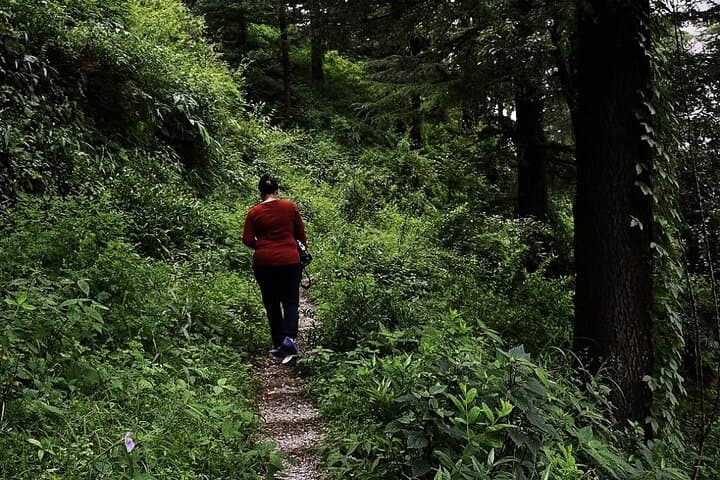
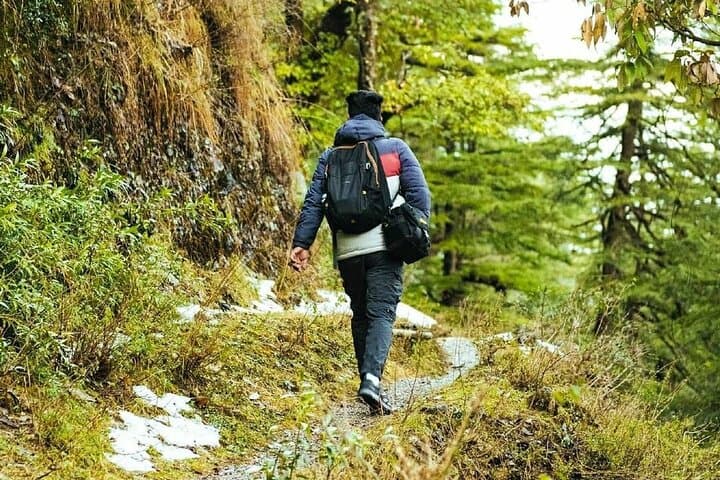
The trail opens with the cool breath of old deodars; trunks rise like quiet columns and the path threads through moss and leaf litter. Early light filters in bands, and the forest feels deliberate—each gust nudging pine needles, each birdcall answering the slope. You climb steadily, leaving the town’s chatter behind, and at the plateau the Doon Valley spreads wide, a living map edged by distant Himalayan summits.
The trail opens with the cool breath of old deodars; trunks rise like quiet columns and the path threads through moss and leaf litter. Early light filters in bands, and the forest feels deliberate—each gust nudging pine needles, each birdcall answering the slope. You climb steadily, leaving the town’s chatter behind, and at the plateau the Doon Valley spreads wide, a living map edged by distant Himalayan summits.
This short nature walk follows a classic Mussoorie profile: high-elevation fir and oak stands on a ridge carved by Himalayan uplift and seasonal rivers. The area carries colonial-era hiking traditions—locals and school groups have walked these slopes for generations—and passes near local landmarks such as the Lambi Dehar mines and a Tibetan temple, visible from the route. Geologically, you tread on young fold-and-fault ranges; soils are thin in places and stone outcrops can appear after rain.
Practical guide: the full loop is roughly 3–5 km and typically takes about two hours with moderate climbs and some uneven, rooty sections. Start early for clearer views of Kedarnath and Badrinath on fair days; afternoon clouds can roll in quickly. Wear grippy hiking shoes, carry at least 1L of water, and pack a lightweight layer—the ridge can be windy. The walk is mostly shaded but exposed at the plateau, so sun protection helps. Be prepared for single-track sections where small groups pass carefully. Respect local signs, stick to the path to protect saplings, and keep snacks and trash packed out. For a short, non-commercialized forest experience with sweeping valley views, this trail is an accessible taste of Mussoorie’s mountain character.