THE ADVENTURE COLLECTIVE® · Independent discovery and booking for outdoor travel

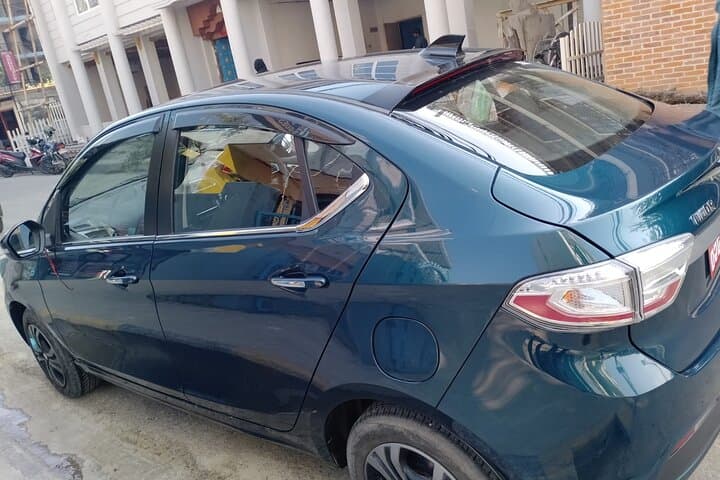
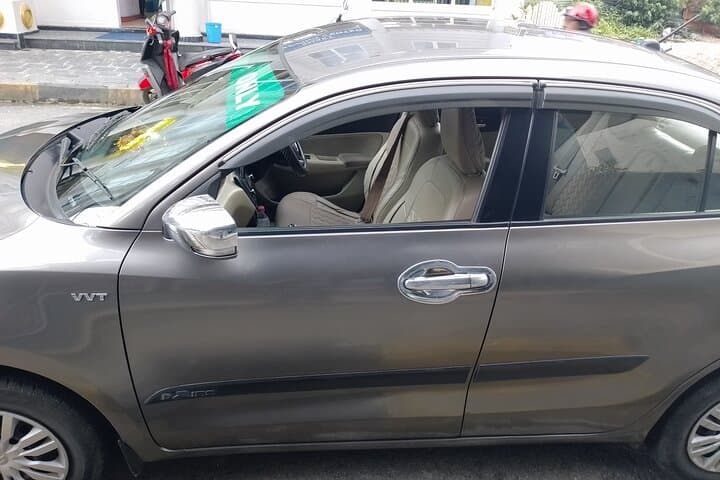
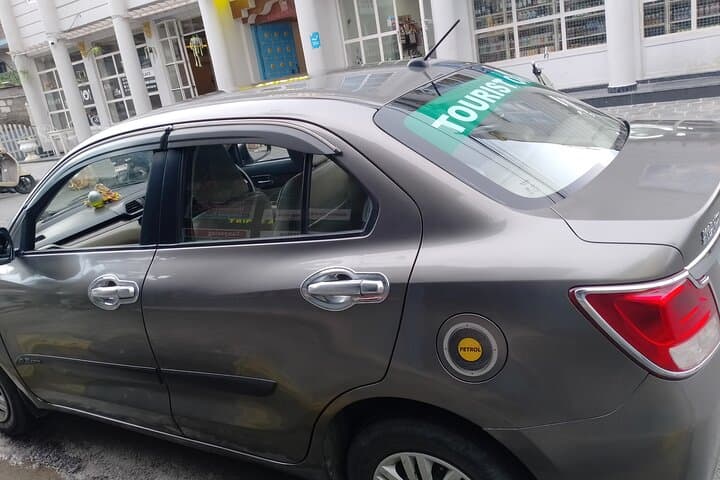
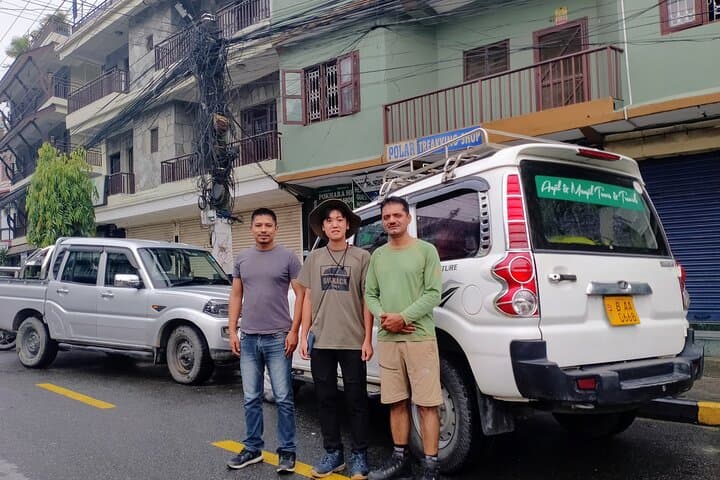
Skip the crowded buses and turn the famous Pokhara–Kathmandu route into a relaxed, scenic transfer. Travel in a private, air‑conditioned car with flexible stops for viewpoints, local snacks, and photos along the Prithvi Highway.
Skip the crowded buses and turn the famous Pokhara–Kathmandu route into a relaxed, scenic transfer. Travel in a private, air‑conditioned car with flexible stops for viewpoints, local snacks, and photos along the Prithvi Highway.
The road unspools beneath the tires, hills folding away like pages as you leave Pokhara’s lakeshore behind. Through the car window the Himalayan foothills edge closer — terraced fields, roadside tea stalls, and villages that appear and disappear between turns. The drive is more than transit; it’s a moving panorama that rewards a relaxed pace and an eye for small details.
Verified experiences and guided adventures in the surrounding area.
Operated by CAN Travels · Pokhara, Gandaki Province
The road unspools beneath the tires, hills folding away like pages as you leave Pokhara’s lakeshore behind. Through the car window the Himalayan foothills edge closer — terraced fields, roadside tea stalls, and villages that appear and disappear between turns. The drive is more than transit; it’s a moving panorama that rewards a relaxed pace and an eye for small details.
Historically the Prithvi Highway has been Nepal’s main artery between the mid‑hills and the capital, carved along river valleys and built up over decades to link communities. Geologically you’ll cross young, folded terrain: steep valley walls, river terraces, and occasional outcrops of weathered shale and sandstone. Culturally the route threads through Newari and Gurung settlements; Bandipur and small market towns offer quick glimpses of local life and roadside handicrafts.
Practical guidance: the drive is roughly 200–220 km and commonly takes about 6–8 hours depending on traffic and roadworks. Roads are paved but winding — expect hairpins, variable shoulder widths, and occasional delays from landslides or maintenance. Elevation rises from about 820 m in Pokhara to roughly 1,400 m in Kathmandu, so bring a light layer for cooler hilltop stops.
Plan hydration and breaks: request stops at Bandipur viewpoint or riverside cafes in Mugling. Travel mid‑morning to avoid heavy traffic entering Kathmandu in late afternoon. Keep valuables out of sight when stopped, and be ready for phone coverage gaps in narrow valleys. A private car gives flexibility to photograph viewpoints, try local snacks, and arrive at your Kathmandu drop‑off refreshed and on your own schedule.
easy.
6–8 hours.
No special fitness required; comfortable sitting tolerance for several hours is sufficient
Expect about 6–8 hours door‑to‑door depending on traffic, roadworks, and how many stops you request.
Yes — private transfers are flexible. Popular stops include Bandipur, Mugling river viewpoints, and local tea stalls.
Monsoon (roughly June–September) can cause landslides and slower travel; experienced drivers can usually navigate safely but delays are common.
Policies vary; request special requirements at booking and confirm if child seats are available or bring your own for infants and toddlers.
The Prithvi Highway (linking Pokhara and Kathmandu) transformed trade and travel in the 1970s and runs through long‑established Newari and Gurung communities.
Roadside litter and erosion are local concerns — choose operators who minimize waste, avoid roadside fires, and support small village businesses to spread tourism benefits.
CAN Travels operates guided outdoor trips and adventures with an emphasis on safety, stewardship, and memorable experiences.
The road unspools beneath the tires, hills folding away like pages as you leave Pokhara’s lakeshore behind. Through the car window the Himalayan foothills edge closer — terraced fields, roadside tea stalls, and villages that appear and disappear between turns. The drive is more than transit; it’s a moving panorama that rewards a relaxed pace and an eye for small details.
The road unspools beneath the tires, hills folding away like pages as you leave Pokhara’s lakeshore behind. Through the car window the Himalayan foothills edge closer — terraced fields, roadside tea stalls, and villages that appear and disappear between turns. The drive is more than transit; it’s a moving panorama that rewards a relaxed pace and an eye for small details.
Historically the Prithvi Highway has been Nepal’s main artery between the mid‑hills and the capital, carved along river valleys and built up over decades to link communities. Geologically you’ll cross young, folded terrain: steep valley walls, river terraces, and occasional outcrops of weathered shale and sandstone. Culturally the route threads through Newari and Gurung settlements; Bandipur and small market towns offer quick glimpses of local life and roadside handicrafts.
Practical guidance: the drive is roughly 200–220 km and commonly takes about 6–8 hours depending on traffic and roadworks. Roads are paved but winding — expect hairpins, variable shoulder widths, and occasional delays from landslides or maintenance. Elevation rises from about 820 m in Pokhara to roughly 1,400 m in Kathmandu, so bring a light layer for cooler hilltop stops.
Plan hydration and breaks: request stops at Bandipur viewpoint or riverside cafes in Mugling. Travel mid‑morning to avoid heavy traffic entering Kathmandu in late afternoon. Keep valuables out of sight when stopped, and be ready for phone coverage gaps in narrow valleys. A private car gives flexibility to photograph viewpoints, try local snacks, and arrive at your Kathmandu drop‑off refreshed and on your own schedule.