THE ADVENTURE COLLECTIVE® · Independent discovery and booking for outdoor travel

Skip the bus and relax on a private, door-to-door transfer between UNESCO towns. This comfortable three‑hour drive threads Czech foothills into the Austrian lake district—ideal for travelers who want the scenery without the logistics.
Skip the bus and relax on a private, door-to-door transfer between UNESCO towns. This comfortable three‑hour drive threads Czech foothills into the Austrian lake district—ideal for travelers who want the scenery without the logistics.
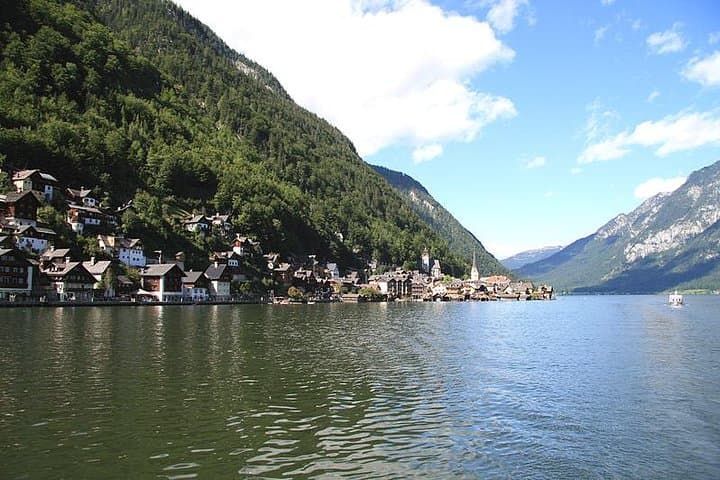
A morning in Český Krumlov begins with a quiet pickup at your hotel; the van eases away from cobbled streets and the Vltava River glints as the town shrinks in the rearview. The route slips through patchwork fields and forested hills, then crosses the low mountains into Austria, with the Dachstein massif looming before Hallstatt’s lake appears like a mirror pulled across a valley.
Verified experiences and guided adventures in the surrounding area.
Operated by Jan Stehlik - Pension Sebastian Tours & Transport · Cesky Krumlov, South Bohemian Region
A morning in Český Krumlov begins with a quiet pickup at your hotel; the van eases away from cobbled streets and the Vltava River glints as the town shrinks in the rearview. The route slips through patchwork fields and forested hills, then crosses the low mountains into Austria, with the Dachstein massif looming before Hallstatt’s lake appears like a mirror pulled across a valley.
Cesky Krumlov’s medieval core—a UNESCO site—was shaped by trade on the Vltava; Hallstatt, also UNESCO-listed, preserves a far older story of salt extraction that gave its name to the early Iron Age “Hallstatt culture.” Geologically, you pass from crystalline Bohemian foothills into limestone and karst of the Salzkammergut region; expect roadside views of steep slopes, narrow valleys, and traditional farmsteads.
Culturally the two towns contrast: Český Krumlov offers Gothic and Renaissance stonework and riverside cafés; Hallstatt answers with alpine wooden houses, salt-mine history, and lakefront promenades. Drivers familiar with the corridor can arrange short photo stops—look for small viewpoints above the valley and sleepy villages where local bakeries sell packed lunches.
Practical guidance: the private one-way takes about three hours depending on traffic and border checks—carry valid passports and have charging cables for in-vehicle devices. Vans accommodate multiple suitcases and offer child seats on request; winter driving can be slower with narrow, occasionally icy mountain roads. Book a morning transfer to arrive in daylight for the best approach into Hallstatt and bring a light jacket—lake winds can feel sharp even in summer.
easy.
3 hours (approx.).
Suitable for all fitness levels—this is a seated road transfer, not a hike.
Yes—both countries are in Schengen, but travelers should carry a valid passport or national ID; occasional checks can occur.
Yes—private transfers typically allow short photo or restroom stops; confirm any longer detours at booking and expect additional charges.
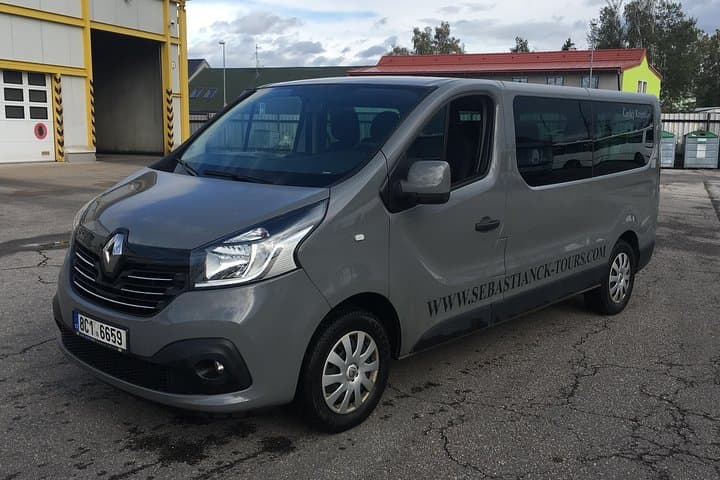
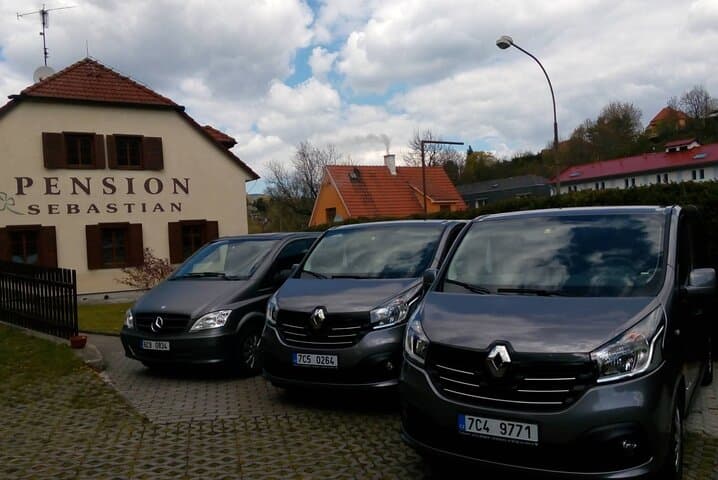
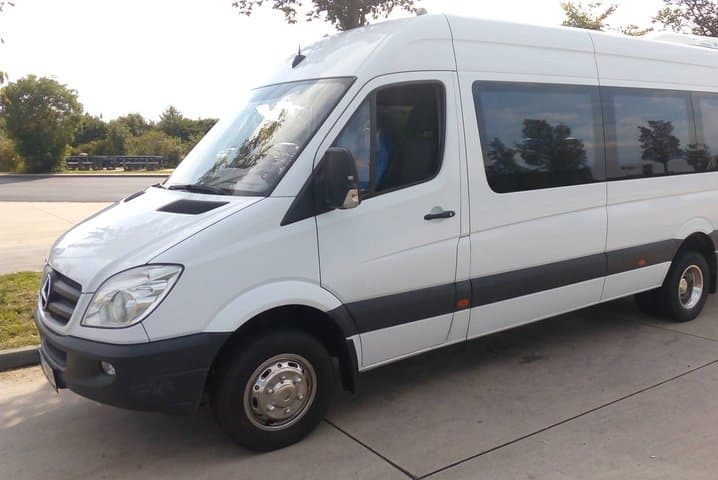
Vans accommodate multiple large suitcases plus carry-ons—capacity is listed for 8 passengers; state exact luggage amounts when booking for larger groups.
Yes—operators provide winter-ready vans on request, but confirm when booking and allow extra travel time in snowy conditions.
Český Krumlov’s town center grew around medieval trade on the Vltava; Hallstatt’s salt-mining history dates to prehistoric times and gave its name to a European Iron Age culture.
Hallstatt limits vehicle access and enforces parking controls to manage overtourism—favoring transfers over multiple private cars reduces local congestion and wear on fragile lakeshore environments.
Jan Stehlik - Pension Sebastian Tours & Transport operates guided outdoor trips and adventures with an emphasis on safety, stewardship, and memorable experiences.
A morning in Český Krumlov begins with a quiet pickup at your hotel; the van eases away from cobbled streets and the Vltava River glints as the town shrinks in the rearview. The route slips through patchwork fields and forested hills, then crosses the low mountains into Austria, with the Dachstein massif looming before Hallstatt’s lake appears like a mirror pulled across a valley.
A morning in Český Krumlov begins with a quiet pickup at your hotel; the van eases away from cobbled streets and the Vltava River glints as the town shrinks in the rearview. The route slips through patchwork fields and forested hills, then crosses the low mountains into Austria, with the Dachstein massif looming before Hallstatt’s lake appears like a mirror pulled across a valley.
Cesky Krumlov’s medieval core—a UNESCO site—was shaped by trade on the Vltava; Hallstatt, also UNESCO-listed, preserves a far older story of salt extraction that gave its name to the early Iron Age “Hallstatt culture.” Geologically, you pass from crystalline Bohemian foothills into limestone and karst of the Salzkammergut region; expect roadside views of steep slopes, narrow valleys, and traditional farmsteads.
Culturally the two towns contrast: Český Krumlov offers Gothic and Renaissance stonework and riverside cafés; Hallstatt answers with alpine wooden houses, salt-mine history, and lakefront promenades. Drivers familiar with the corridor can arrange short photo stops—look for small viewpoints above the valley and sleepy villages where local bakeries sell packed lunches.
Practical guidance: the private one-way takes about three hours depending on traffic and border checks—carry valid passports and have charging cables for in-vehicle devices. Vans accommodate multiple suitcases and offer child seats on request; winter driving can be slower with narrow, occasionally icy mountain roads. Book a morning transfer to arrive in daylight for the best approach into Hallstatt and bring a light jacket—lake winds can feel sharp even in summer.