THE ADVENTURE COLLECTIVE® · Independent discovery and booking for outdoor travel

See Bermuda’s highlights in a single morning or afternoon aboard an air‑conditioned mini bus. This guided loop from Royal Naval Dockyard hits Gibbs Hill Lighthouse, pink‑sand beaches and historic St. George’s with photo stops and short walks.
See Bermuda’s highlights in a single morning or afternoon aboard an air‑conditioned mini bus. This guided loop from Royal Naval Dockyard hits Gibbs Hill Lighthouse, pink‑sand beaches and historic St. George’s with photo stops and short walks.
The tour begins on a bright dockside morning at the Royal Naval Dockyard, the bus idling like a patient storyteller ready to unfold the island. Windows frame quicksilver water and pastel roofs as the driver narrates landmarks — lighthouses, pink-sand coves, and colonial streets — each stop a short walk from the coach for photos and short explorations.
Verified experiences and guided adventures in the surrounding area.
Operated by Island Tour Centre · Royal Naval Dockyard, Sandys Parish
The tour begins on a bright dockside morning at the Royal Naval Dockyard, the bus idling like a patient storyteller ready to unfold the island. Windows frame quicksilver water and pastel roofs as the driver narrates landmarks — lighthouses, pink-sand coves, and colonial streets — each stop a short walk from the coach for photos and short explorations.
Bermuda’s human history is visible in stone: St. George’s 17th‑century town square and cedar‑lined buildings reflect its early colonial era, while Gibbs Hill Lighthouse, an iron structure from the 19th century, surveys reefs that shaped maritime trade and shipbuilding. Geologically the island is a ring of limestone capped with sand and coral, which gives the beaches their iconic pink hue and creates dramatic limestone cliffs along the south shore.
Culturally the island mixes British influences with Afro‑Bermudian traditions; markets in St. George’s and small villages at Flatt’s Inlet reveal local crafts and seafood flavors. Nature adds its own character — shallow channels, reef gardens and tree‑lined botanical paths offer contrast to the manmade sites.
Practical guidance: expect a four‑hour loop with several 15–45 minute stops; bring sun protection, a small water bottle and comfortable shoes for short walks. The route is suitable for most fitness levels and includes a 185‑step climb option at Gibbs Hill for panoramic views. Weather can change quickly — a light rain jacket stashed in a daypack keeps you moving. Check meeting point directions at the Island Tour Centre in Dockyard and arrive 15 minutes early to claim your seat.
easy.
3.5–4.5 hours.
Suitable for travelers in average physical condition; involves short walks and optional stair climbs
The tour starts and ends at the Island Tour Centre in Royal Naval Dockyard; follow signs for the blue building near the wharf.
Admission to climb is typically available as a stop; the 185‑step spiral climb is optional and may require a separate fee if entry is restricted.
Yes — the itinerary includes brief stops at attractions and beaches where facilities are available, but bring essentials just in case.
Yes; infants must sit on an adult’s lap and tours are rated easy for most fitness levels, though parents should plan for short walks and sun exposure.
St. George’s and the Dockyard reflect Bermuda’s role as an early British colonial outpost and strategic naval base, visible in 17th–19th century architecture.
Respect reef and shoreline areas by using reef‑safe sunscreen, staying on marked paths and avoiding coral removal; many sites are sensitive to trampling and pollution.
Island Tour Centre operates guided outdoor trips and adventures with an emphasis on safety, stewardship, and memorable experiences.

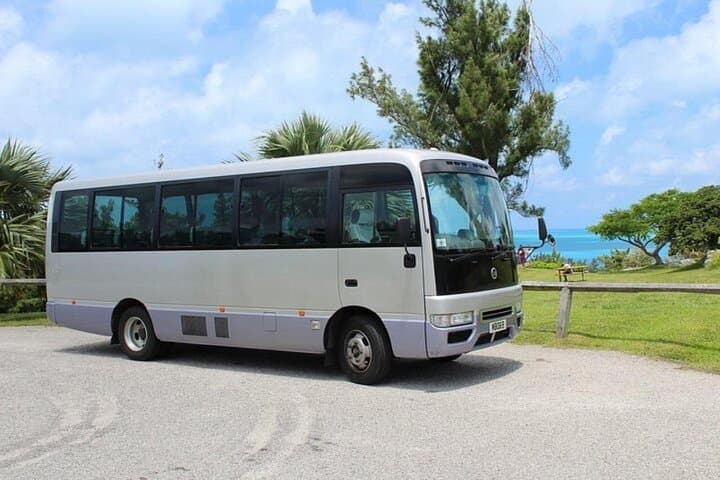
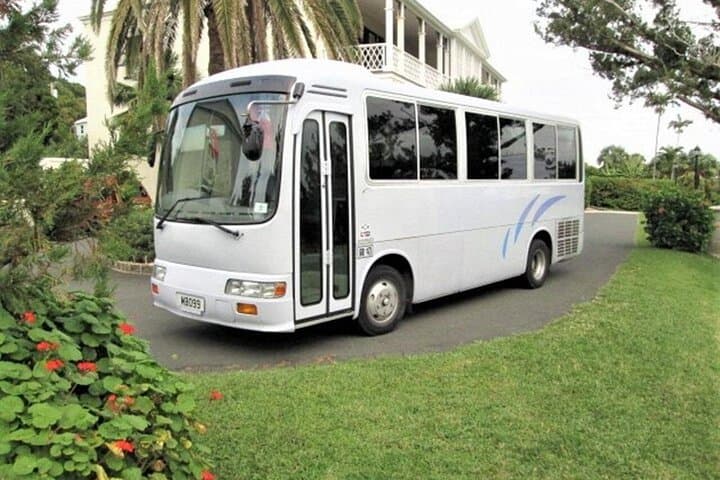

The tour begins on a bright dockside morning at the Royal Naval Dockyard, the bus idling like a patient storyteller ready to unfold the island. Windows frame quicksilver water and pastel roofs as the driver narrates landmarks — lighthouses, pink-sand coves, and colonial streets — each stop a short walk from the coach for photos and short explorations.
The tour begins on a bright dockside morning at the Royal Naval Dockyard, the bus idling like a patient storyteller ready to unfold the island. Windows frame quicksilver water and pastel roofs as the driver narrates landmarks — lighthouses, pink-sand coves, and colonial streets — each stop a short walk from the coach for photos and short explorations.
Bermuda’s human history is visible in stone: St. George’s 17th‑century town square and cedar‑lined buildings reflect its early colonial era, while Gibbs Hill Lighthouse, an iron structure from the 19th century, surveys reefs that shaped maritime trade and shipbuilding. Geologically the island is a ring of limestone capped with sand and coral, which gives the beaches their iconic pink hue and creates dramatic limestone cliffs along the south shore.
Culturally the island mixes British influences with Afro‑Bermudian traditions; markets in St. George’s and small villages at Flatt’s Inlet reveal local crafts and seafood flavors. Nature adds its own character — shallow channels, reef gardens and tree‑lined botanical paths offer contrast to the manmade sites.
Practical guidance: expect a four‑hour loop with several 15–45 minute stops; bring sun protection, a small water bottle and comfortable shoes for short walks. The route is suitable for most fitness levels and includes a 185‑step climb option at Gibbs Hill for panoramic views. Weather can change quickly — a light rain jacket stashed in a daypack keeps you moving. Check meeting point directions at the Island Tour Centre in Dockyard and arrive 15 minutes early to claim your seat.