THE ADVENTURE COLLECTIVE® · Independent discovery and booking for outdoor travel

Ride a scenic cog-wheel train or cable car from Barcelona to Montserrat for a concentrated half-day of jagged geology, medieval monastery architecture, and the famed Black Madonna. This accessible trip pairs short hikes and cultural stops with panoramic views of Catalonia.
Ride a scenic cog-wheel train or cable car from Barcelona to Montserrat for a concentrated half-day of jagged geology, medieval monastery architecture, and the famed Black Madonna. This accessible trip pairs short hikes and cultural stops with panoramic views of Catalonia.
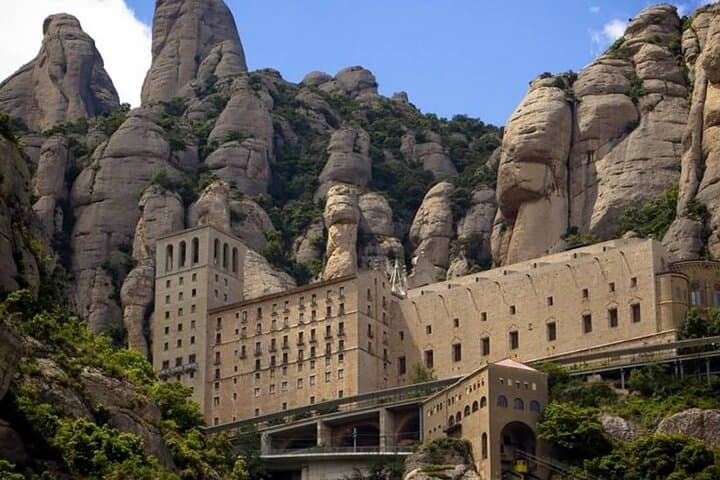
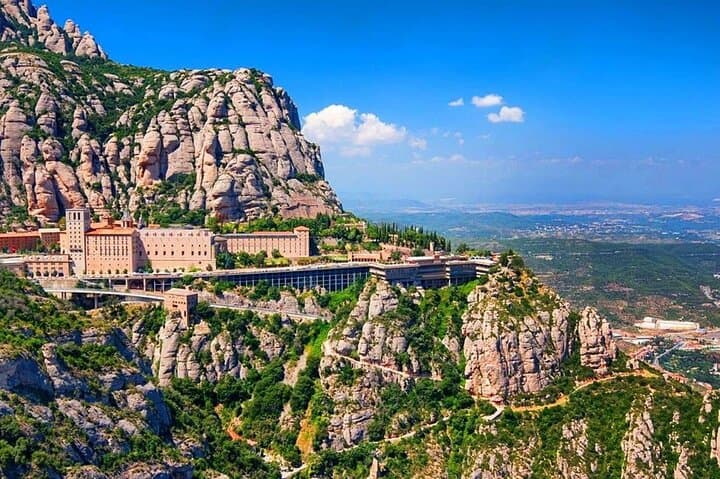
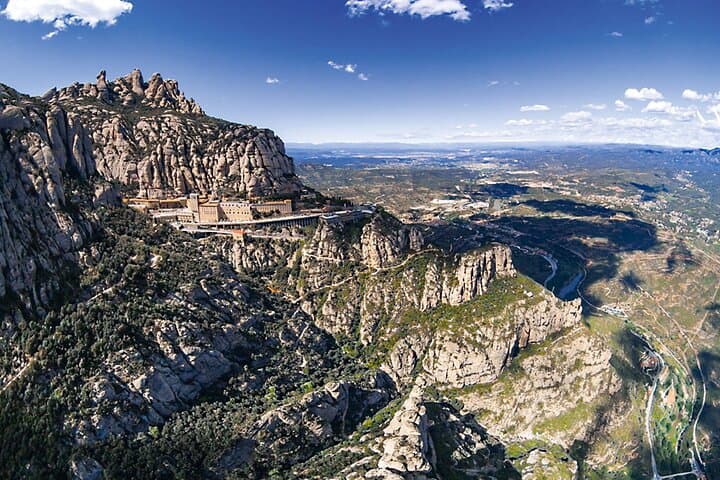
A low hum of the cog-wheel train builds as Barcelona recedes and the mountain appears—an abrupt spine of jagged rock cutting the Catalan sky. The climb reveals terraces of stone, olive groves below, and the Benedictine monastery perched where pilgrims have come for centuries. The cable car, when chosen, tips into open air and the abrupt drop toward the abbey gives a clean, vertiginous view of the park’s serrated ridges.
Verified experiences and guided adventures in the surrounding area.
Operated by TRIP ROMA SERVICE AGENCY · Montserrat, Catalonia
A low hum of the cog-wheel train builds as Barcelona recedes and the mountain appears—an abrupt spine of jagged rock cutting the Catalan sky. The climb reveals terraces of stone, olive groves below, and the Benedictine monastery perched where pilgrims have come for centuries. The cable car, when chosen, tips into open air and the abrupt drop toward the abbey gives a clean, vertiginous view of the park’s serrated ridges.
Geology here is blunt: Miocene conglomerate has weathered into the dramatic sawtooth profiles that define Montserrat, while pockets of chestnut and pine catch the smell of resin on warm days. The monastery dates back to medieval times and the Black Madonna (La Moreneta) has drawn devotion since at least the 11th century; the Montserrat Boys’ Choir carries that ritual forward with tight, ethereal harmonies.
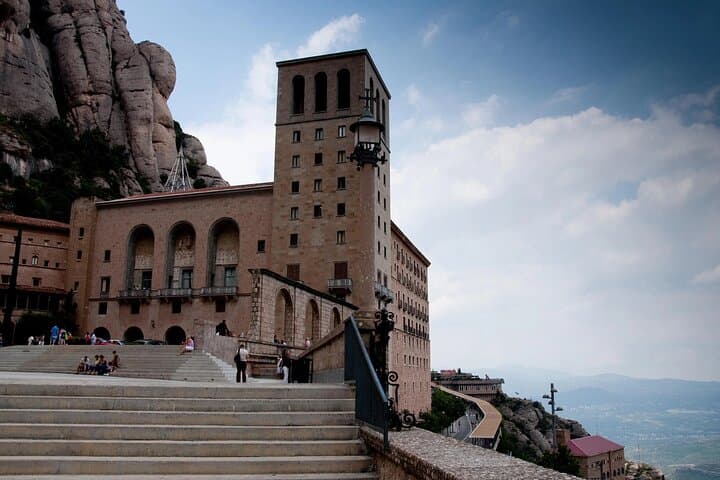
Visitors split time between the basilica, a compact museum with paintings by El Greco and Picasso, and short rock-cut trails that offer sweeping views across the Catalan plain to the Mediterranean. Local culture shows up in small ways: artisanal liqueurs, mountain cheeses, and the audiovisual center that contextualizes pilgrimage and geology.
Practical guidance: allow about six hours for transit and exploration, check train or cable-car schedules, and expect short stair climbs inside the basilica. Dress respectfully for religious sites, bring layered clothing (mountain winds can be sharp), and carry water—there’s limited shelter on the ridgelines. Plan mornings for fewer crowds and clearer light if photography or quiet reflection matters.
easy.
6 hours.
Suitable for most fitness levels; requires short walks and stair climbs around the monastery
The full excursion is about six hours from check-in to return, including transit and time at Montserrat.
Yes; the tour often offers the scenic cog-wheel train or the Aeri cable car option depending on the itinerary and weather.
Access to the basilica and viewing of the Black Madonna is included, though lines can form during peak times.
Yes—cafés and small shops sell snacks, local liqueurs, and light meals, but options are limited compared with Barcelona.
Montserrat’s abbey has been a pilgrimage site since the medieval period; the current basilica and monastic complex grew over centuries around the Black Madonna cult.
The Montserrat Natural Park manages trails and restricts some routes to protect fragile rock formations and endemic flora; stick to marked paths to limit erosion.
TRIP ROMA SERVICE AGENCY operates guided outdoor trips and adventures with an emphasis on safety, stewardship, and memorable experiences.
A low hum of the cog-wheel train builds as Barcelona recedes and the mountain appears—an abrupt spine of jagged rock cutting the Catalan sky. The climb reveals terraces of stone, olive groves below, and the Benedictine monastery perched where pilgrims have come for centuries. The cable car, when chosen, tips into open air and the abrupt drop toward the abbey gives a clean, vertiginous view of the park’s serrated ridges.
A low hum of the cog-wheel train builds as Barcelona recedes and the mountain appears—an abrupt spine of jagged rock cutting the Catalan sky. The climb reveals terraces of stone, olive groves below, and the Benedictine monastery perched where pilgrims have come for centuries. The cable car, when chosen, tips into open air and the abrupt drop toward the abbey gives a clean, vertiginous view of the park’s serrated ridges.
Geology here is blunt: Miocene conglomerate has weathered into the dramatic sawtooth profiles that define Montserrat, while pockets of chestnut and pine catch the smell of resin on warm days. The monastery dates back to medieval times and the Black Madonna (La Moreneta) has drawn devotion since at least the 11th century; the Montserrat Boys’ Choir carries that ritual forward with tight, ethereal harmonies.
Visitors split time between the basilica, a compact museum with paintings by El Greco and Picasso, and short rock-cut trails that offer sweeping views across the Catalan plain to the Mediterranean. Local culture shows up in small ways: artisanal liqueurs, mountain cheeses, and the audiovisual center that contextualizes pilgrimage and geology.
Practical guidance: allow about six hours for transit and exploration, check train or cable-car schedules, and expect short stair climbs inside the basilica. Dress respectfully for religious sites, bring layered clothing (mountain winds can be sharp), and carry water—there’s limited shelter on the ridgelines. Plan mornings for fewer crowds and clearer light if photography or quiet reflection matters.