THE ADVENTURE COLLECTIVE® · Independent discovery and booking for outdoor travel

Glide into the heart of Snake River Canyon on a 70–90 minute boat cruise from Centennial Waterfront Park to Pillar Falls. See basalt pillars, cascading water and Perrine Bridge’s cliffside activity while learning the canyon’s geological and cultural story.
Glide into the heart of Snake River Canyon on a 70–90 minute boat cruise from Centennial Waterfront Park to Pillar Falls. See basalt pillars, cascading water and Perrine Bridge’s cliffside activity while learning the canyon’s geological and cultural story.
The boat eases away from Centennial Waterfront Park and the canyon walls close in, layered basalt catching late light as the Snake River threads a cool, hissed path beneath the Perrine Bridge. Wind pulls at your jacket; the canyon’s scale makes conversation small. For 70–90 minutes you float past basalt pillars, riffles and the occasional daredevil launching from the bridge — an edge-of-the-seat moment framed by stone.
Verified experiences and guided adventures in the surrounding area.
Operated by AWOL Adventure Sports · Twin Falls, Idaho
The boat eases away from Centennial Waterfront Park and the canyon walls close in, layered basalt catching late light as the Snake River threads a cool, hissed path beneath the Perrine Bridge. Wind pulls at your jacket; the canyon’s scale makes conversation small. For 70–90 minutes you float past basalt pillars, riffles and the occasional daredevil launching from the bridge — an edge-of-the-seat moment framed by stone.
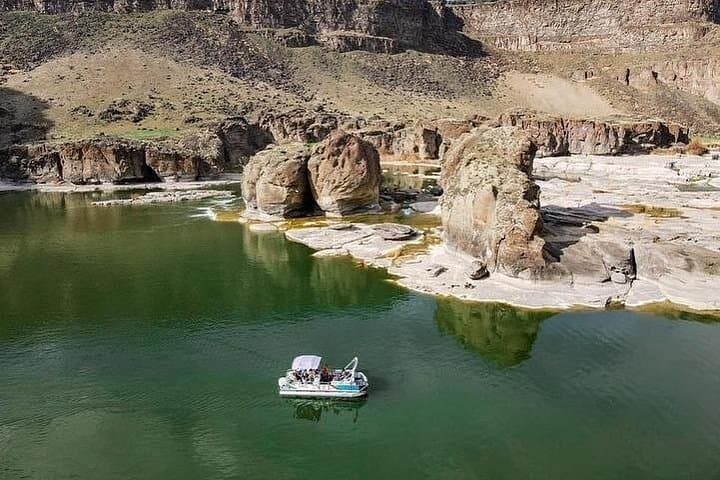
The canyon is geology you can read: columnar basalt shaped by ancient lava flows and sculpted by catastrophic floods at the end of the last Ice Age. Pillar Falls themselves are a local feature of eroded basalt columns and standing rocks, sites that predate the modern town and once guided Shoshone and Northern Paiute seasonal travel. Twin Falls’ riverfront has become both recreational hub and quiet reminder of that layered human and natural history.
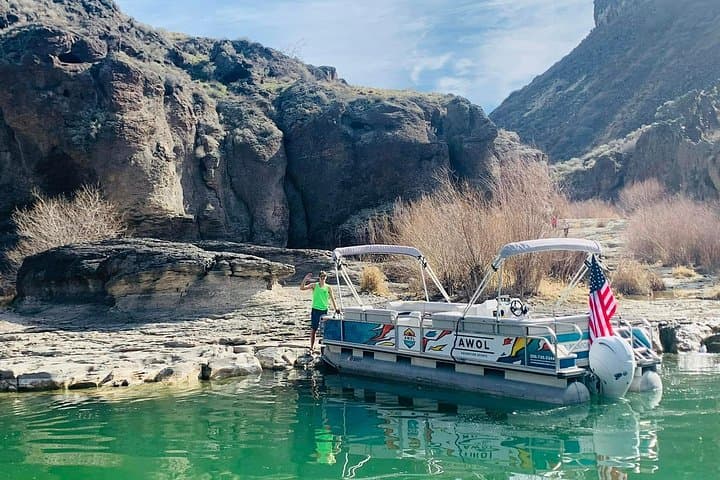
Expect a mix of interpretive narration and open-deck viewing; captains point out potholes, seams in the rock, and prime spots to sight raptors and river otters. In low water months (usually July–August) the crew may allow a short shoreline stop to explore the pillars — bring shoes that grip and a willingness to scramble a little.
Practical: life jackets are provided and crews monitor river conditions; sunscreen, a wind layer, and a secure place for your phone make the trip comfortable. Cameras that can handle spray and wide-angle lenses will capture the scale better than telephoto. If you’re prone to motion sensitivity, sit mid-boat and watch fixed points on the canyon walls to settle your balance.
easy.
70–90 minutes.
Accessible to most people; requires short boarding steps and the ability to remain seated or stand on a moving boat.
Yes — life jackets of all sizes are provided and crew will advise when they must be worn.
Swimming is possible during low-water months in designated areas, but always follow crew guidance about currents and safety.
Tours launch from Centennial Waterfront Park with accessible access; infants may ride in strollers but check with the operator for specific assistance needs.
Often yes — Perrine Bridge is a regular jumping site; sightings depend on jumpers’ schedules and weather conditions.
Snake River Canyon’s cliffs are primarily basalt from ancient lava flows, later carved by Ice Age floods; the Perrine Bridge (a major local landmark) connects community and recreation since its construction in the 1970s.
Stay on marked shorelines during stops and pack out waste; river ecosystems here are sensitive to disturbance and invasive species, so limit shoreline impacts.
AWOL Adventure Sports operates guided outdoor trips and adventures with an emphasis on safety, stewardship, and memorable experiences.
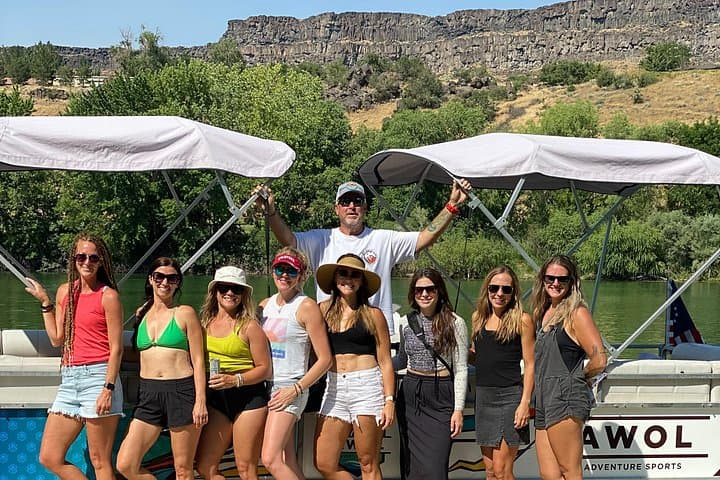
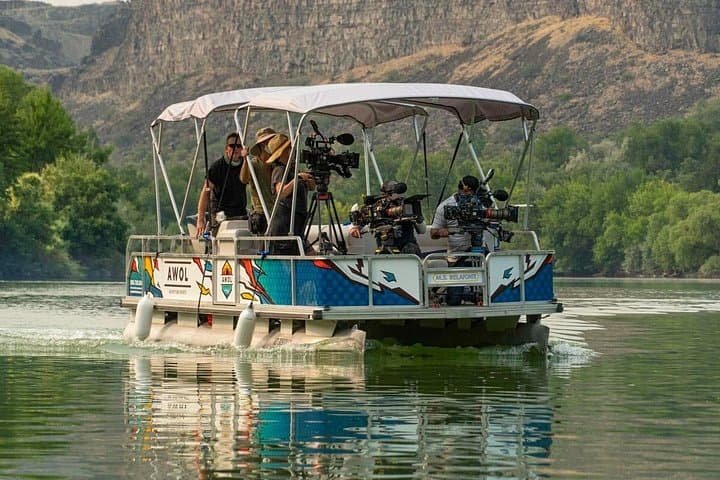
The boat eases away from Centennial Waterfront Park and the canyon walls close in, layered basalt catching late light as the Snake River threads a cool, hissed path beneath the Perrine Bridge. Wind pulls at your jacket; the canyon’s scale makes conversation small. For 70–90 minutes you float past basalt pillars, riffles and the occasional daredevil launching from the bridge — an edge-of-the-seat moment framed by stone.
The boat eases away from Centennial Waterfront Park and the canyon walls close in, layered basalt catching late light as the Snake River threads a cool, hissed path beneath the Perrine Bridge. Wind pulls at your jacket; the canyon’s scale makes conversation small. For 70–90 minutes you float past basalt pillars, riffles and the occasional daredevil launching from the bridge — an edge-of-the-seat moment framed by stone.
The canyon is geology you can read: columnar basalt shaped by ancient lava flows and sculpted by catastrophic floods at the end of the last Ice Age. Pillar Falls themselves are a local feature of eroded basalt columns and standing rocks, sites that predate the modern town and once guided Shoshone and Northern Paiute seasonal travel. Twin Falls’ riverfront has become both recreational hub and quiet reminder of that layered human and natural history.
Expect a mix of interpretive narration and open-deck viewing; captains point out potholes, seams in the rock, and prime spots to sight raptors and river otters. In low water months (usually July–August) the crew may allow a short shoreline stop to explore the pillars — bring shoes that grip and a willingness to scramble a little.
Practical: life jackets are provided and crews monitor river conditions; sunscreen, a wind layer, and a secure place for your phone make the trip comfortable. Cameras that can handle spray and wide-angle lenses will capture the scale better than telephoto. If you’re prone to motion sensitivity, sit mid-boat and watch fixed points on the canyon walls to settle your balance.