THE ADVENTURE COLLECTIVE® · Independent discovery and booking for outdoor travel

Skip the coastal traffic and see Sri Lanka from above: a private air transfer between Colombo and Koggala cuts travel time and offers sweeping views of lagoons, reefs, and colonial coastline. Practical, fast, and scenic, this hop is ideal for travelers transferring to the south coast.
Skip the coastal traffic and see Sri Lanka from above: a private air transfer between Colombo and Koggala cuts travel time and offers sweeping views of lagoons, reefs, and colonial coastline. Practical, fast, and scenic, this hop is ideal for travelers transferring to the south coast.
The rotors kick up a spray of lagoon mist as the coastline slips into a mosaic below — palm-fringed beaches, the dark crescent of Koggala Lagoon, and the distant reef that edges Sri Lanka’s southern shore. An air transfer between Colombo (CMB) and Koggala (KCT) turns hours of traffic into a 40–70 minute flight that feels like a guided flyover of the island’s geology and coastline.
Verified experiences and guided adventures in the surrounding area.
Operated by Lakpura LLC · Koggala, Southern Province
The rotors kick up a spray of lagoon mist as the coastline slips into a mosaic below — palm-fringed beaches, the dark crescent of Koggala Lagoon, and the distant reef that edges Sri Lanka’s southern shore. An air transfer between Colombo (CMB) and Koggala (KCT) turns hours of traffic into a 40–70 minute flight that feels like a guided flyover of the island’s geology and coastline.
This stretch of coast records layers of history: colonial-era forts around Galle, WWII airfields repurposed for civilian hops, and centuries of fishing culture that still sets the rhythm for villages along the shore. Geologically, the coast is a patchwork of coral reef, alluvial beaches and lagoon systems carved by monsoon-driven rivers. From the air those features are easy to read — reefs darken the nearshore band, lagoons hold a muted green, and rice paddies close to the coast reflect the sky.
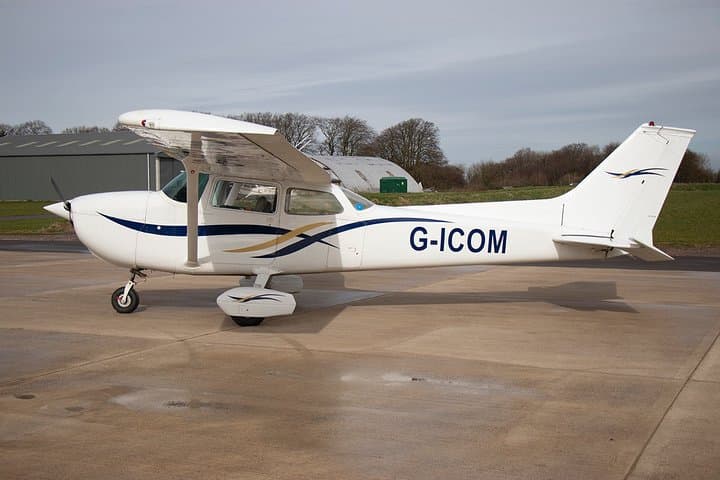
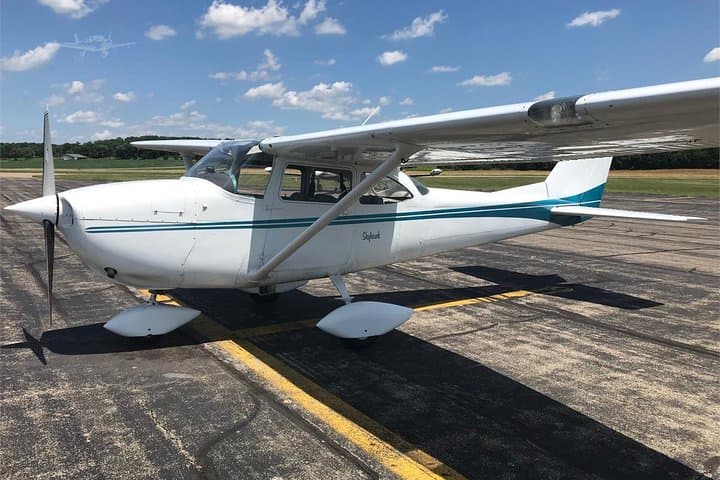
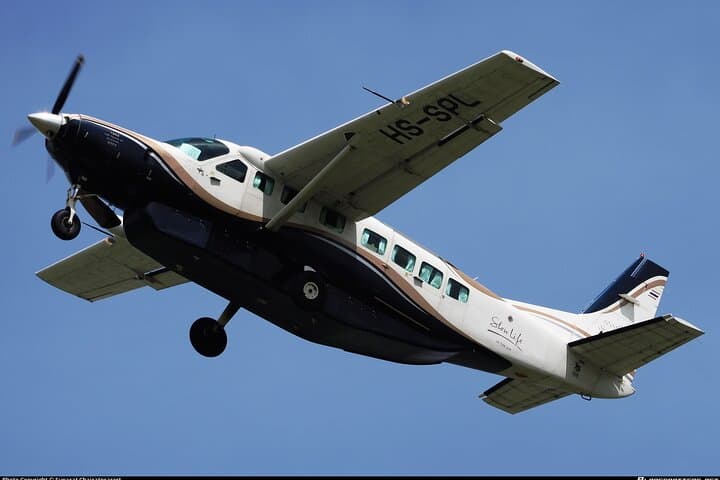
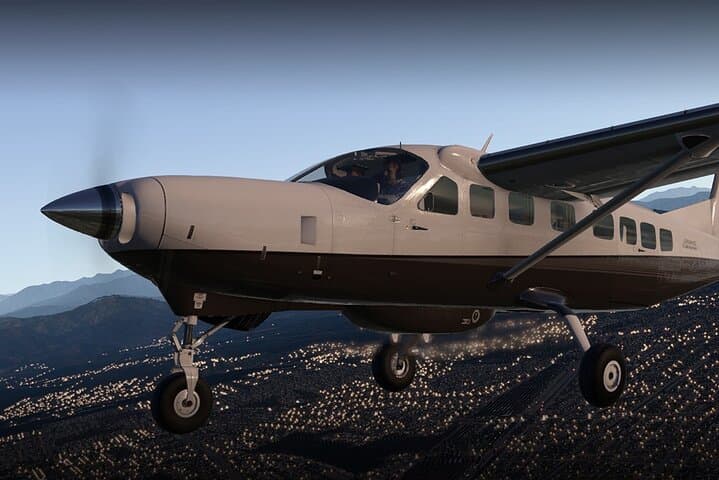
Travelers should expect a short briefing, luggage limits, and an efficient private boarding process; aircraft options range from light fixed-wing planes to helicopters depending on availability. Weather patterns matter: the southwest monsoon brings stronger winds and occasional cancellations between May and September.
Practical tips: arrive with ID and a soft bag that fits weight and size limits, pack sunglasses and ear protection, and build extra time into onward ground transfers. For visitors who value time and a cinematic introduction to Sri Lanka, an aerial transfer is both transport and a compact natural-history lesson — efficient, scenic, and unmistakably airborne.
easy.
1–2 hours.
Minimal fitness required; able to board stairs and follow safety briefing.
Typical flight time is 40–70 minutes depending on aircraft type and routing; allow extra time for check-in and ground transfers.
Domestic charters can often be arranged within 36 hours subject to aircraft and crew availability; international charters typically need at least 72 hours.
Operators monitor weather closely; flights may be delayed or rescheduled—confirm cancellation and refund policies when booking.
Yes—infants are required to sit on an adult’s lap, but confirm any age-specific rules and seatbelt fittings with the operator.
The southern airfields saw military and seaplane activity in WWII; the coastal towns reflect Dutch and British colonial trade routes tied to the spice and cinnamon trades.
Koggala’s lagoon and nearby reefs are sensitive—operators and visitors should avoid low-altitude disturbance over nesting sites and comply with local marine-protection rules.
Lakpura LLC operates guided outdoor trips and adventures with an emphasis on safety, stewardship, and memorable experiences.
The rotors kick up a spray of lagoon mist as the coastline slips into a mosaic below — palm-fringed beaches, the dark crescent of Koggala Lagoon, and the distant reef that edges Sri Lanka’s southern shore. An air transfer between Colombo (CMB) and Koggala (KCT) turns hours of traffic into a 40–70 minute flight that feels like a guided flyover of the island’s geology and coastline.
The rotors kick up a spray of lagoon mist as the coastline slips into a mosaic below — palm-fringed beaches, the dark crescent of Koggala Lagoon, and the distant reef that edges Sri Lanka’s southern shore. An air transfer between Colombo (CMB) and Koggala (KCT) turns hours of traffic into a 40–70 minute flight that feels like a guided flyover of the island’s geology and coastline.
This stretch of coast records layers of history: colonial-era forts around Galle, WWII airfields repurposed for civilian hops, and centuries of fishing culture that still sets the rhythm for villages along the shore. Geologically, the coast is a patchwork of coral reef, alluvial beaches and lagoon systems carved by monsoon-driven rivers. From the air those features are easy to read — reefs darken the nearshore band, lagoons hold a muted green, and rice paddies close to the coast reflect the sky.
Travelers should expect a short briefing, luggage limits, and an efficient private boarding process; aircraft options range from light fixed-wing planes to helicopters depending on availability. Weather patterns matter: the southwest monsoon brings stronger winds and occasional cancellations between May and September.
Practical tips: arrive with ID and a soft bag that fits weight and size limits, pack sunglasses and ear protection, and build extra time into onward ground transfers. For visitors who value time and a cinematic introduction to Sri Lanka, an aerial transfer is both transport and a compact natural-history lesson — efficient, scenic, and unmistakably airborne.