THE ADVENTURE COLLECTIVE® · Independent discovery and booking for outdoor travel

Explore Scarborough’s rock pools at low tide and learn to harvest edible seaweeds before preparing a community-made four-course wild lunch paired with organic drinks. This hands-on coastal foraging workshop mixes practical marine literacy with a memorable meal.
Explore Scarborough’s rock pools at low tide and learn to harvest edible seaweeds before preparing a community-made four-course wild lunch paired with organic drinks. This hands-on coastal foraging workshop mixes practical marine literacy with a memorable meal.
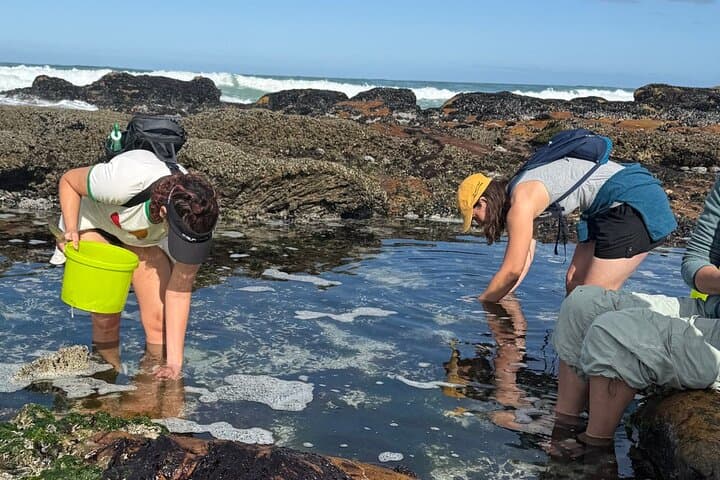
The air tastes of salt and kelp as you step down onto wind-scraped rock pools at Scarborough, the western edge of Cape Point National Park. Low tide opens a network of shallow basins where limpets cling like coins and frilly seaweeds color the stones—this is the workspace for a coastal foraging workshop that ends with a shared four-course lunch.
Verified experiences and guided adventures in the surrounding area.
Operated by sa wild escapes · Scarborough, Western Cape
The air tastes of salt and kelp as you step down onto wind-scraped rock pools at Scarborough, the western edge of Cape Point National Park. Low tide opens a network of shallow basins where limpets cling like coins and frilly seaweeds color the stones—this is the workspace for a coastal foraging workshop that ends with a shared four-course lunch.
Geologically the Cape Peninsula is a study in hard stone and resistant ridges: Table Mountain sandstone and ancient granite create a rugged coastline that funnels waves into sculpted pools. Culturally, the Cape’s shore has long fed local communities; modern foraging borrows from indigenous plant knowledge and contemporary culinary practice to highlight edible seaweeds and seaside herbs.
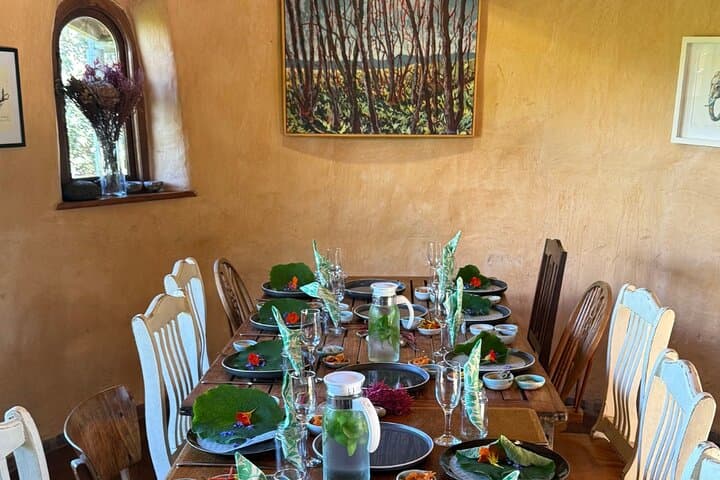
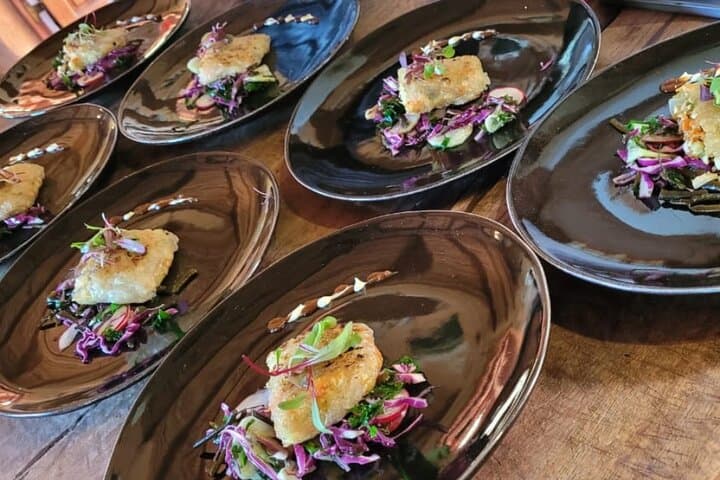
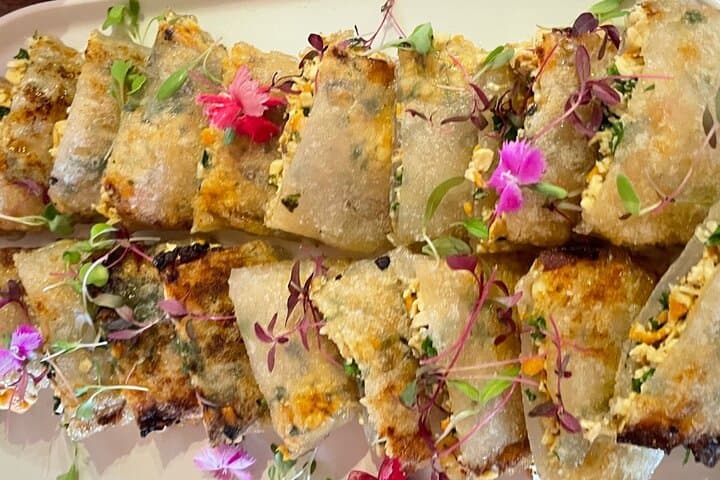
Expect hands-on identification of kelps, nori-like species, and coastal succulents, a guided stroll through an adjacent organic garden, and a communal kitchen where you help prepare the meal. The instructor covers sustainable harvest limits, tide timing, and simple recipes, and you leave with a recipe booklet to practice at home.
Practical notes: tours run at low tide—check tide tables and dress for slippery, uneven rock. Sturdy, closed-toe footwear with good grip and sun protection are essential; cold, windproof layers are useful even in summer. The experience suits anyone with steady balance and curiosity rather than technical skills. Bring a small daypack, bottle for water, and a camera for close-up shots of marine life. This is an accessible, sensory way to connect food and place while learning responsible coastal stewardship.
moderate.
4 hours.
Suitable for people with basic fitness and sure-footedness; involves short walks on uneven, slippery rocks and light food-prep activity.
No—guides teach identification, sustainable harvest techniques, and safe preparation; the activity is designed for beginners.
Older children who can walk on rocky terrain and follow safety guidance are welcome; check age limits with the operator for safety reasons.
Tours may be cancelled for unsafe sea or strong winds; the operator typically offers a refund if cancelled at short notice.
Yes—most operators can adapt dishes for common allergies or preferences if informed at booking; include details when you reserve.
The Cape Peninsula’s shores have long supported coastal communities; contemporary foraging draws on both indigenous plant knowledge and colonial-era culinary traditions.
Guides emphasize sustainable harvest limits and habitat protection—participants are taught to take minimal samples and avoid disturbing breeding birds or algae beds.
sa wild escapes operates guided outdoor trips and adventures with an emphasis on safety, stewardship, and memorable experiences.
The air tastes of salt and kelp as you step down onto wind-scraped rock pools at Scarborough, the western edge of Cape Point National Park. Low tide opens a network of shallow basins where limpets cling like coins and frilly seaweeds color the stones—this is the workspace for a coastal foraging workshop that ends with a shared four-course lunch.
The air tastes of salt and kelp as you step down onto wind-scraped rock pools at Scarborough, the western edge of Cape Point National Park. Low tide opens a network of shallow basins where limpets cling like coins and frilly seaweeds color the stones—this is the workspace for a coastal foraging workshop that ends with a shared four-course lunch.
Geologically the Cape Peninsula is a study in hard stone and resistant ridges: Table Mountain sandstone and ancient granite create a rugged coastline that funnels waves into sculpted pools. Culturally, the Cape’s shore has long fed local communities; modern foraging borrows from indigenous plant knowledge and contemporary culinary practice to highlight edible seaweeds and seaside herbs.
Expect hands-on identification of kelps, nori-like species, and coastal succulents, a guided stroll through an adjacent organic garden, and a communal kitchen where you help prepare the meal. The instructor covers sustainable harvest limits, tide timing, and simple recipes, and you leave with a recipe booklet to practice at home.
Practical notes: tours run at low tide—check tide tables and dress for slippery, uneven rock. Sturdy, closed-toe footwear with good grip and sun protection are essential; cold, windproof layers are useful even in summer. The experience suits anyone with steady balance and curiosity rather than technical skills. Bring a small daypack, bottle for water, and a camera for close-up shots of marine life. This is an accessible, sensory way to connect food and place while learning responsible coastal stewardship.