THE ADVENTURE COLLECTIVE® · Independent discovery and booking for outdoor travel

Spend two hours learning to identify and taste wild edible herbs in southern Sweden. This guided walk pairs plant ID, folk remedies and a finishing herbal tea with homemade cake.
Spend two hours learning to identify and taste wild edible herbs in southern Sweden. This guided walk pairs plant ID, folk remedies and a finishing herbal tea with homemade cake.
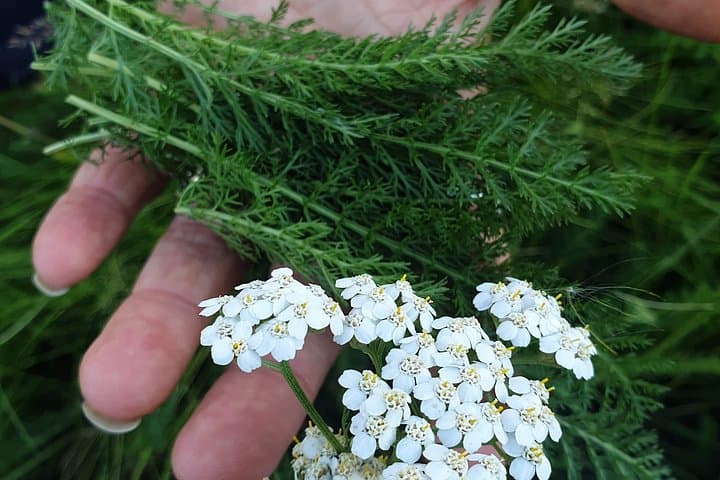
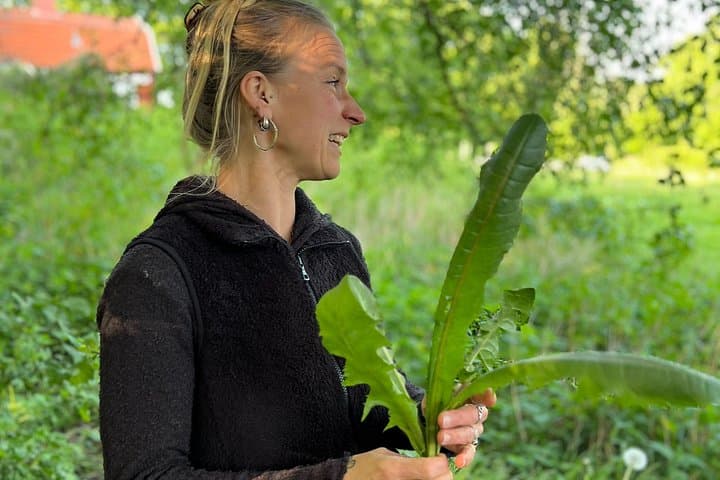
You step out from the last tile-roofed houses into a low forest where the air smells green and sharp—young leaves, crushed moss, lemon-scented herbs underfoot. Morning light filters through birch and pine, and within minutes the guide is crouched over a patch of tiny leaves, inviting you to taste a piece of wild sorrel as if it were an everyday thing.
Verified experiences and guided adventures in the surrounding area.
Operated by Karolines Way of Life · Stockholm, Stockholm County
You step out from the last tile-roofed houses into a low forest where the air smells green and sharp—young leaves, crushed moss, lemon-scented herbs underfoot. Morning light filters through birch and pine, and within minutes the guide is crouched over a patch of tiny leaves, inviting you to taste a piece of wild sorrel as if it were an everyday thing.
This two-hour herb walk (April–September) is set in typical southern Swedish terrain shaped by the last ice age: shallow soils over granite, scattered glacial erratics, and pockets of nutrient-rich meadow where edible plants concentrate. Foraging in Sweden leans on the long-standing cultural right of allemansrätten—public access that encourages respectful use of the land—and on a folk-herbal tradition that made use of common plants for teas, wound care and seasonal remedies.
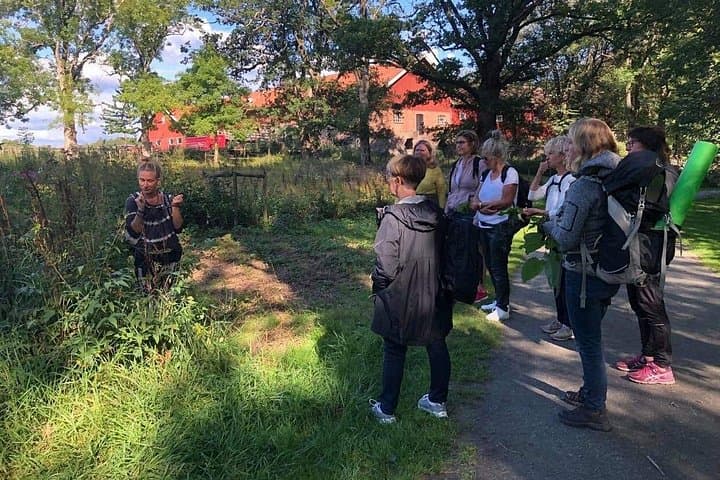
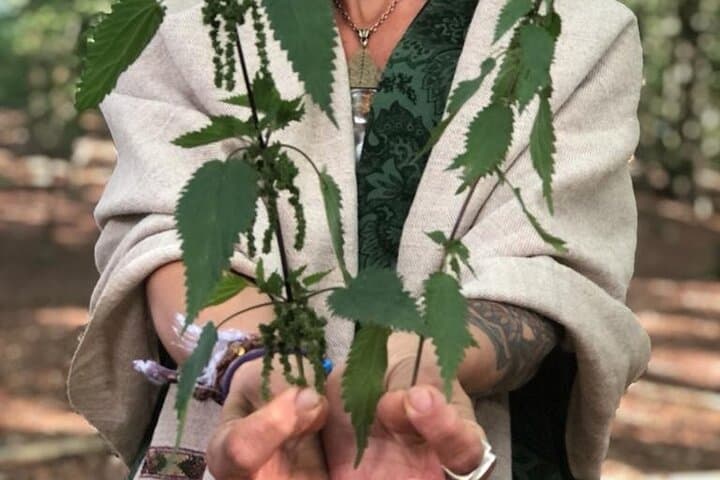
Expect a relaxed, interpretive stroll rather than a strenuous hike; the route moves through easy paths, field edges and low-lying forest. Along the way the guide points out medicinal uses, identification tips, and safety notes; the walk finishes with a steaming cup of herbal tea and a slice of homemade cake flavored with whatever seasonal herb was abundant that day.
Practical pointers: wear sturdy shoes for mixed damp substrates, dress in layers for quick temperature shifts, and bring a small notebook or camera. The tour suits families and visitors staying in Stockholm who want a compact immersion into Scandinavia’s edible undergrowth without a long hike.
easy.
2 hours.
Light physical condition; able to walk on uneven ground for two hours with occasional pauses
No—the guide teaches basic identification and safety; the walk is designed for beginners.
Guides point out safe, common herbs and limit tasting to well-known species; if unsure, follow the guide’s advice and avoid taking larger portions.
Yes—terrain is generally gentle and organizers note that infants and small children can use a pram or stroller.
Most participants travel by regional bus or commuter rail to a nearby stop; the tour description lists public transport options and exact meeting details after booking.
Foraging ties into Sweden’s allemansrätten (everyman’s right), a legal and cultural tradition that grants public access to nature while emphasizing stewardship.
Collect sparingly and avoid rare species; follow guide instructions to minimize trampling and leave most plants for wildlife and other foragers.
Karolines Way of Life operates guided outdoor trips and adventures with an emphasis on safety, stewardship, and memorable experiences.
You step out from the last tile-roofed houses into a low forest where the air smells green and sharp—young leaves, crushed moss, lemon-scented herbs underfoot. Morning light filters through birch and pine, and within minutes the guide is crouched over a patch of tiny leaves, inviting you to taste a piece of wild sorrel as if it were an everyday thing.
You step out from the last tile-roofed houses into a low forest where the air smells green and sharp—young leaves, crushed moss, lemon-scented herbs underfoot. Morning light filters through birch and pine, and within minutes the guide is crouched over a patch of tiny leaves, inviting you to taste a piece of wild sorrel as if it were an everyday thing.
This two-hour herb walk (April–September) is set in typical southern Swedish terrain shaped by the last ice age: shallow soils over granite, scattered glacial erratics, and pockets of nutrient-rich meadow where edible plants concentrate. Foraging in Sweden leans on the long-standing cultural right of allemansrätten—public access that encourages respectful use of the land—and on a folk-herbal tradition that made use of common plants for teas, wound care and seasonal remedies.
Expect a relaxed, interpretive stroll rather than a strenuous hike; the route moves through easy paths, field edges and low-lying forest. Along the way the guide points out medicinal uses, identification tips, and safety notes; the walk finishes with a steaming cup of herbal tea and a slice of homemade cake flavored with whatever seasonal herb was abundant that day.
Practical pointers: wear sturdy shoes for mixed damp substrates, dress in layers for quick temperature shifts, and bring a small notebook or camera. The tour suits families and visitors staying in Stockholm who want a compact immersion into Scandinavia’s edible undergrowth without a long hike.