THE ADVENTURE COLLECTIVE® · Independent discovery and booking for outdoor travel

Step onto one of Norway’s tallest indoor walls at the Norsk Tindesenter in Åndalsnes. This one-hour intro session is tailored for beginners and families—gear is included and instructors keep groups small for hands-on coaching.
Step onto one of Norway’s tallest indoor walls at the Norsk Tindesenter in Åndalsnes. This one-hour intro session is tailored for beginners and families—gear is included and instructors keep groups small for hands-on coaching.
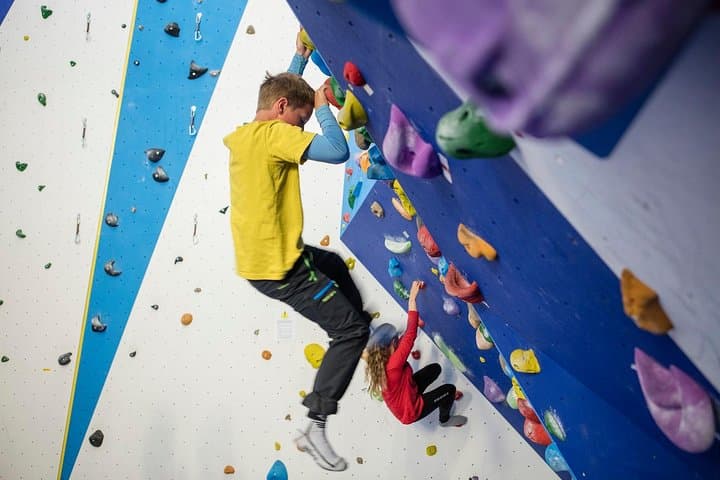
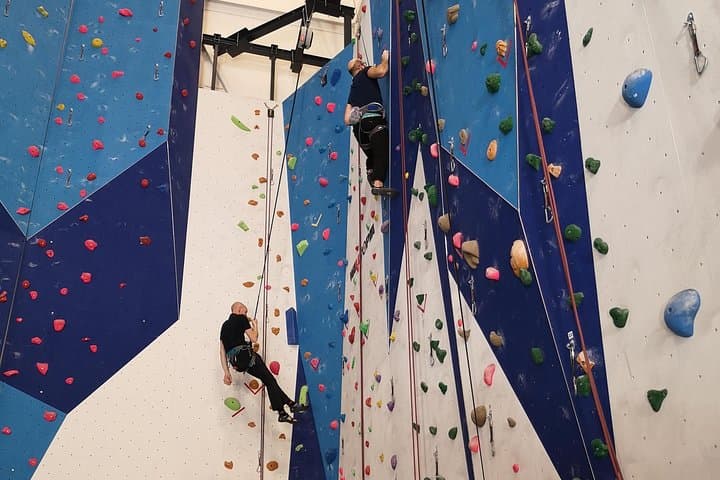
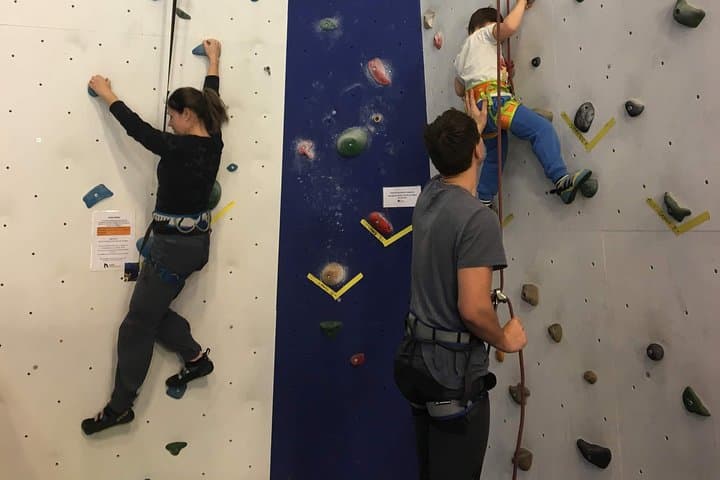
The first step onto the rubber mat feels like stepping into a different kind of mountain. Inside the Norwegian Mountaineering Centre (Norsk Tindesenter) in Åndalsnes, wind and fjord are swapped for chalk dust, color-coded routes and a wall that challenges the eye more than the weather. A group of six gathers—families, travelers with backpacks, a teenager on school break—and an instructor lays out the plan: knots, belays, easy routes first. The wall looms above, patient and exacting, daring each climber to test balance, reach and calm.
Verified experiences and guided adventures in the surrounding area.
Operated by Norwegian Mountaineering Centre - Norsk Tindesenter · Åndalsnes, Møre og Romsdal
The first step onto the rubber mat feels like stepping into a different kind of mountain. Inside the Norwegian Mountaineering Centre (Norsk Tindesenter) in Åndalsnes, wind and fjord are swapped for chalk dust, color-coded routes and a wall that challenges the eye more than the weather. A group of six gathers—families, travelers with backpacks, a teenager on school break—and an instructor lays out the plan: knots, belays, easy routes first. The wall looms above, patient and exacting, daring each climber to test balance, reach and calm.
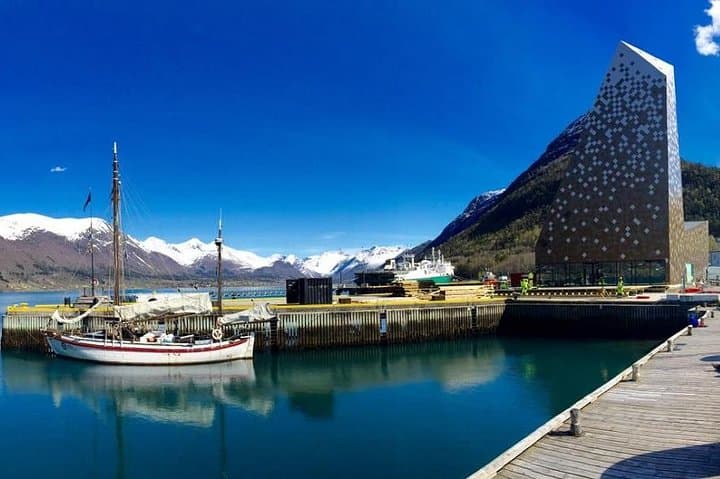
Åndalsnes sits at the mouth of Romsdalen, a valley carved by glaciers and the Rauma River. The Mountaineering Centre was built as both a training space and a museum of Norway’s alpine history; its exhibits recall the early ascents of the Troll Wall and the local guides who taught generations how to read rock and weather. The indoor wall is part pedagogical tool, part playground—engineered holds and overhangs that mimic the cracks and ledges of the surrounding peaks.
The geology of the region—hard gneiss and granite—shapes the climbing culture here. Routes indoors are set to mirror that rough, frictional rock: slabby footwork, pockets that demand precision, and roofs that test core strength. Outside, the Rauma valley drops quickly to the fjord; inside, climbers practice controlled falls and safe descents before stepping back into the wild.
Practicalities matter. Sessions run an hour and are geared for first-timers: no experience required, equipment provided, and groups capped small so instructors give individual attention. Arrive 10–15 minutes early to sign waivers and warm up, and bring sleeves you can roll up—cotton and loose trousers restrict movement. The centre is wheelchair accessible and near the Åndalsnes station; if you drive, long‑term parking at Viktoria opposite the railway station is free.
For photographers and curious travelers, combine a session with a short walk to Rampestreken viewpoint for a classic fjord shot, or ride the Rauma Railway for scenic panoramas. Climbers who want more can continue on the bouldering wall after their hour or consult staff about guided outdoor routes in Romsdalen.
This is an anthem for low-pressure progression: a place to climb without previous experience, to understand rope systems in a controlled setting, and to witness how a small Norwegian town turns granite landscape into a culture of movement. Whether kids are there to jump and grin or adults are there to conquer a first lead, the wall offers a clear, practical path from hesitation to height.
easy.
1 hour.
Suitable for beginners and families; basic mobility and balance required
No—this is an intro taster designed for people of all experience levels; instructors teach basics like knots and belaying.
Yes—harnesses, ropes and basic climbing equipment are included; you may rent shoes if needed.
Groups are small, typically up to six participants, which allows for individualized coaching.
Yes—sessions are family-friendly; check age restrictions when booking and inform staff of any special requirements.
Yes—the Norwegian Mountaineering Centre and its facilities are wheelchair accessible; inform staff ahead if you need assistance.
Free long‑term parking is available at Viktoria opposite the railway station (Isfjordvegen); the centre is a short 3-minute walk from there.
Åndalsnes has long been a gateway for Norwegian alpinism; the area’s guides and early ascents of the Troll Wall shaped a national climbing tradition.
The centre promotes low-impact training and advises climbers to use established routes outside; visitors are asked to carry out waste and avoid disturbing sensitive alpine vegetation.
Norwegian Mountaineering Centre - Norsk Tindesenter operates guided outdoor trips and adventures with an emphasis on safety, stewardship, and memorable experiences.
The first step onto the rubber mat feels like stepping into a different kind of mountain. Inside the Norwegian Mountaineering Centre (Norsk Tindesenter) in Åndalsnes, wind and fjord are swapped for chalk dust, color-coded routes and a wall that challenges the eye more than the weather. A group of six gathers—families, travelers with backpacks, a teenager on school break—and an instructor lays out the plan: knots, belays, easy routes first. The wall looms above, patient and exacting, daring each climber to test balance, reach and calm.
The first step onto the rubber mat feels like stepping into a different kind of mountain. Inside the Norwegian Mountaineering Centre (Norsk Tindesenter) in Åndalsnes, wind and fjord are swapped for chalk dust, color-coded routes and a wall that challenges the eye more than the weather. A group of six gathers—families, travelers with backpacks, a teenager on school break—and an instructor lays out the plan: knots, belays, easy routes first. The wall looms above, patient and exacting, daring each climber to test balance, reach and calm.
Åndalsnes sits at the mouth of Romsdalen, a valley carved by glaciers and the Rauma River. The Mountaineering Centre was built as both a training space and a museum of Norway’s alpine history; its exhibits recall the early ascents of the Troll Wall and the local guides who taught generations how to read rock and weather. The indoor wall is part pedagogical tool, part playground—engineered holds and overhangs that mimic the cracks and ledges of the surrounding peaks.
The geology of the region—hard gneiss and granite—shapes the climbing culture here. Routes indoors are set to mirror that rough, frictional rock: slabby footwork, pockets that demand precision, and roofs that test core strength. Outside, the Rauma valley drops quickly to the fjord; inside, climbers practice controlled falls and safe descents before stepping back into the wild.
Practicalities matter. Sessions run an hour and are geared for first-timers: no experience required, equipment provided, and groups capped small so instructors give individual attention. Arrive 10–15 minutes early to sign waivers and warm up, and bring sleeves you can roll up—cotton and loose trousers restrict movement. The centre is wheelchair accessible and near the Åndalsnes station; if you drive, long‑term parking at Viktoria opposite the railway station is free.
For photographers and curious travelers, combine a session with a short walk to Rampestreken viewpoint for a classic fjord shot, or ride the Rauma Railway for scenic panoramas. Climbers who want more can continue on the bouldering wall after their hour or consult staff about guided outdoor routes in Romsdalen.
This is an anthem for low-pressure progression: a place to climb without previous experience, to understand rope systems in a controlled setting, and to witness how a small Norwegian town turns granite landscape into a culture of movement. Whether kids are there to jump and grin or adults are there to conquer a first lead, the wall offers a clear, practical path from hesitation to height.