THE ADVENTURE COLLECTIVE® · Independent discovery and booking for outdoor travel

Three nights of exclusive bush camping in Savuti place you at the edge of a shifting marsh where game congregates and predators hunt. Expect twice-daily drives, rock paintings, mokoro or boat options and intimate, guide-led safaris.
Three nights of exclusive bush camping in Savuti place you at the edge of a shifting marsh where game congregates and predators hunt. Expect twice-daily drives, rock paintings, mokoro or boat options and intimate, guide-led safaris.
A dry wind lifts dust from the track as the safari vehicle pushes away from the riverine mosaic of the Linyanti and into Savuti’s wide-open scrub. Morning drives catch the marsh’s memory—patches of alkali flats and grassy pans that either gleam silver with water or crack into rust-brown in drought. At dusk the camp’s small canvas tents sit compact and private, while a guide’s silhouette studies spoor by the firelight.
Verified experiences and guided adventures in the surrounding area.
Operated by Afrinature Safaris · Kasane, Chobe District
A dry wind lifts dust from the track as the safari vehicle pushes away from the riverine mosaic of the Linyanti and into Savuti’s wide-open scrub. Morning drives catch the marsh’s memory—patches of alkali flats and grassy pans that either gleam silver with water or crack into rust-brown in drought. At dusk the camp’s small canvas tents sit compact and private, while a guide’s silhouette studies spoor by the firelight.
Savuti’s landscape is shaped by an unpredictable channel whose flow has switched on and off over decades, changing where game congregates and where predators hunt. The area holds evidence of early human presence in rock paintings and oral histories from local communities; today guides combine natural history with cultural notes about the region’s riverine people.
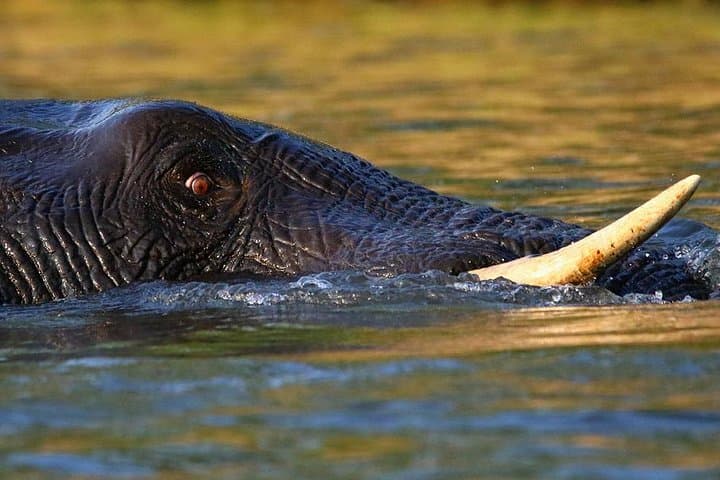
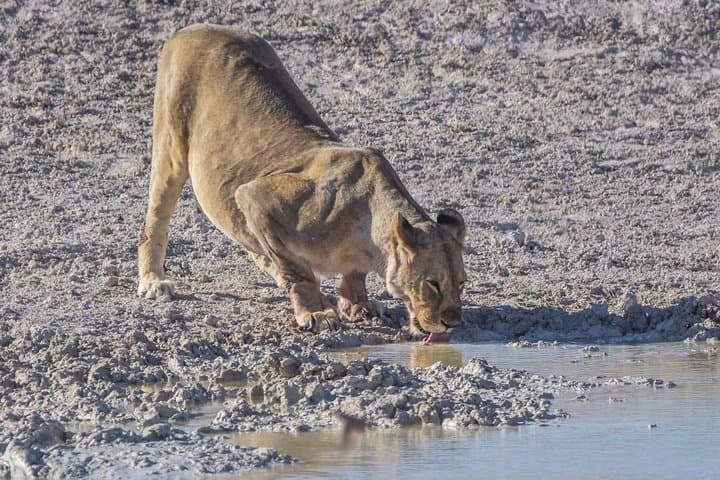
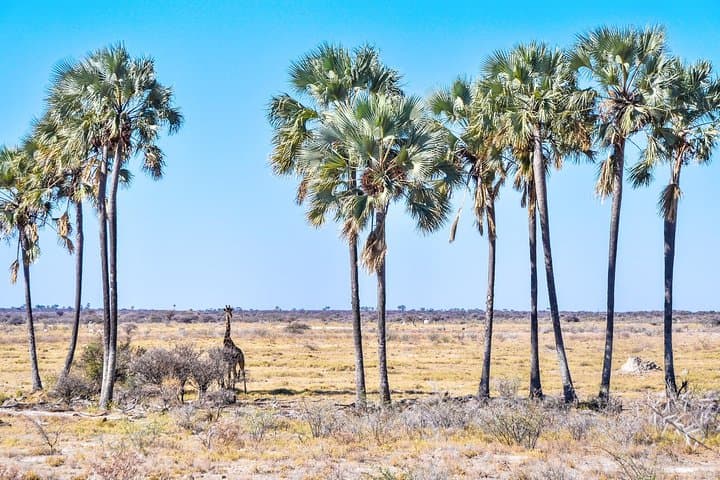
Days here are practical and deliberate: twice-daily game drives into the marsh, a visit to rock paintings and optional mokoro or boat rides where water remains. Expect long drives across sandy tracks, open savanna, and dense riverine thickets; the terrain will test low-clearance vehicles but rewards with close views of elephant herds, lion prides, and large bird concentrations.
Plan for heat by day and sharp cold at night, treat water as essential, and follow your guide’s instructions around animals—this is remote bush camping, not glamping. Bring binoculars, closed shoes, sun protection, and a compact headlamp. The trip balances patient observation with sudden wildlife theater: the marsh calls you forward, the guide keeps you safe.
moderate.
4 days (3 nights).
Suitable for people with reasonable mobility who can manage uneven ground, bumpy vehicle rides and short walks; not strenuous.
Savuti is remote; transfers from Kasane are multi-hour drives depending on roads and river conditions—expect a morning transfer to camp and a midday return on departure day.
Yes; the trip includes breakfasts, lunches and dinners, snacks, water, camping equipment and a professional guide as listed in the inclusions.
The tour notes suitability for a wide range of fitness levels, but canvas camp and uneven terrain may be challenging for some—check pickup accessibility and communicate special needs when booking.
Savuti is known for large elephant herds, prides of lions, and diverse birdlife; sightings are never guaranteed but the area’s predator-prey dynamics make sightings likely, especially in the dry season.
Savuti’s human history appears in rock art and oral traditions; the channel’s shifting flow has long dictated where people and animals settled and traveled.
Savuti sits within Chobe National Park’s protected landscape—travel impacts are reduced by following guide rules, minimizing campfire waste and avoiding off-track driving.
Afrinature Safaris operates guided outdoor trips and adventures with an emphasis on safety, stewardship, and memorable experiences.
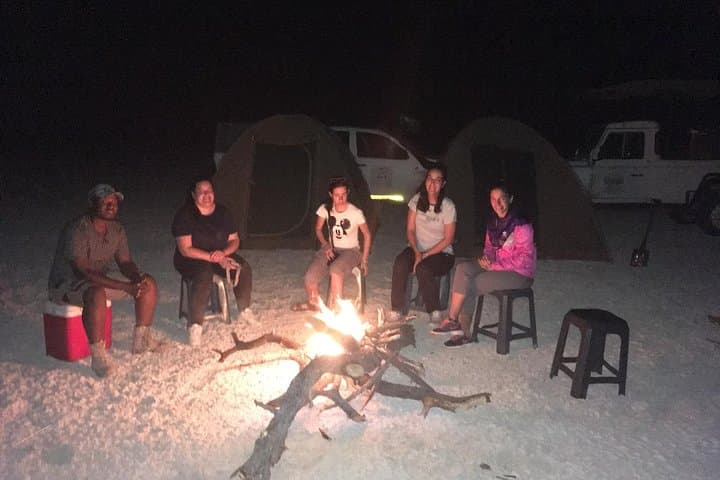
A dry wind lifts dust from the track as the safari vehicle pushes away from the riverine mosaic of the Linyanti and into Savuti’s wide-open scrub. Morning drives catch the marsh’s memory—patches of alkali flats and grassy pans that either gleam silver with water or crack into rust-brown in drought. At dusk the camp’s small canvas tents sit compact and private, while a guide’s silhouette studies spoor by the firelight.
A dry wind lifts dust from the track as the safari vehicle pushes away from the riverine mosaic of the Linyanti and into Savuti’s wide-open scrub. Morning drives catch the marsh’s memory—patches of alkali flats and grassy pans that either gleam silver with water or crack into rust-brown in drought. At dusk the camp’s small canvas tents sit compact and private, while a guide’s silhouette studies spoor by the firelight.
Savuti’s landscape is shaped by an unpredictable channel whose flow has switched on and off over decades, changing where game congregates and where predators hunt. The area holds evidence of early human presence in rock paintings and oral histories from local communities; today guides combine natural history with cultural notes about the region’s riverine people.
Days here are practical and deliberate: twice-daily game drives into the marsh, a visit to rock paintings and optional mokoro or boat rides where water remains. Expect long drives across sandy tracks, open savanna, and dense riverine thickets; the terrain will test low-clearance vehicles but rewards with close views of elephant herds, lion prides, and large bird concentrations.
Plan for heat by day and sharp cold at night, treat water as essential, and follow your guide’s instructions around animals—this is remote bush camping, not glamping. Bring binoculars, closed shoes, sun protection, and a compact headlamp. The trip balances patient observation with sudden wildlife theater: the marsh calls you forward, the guide keeps you safe.