THE ADVENTURE COLLECTIVE® · Independent discovery and booking for outdoor travel

Join a four-day volunteer program in La Guajira that pairs hands-on veterinary support with cultural exchange alongside the Wayuu. Expect field clinics, community workshops, and evenings at Casa Anawa where rescued animals and coastal sunsets shape the day.
Join a four-day volunteer program in La Guajira that pairs hands-on veterinary support with cultural exchange alongside the Wayuu. Expect field clinics, community workshops, and evenings at Casa Anawa where rescued animals and coastal sunsets shape the day.
You arrive in Riohacha to a wind that seems to push stories along the shoreline — dry, warm, and insistent. The first night at Casa Anawa introduces you to rescued dogs sprawled on sun-warmed tiles and volunteers comparing notes over simple meals. The next mornings are spent on the Wellbeing Route: field veterinary care in remote Wayuu communities, basic first-aid for animals, and learning to stabilize and transport strays through dusty tracks that slope toward the Caribbean.
Verified experiences and guided adventures in the surrounding area.
Operated by Anawa Project · Riohacha, La Guajira
You arrive in Riohacha to a wind that seems to push stories along the shoreline — dry, warm, and insistent. The first night at Casa Anawa introduces you to rescued dogs sprawled on sun-warmed tiles and volunteers comparing notes over simple meals. The next mornings are spent on the Wellbeing Route: field veterinary care in remote Wayuu communities, basic first-aid for animals, and learning to stabilize and transport strays through dusty tracks that slope toward the Caribbean.
La Guajira sits at the northern edge of South America where desert meets sea. The peninsula’s wind-sculpted dunes and salt flats speak to a long human history: the Wayuu people have lived here for centuries, sustaining a distinct language, weaving craft traditions, and adapting livelihoods to scarce water and abundant sun. Geologically, the region is coastal plain and arid steppe underlain by sedimentary deposits; its ecology supports coastal birds and hardy desert flora.
Practically, expect hands-on days with an experienced veterinary team, workshops for Wayuu children, and transport between small communities and Mayapo beach for sunset gatherings. Accommodations at Casa Anawa are basic but comfortable with A/C and Wi‑Fi. Meals are provided as described; pack sun protection, sturdy shoes for sand and village tracks, and a refillable water bottle. Respect local customs: ask before photographing people and follow guides’ directions during medical tasks. Your booking supports the foundation directly, making this both an active travel experience and a purposeful contribution to animal welfare in a fragile coastal desert setting.
easy.
4 days (approx. 96 hours).
Light physical condition required: comfortable standing, walking short distances on sand and uneven paths, and basic handling tasks.
No — the program includes training and you’ll work under experienced veterinary staff; willingness to learn and follow instructions is essential.
Yes; Casa Anawa lodging, breakfast each day, and two lunches are included as listed in the itinerary.
The activity is suitable for most ages but it is not recommended for pregnant travelers; check organizer guidance for minors and vaccination requirements.
Proceeds support the nonprofit foundation’s rescue and welfare programs; funds go toward veterinary supplies, community workshops, and shelter operations.
The Wayuu people are the predominant indigenous group here; their matrilineal clans and artisanal weaving have shaped social life on the peninsula for generations.
La Guajira’s desert-coastal ecosystems are fragile and water-scarce; the project emphasizes low-impact visits and supports local animal welfare to reduce human–animal conflict.
Anawa Project operates guided outdoor trips and adventures with an emphasis on safety, stewardship, and memorable experiences.
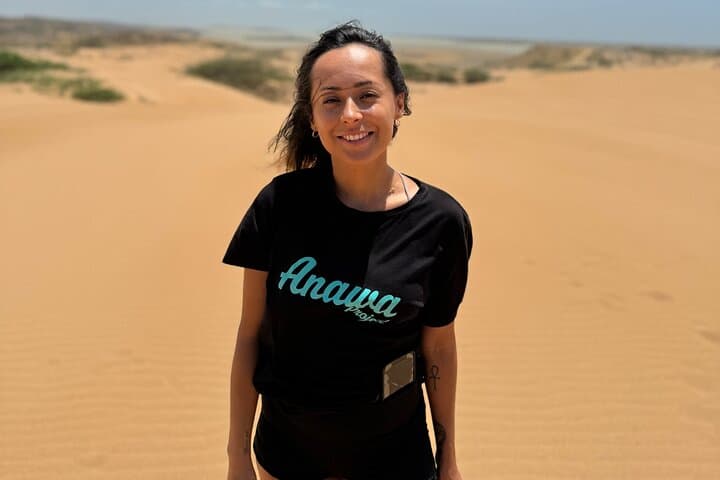
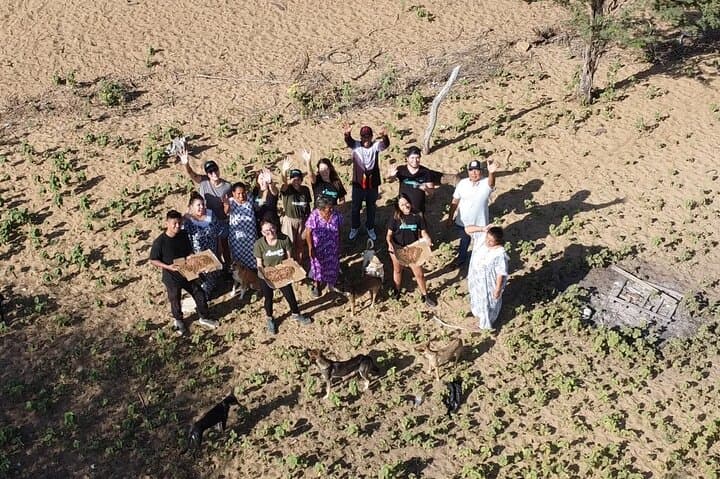
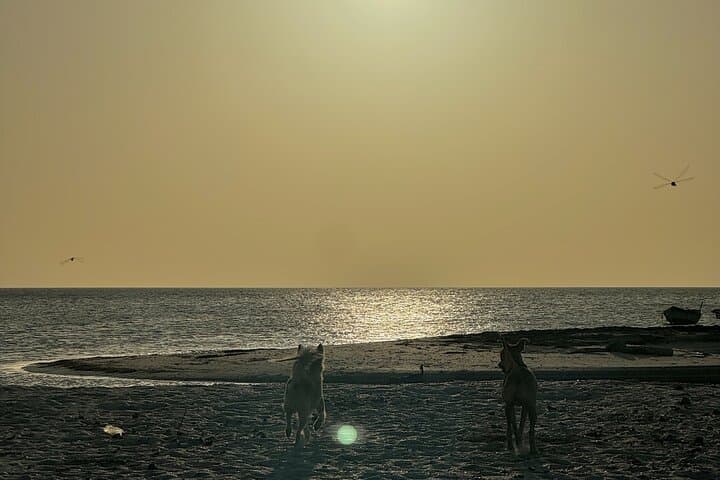
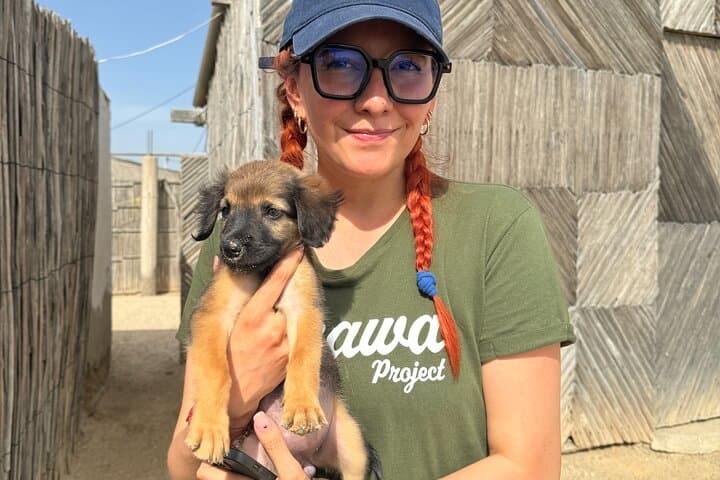
You arrive in Riohacha to a wind that seems to push stories along the shoreline — dry, warm, and insistent. The first night at Casa Anawa introduces you to rescued dogs sprawled on sun-warmed tiles and volunteers comparing notes over simple meals. The next mornings are spent on the Wellbeing Route: field veterinary care in remote Wayuu communities, basic first-aid for animals, and learning to stabilize and transport strays through dusty tracks that slope toward the Caribbean.
You arrive in Riohacha to a wind that seems to push stories along the shoreline — dry, warm, and insistent. The first night at Casa Anawa introduces you to rescued dogs sprawled on sun-warmed tiles and volunteers comparing notes over simple meals. The next mornings are spent on the Wellbeing Route: field veterinary care in remote Wayuu communities, basic first-aid for animals, and learning to stabilize and transport strays through dusty tracks that slope toward the Caribbean.
La Guajira sits at the northern edge of South America where desert meets sea. The peninsula’s wind-sculpted dunes and salt flats speak to a long human history: the Wayuu people have lived here for centuries, sustaining a distinct language, weaving craft traditions, and adapting livelihoods to scarce water and abundant sun. Geologically, the region is coastal plain and arid steppe underlain by sedimentary deposits; its ecology supports coastal birds and hardy desert flora.
Practically, expect hands-on days with an experienced veterinary team, workshops for Wayuu children, and transport between small communities and Mayapo beach for sunset gatherings. Accommodations at Casa Anawa are basic but comfortable with A/C and Wi‑Fi. Meals are provided as described; pack sun protection, sturdy shoes for sand and village tracks, and a refillable water bottle. Respect local customs: ask before photographing people and follow guides’ directions during medical tasks. Your booking supports the foundation directly, making this both an active travel experience and a purposeful contribution to animal welfare in a fragile coastal desert setting.