THE ADVENTURE COLLECTIVE® · Independent discovery and booking for outdoor travel

A fact-based evening walking tour through Savannah’s Historic District that focuses on documented duels, murders and cemetery history rather than ghost stories. Two hours of measured storytelling across brick streets and colonial squares.
A fact-based evening walking tour through Savannah’s Historic District that focuses on documented duels, murders and cemetery history rather than ghost stories. Two hours of measured storytelling across brick streets and colonial squares.
The lamps along Savannah’s historic squares throw long, deliberate shadows as a small group gathers at Oglethorpe’s Bench. The guide’s voice cuts through the hush: measured, evidence-led, intent on tracing real crimes, duels and deaths rather than invented hauntings. As the tour moves down brick sidewalks and across cobblestone alleys, the city itself feels like a character—streets that remember arguments, buildings that keep records of violence and repair.
Verified experiences and guided adventures in the surrounding area.
Operated by Savannah True History Tours · Savannah, Georgia
The lamps along Savannah’s historic squares throw long, deliberate shadows as a small group gathers at Oglethorpe’s Bench. The guide’s voice cuts through the hush: measured, evidence-led, intent on tracing real crimes, duels and deaths rather than invented hauntings. As the tour moves down brick sidewalks and across cobblestone alleys, the city itself feels like a character—streets that remember arguments, buildings that keep records of violence and repair.
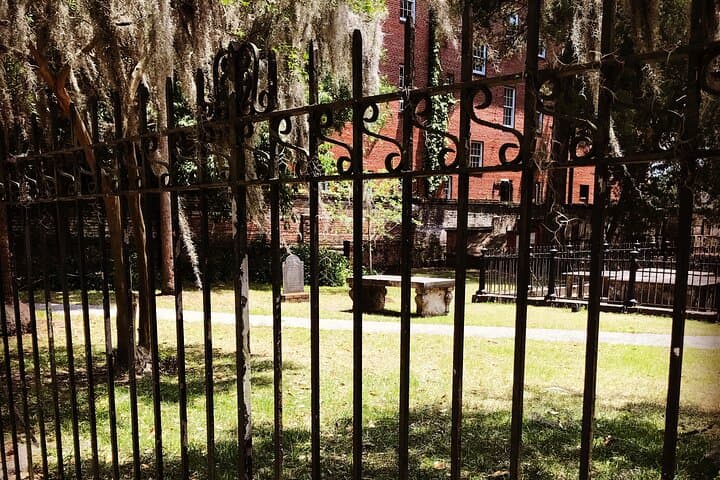
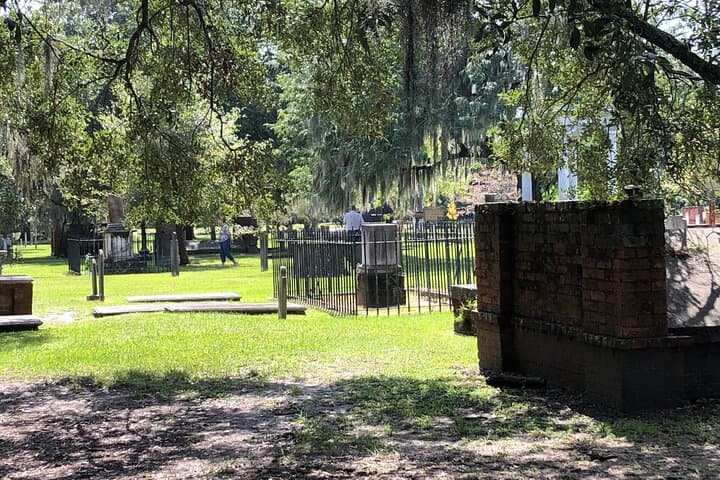
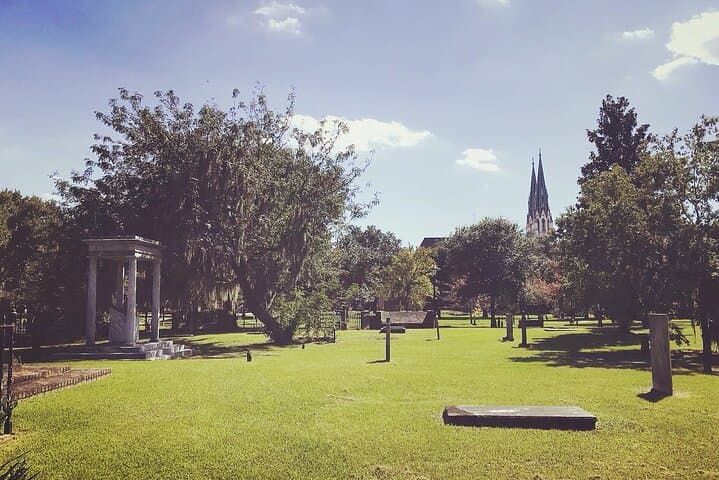
Savannah’s grid of public squares and coastal plain geology shaped its early settlement: tidal rivers carving trade routes, sandy soils dictating where graves could be dug. The walk passes Colonial Park Cemetery, a Revolutionary War casualty site, and a handful of mercantile addresses tied to duels and early murders; the guide ties these spots to documented records and newspaper archives. You’ll hear how indigenous allies influenced the colony’s survival, how Civil War strain scarred the town, and how a high-profile 20th-century killing helped push Savannah into the tourist era.
The practical side is simple: this is a two-hour evening walking tour across mostly flat but uneven surfaces—expect brick, flagstone and occasional steps. Wear sturdy shoes, bring water and a light jacket for coastal breezes. Photography is allowed; be respectful at cemeteries and private properties. The tour balances close-reading of historical documents with on-street orientation, making it a compact way to understand Savannah’s darker past without sensationalism.
For anyone wanting context before dusk, arrive early to scan old maps at the Savannah Visitors Center and let the river’s tide sound the city’s slow pulse as you walk.
moderate.
2 hours.
Suitable for people who can walk 1.5–3 miles on uneven surfaces and stand for periods; not highly strenuous but requires steady mobility.
No—this tour is strictly fact-based and focuses on documented events, court records and historical sources rather than supernatural claims.
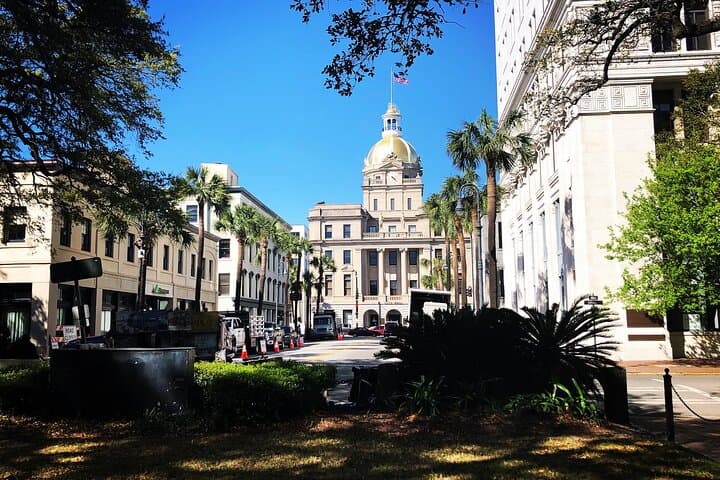
The tour meets at the small park around Oglethorpe’s Bench and concludes near Mercer House at Monterey Square; both are in Savannah’s Historic District.
The operator lists the tour as wheelchair and stroller accessible, but attendees should expect some uneven pavement and should check with the guide in advance about specific mobility needs.
Full refunds are available if you cancel at least 24 hours before departure; check your booking for specifics and weather-related cancellations.
Savannah’s square system was laid out by General James Oglethorpe in 1733; its public squares and burial grounds reflect colonial planning and the city’s mercantile role in the Atlantic world.
Historic District preservation depends on responsible tourism—stick to marked paths, avoid touching grave markers and support local conservation groups that maintain squares and cemeteries.
Savannah True History Tours operates guided outdoor trips and adventures with an emphasis on safety, stewardship, and memorable experiences.
The lamps along Savannah’s historic squares throw long, deliberate shadows as a small group gathers at Oglethorpe’s Bench. The guide’s voice cuts through the hush: measured, evidence-led, intent on tracing real crimes, duels and deaths rather than invented hauntings. As the tour moves down brick sidewalks and across cobblestone alleys, the city itself feels like a character—streets that remember arguments, buildings that keep records of violence and repair.
The lamps along Savannah’s historic squares throw long, deliberate shadows as a small group gathers at Oglethorpe’s Bench. The guide’s voice cuts through the hush: measured, evidence-led, intent on tracing real crimes, duels and deaths rather than invented hauntings. As the tour moves down brick sidewalks and across cobblestone alleys, the city itself feels like a character—streets that remember arguments, buildings that keep records of violence and repair.
Savannah’s grid of public squares and coastal plain geology shaped its early settlement: tidal rivers carving trade routes, sandy soils dictating where graves could be dug. The walk passes Colonial Park Cemetery, a Revolutionary War casualty site, and a handful of mercantile addresses tied to duels and early murders; the guide ties these spots to documented records and newspaper archives. You’ll hear how indigenous allies influenced the colony’s survival, how Civil War strain scarred the town, and how a high-profile 20th-century killing helped push Savannah into the tourist era.
The practical side is simple: this is a two-hour evening walking tour across mostly flat but uneven surfaces—expect brick, flagstone and occasional steps. Wear sturdy shoes, bring water and a light jacket for coastal breezes. Photography is allowed; be respectful at cemeteries and private properties. The tour balances close-reading of historical documents with on-street orientation, making it a compact way to understand Savannah’s darker past without sensationalism.
For anyone wanting context before dusk, arrive early to scan old maps at the Savannah Visitors Center and let the river’s tide sound the city’s slow pulse as you walk.