THE ADVENTURE COLLECTIVE® · Independent discovery and booking for outdoor travel

Step into Savannah’s Historic District and walk past antebellum mansions, wrought-iron balconies, and tree-lined squares while a guide connects architecture to the city’s maritime past and preservation story. This two-hour tour blends history, civic pride, and practical local tips for visitors.
Step into Savannah’s Historic District and walk past antebellum mansions, wrought-iron balconies, and tree-lined squares while a guide connects architecture to the city’s maritime past and preservation story. This two-hour tour blends history, civic pride, and practical local tips for visitors.
Morning light slips across brick sidewalks and Spanish moss drifts like a slow clock hands; the Historic District’s houses watch the river and the city wake. On this two-hour guided walk you move between shaded squares and broad facades — Greek Revival columns, Federal fanlights, and Gothic tracery that signal different eras of Savannah’s rise as a port and a civic experiment.
Verified experiences and guided adventures in the surrounding area.
Morning light slips across brick sidewalks and Spanish moss drifts like a slow clock hands; the Historic District’s houses watch the river and the city wake. On this two-hour guided walk you move between shaded squares and broad facades — Greek Revival columns, Federal fanlights, and Gothic tracery that signal different eras of Savannah’s rise as a port and a civic experiment.
Founded in 1733, Savannah’s grid and public squares grew from James Oglethorpe’s original plan; the soil here is coastal plain, the river’s tides shaping commerce and the town’s prosperity. The tour traces threads of antebellum wealth, the 20th-century preservation movement that halted demolition, and neighborhoods where modern life rubs shoulders with preserved parlors and wrought-iron balconies.
Guides interpret architecture and the social history behind the facades — who lived here, how homes were adapted, and why preservation matters now. Expect commentary on masonry, ironwork, and the role of the Savannah River in the city’s economy, along with local cultural notes about art, food, and ongoing conservation efforts.
Practically: the route is largely flat but includes uneven cobbles and occasional steps; comfortable, stable shoes and sun protection make the walk smoother. Bring water, charge your camera, and plan for morning or late-afternoon tours to avoid peak heat. Respect private properties: many homes are lived-in or seasonally rented. This is an urban history walk — sensory, civic, and quietly alive with the city’s past and present.
easy.
2 hours.
Light walking fitness; able to stand and walk for 2 hours with short stops
The tour lasts about two hours and covers a few miles of the Historic District at a relaxed walking pace with frequent stops for explanation and photos.
Yes—this is a low-impact urban walk, but participants should be able to walk on uneven surfaces and stand for short periods; strollers may be difficult on cobblestones.
Most stops are exterior viewings and commentary on facades and history; some tours may include select interior visits when available—ask at booking for private or special-access options.
Tipping is customary for guided walking tours if you appreciated the experience; 10–20% is a typical range depending on group size and service.
Savannah was established as a planned colony in 1733 and expanded around public squares; a mid-20th-century preservation movement saved many of the houses that now define the Historic District.
Ongoing preservation balances visitor access with residential life; follow guidelines to minimize wear on historic sidewalks, lawns, and ironwork and support local conservation initiatives.
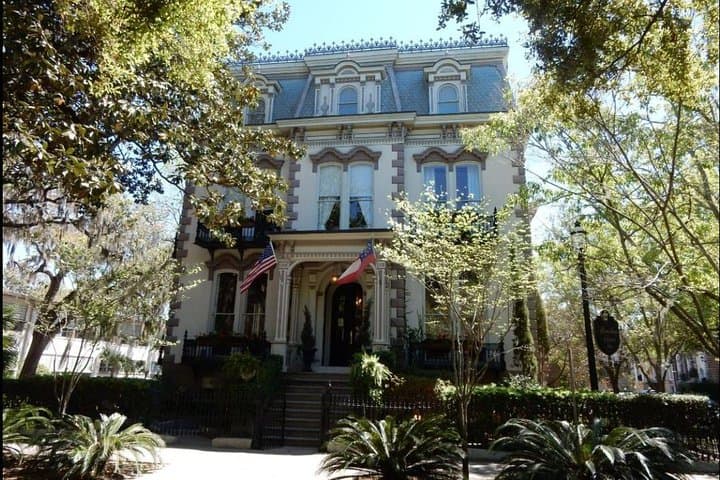
Morning light slips across brick sidewalks and Spanish moss drifts like a slow clock hands; the Historic District’s houses watch the river and the city wake. On this two-hour guided walk you move between shaded squares and broad facades — Greek Revival columns, Federal fanlights, and Gothic tracery that signal different eras of Savannah’s rise as a port and a civic experiment.
Morning light slips across brick sidewalks and Spanish moss drifts like a slow clock hands; the Historic District’s houses watch the river and the city wake. On this two-hour guided walk you move between shaded squares and broad facades — Greek Revival columns, Federal fanlights, and Gothic tracery that signal different eras of Savannah’s rise as a port and a civic experiment.
Founded in 1733, Savannah’s grid and public squares grew from James Oglethorpe’s original plan; the soil here is coastal plain, the river’s tides shaping commerce and the town’s prosperity. The tour traces threads of antebellum wealth, the 20th-century preservation movement that halted demolition, and neighborhoods where modern life rubs shoulders with preserved parlors and wrought-iron balconies.
Guides interpret architecture and the social history behind the facades — who lived here, how homes were adapted, and why preservation matters now. Expect commentary on masonry, ironwork, and the role of the Savannah River in the city’s economy, along with local cultural notes about art, food, and ongoing conservation efforts.
Practically: the route is largely flat but includes uneven cobbles and occasional steps; comfortable, stable shoes and sun protection make the walk smoother. Bring water, charge your camera, and plan for morning or late-afternoon tours to avoid peak heat. Respect private properties: many homes are lived-in or seasonally rented. This is an urban history walk — sensory, civic, and quietly alive with the city’s past and present.