THE ADVENTURE COLLECTIVE® · Independent discovery and booking for outdoor travel

Walk Savannah’s original squares with expert local historians who weave architecture, politics and personal stories into a two-hour stroll. Expect close looks at Greek Revival mansions, Civil War sites, and quiet squares that reveal layers of the city’s past.
Walk Savannah’s original squares with expert local historians who weave architecture, politics and personal stories into a two-hour stroll. Expect close looks at Greek Revival mansions, Civil War sites, and quiet squares that reveal layers of the city’s past.
You begin on a warm brick square, Spanish moss brushing the late-afternoon light, while a guide sketches the city’s founding on a palm-sized map. The Wandering Historians lead you down a corridor of five linked squares along Bull Street, where cast-iron steeples, cobbled streets and shaded benches set the rhythm of the walk.
Verified experiences and guided adventures in the surrounding area.
Operated by Bonaventure, Historic Savannah, Low Country & Private with Shannon Scott Tours · Savannah, Georgia
You begin on a warm brick square, Spanish moss brushing the late-afternoon light, while a guide sketches the city’s founding on a palm-sized map. The Wandering Historians lead you down a corridor of five linked squares along Bull Street, where cast-iron steeples, cobbled streets and shaded benches set the rhythm of the walk.
Savannah was laid out by James Oglethorpe in 1733 as America’s first planned city; the grid of squares was as practical as it was civic theater. Geologically, the district sits on the coastal plain above tidal marshes—soft loam that allowed the wide avenues and long rowhouses to rise without dramatic elevation. Architecture here ranges from Colonial and Greek Revival to Victorian rowhouses and Moorish-influenced façades born of early trade wealth.
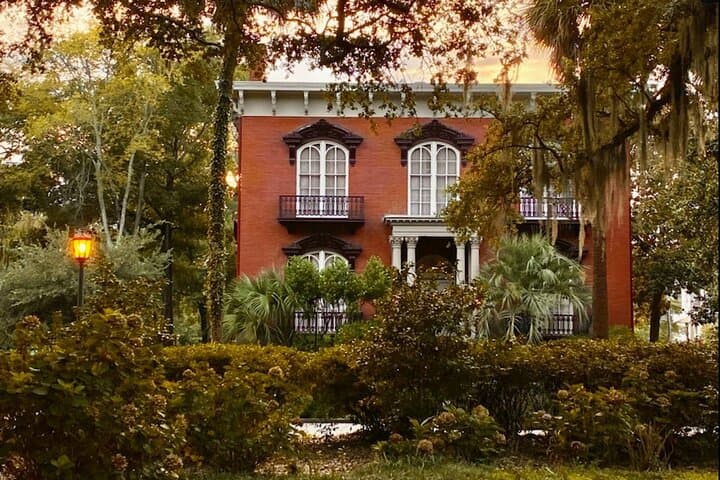
Culture is visible in plaques, burial grounds and small businesses: a Jewish congregation whose Torah predates many U.S. institutions, the Mercer House with its literary legacy, and a city that built preservation into daily life via residents and the Savannah College of Art & Design.
Practical guidance: tours cover about two hours and a few miles of easy walking—expect frequent stops at squares, monuments and facades but no interior house entries. Morning or late-afternoon departures avoid heat and crowds; bring water, sun protection and comfortable shoes. The meeting point is the Casimir Pulaski marker near Monterey Square; the route stays within a 10–15 minute walk of that hub, and most surfaces are stroller- and wheelchair-accessible. Listen for anecdotes that reframe familiar monuments—this is history told by people who live it.
easy.
2 hours.
Light walking fitness; able to stand and stroll for up to two hours with frequent stops.
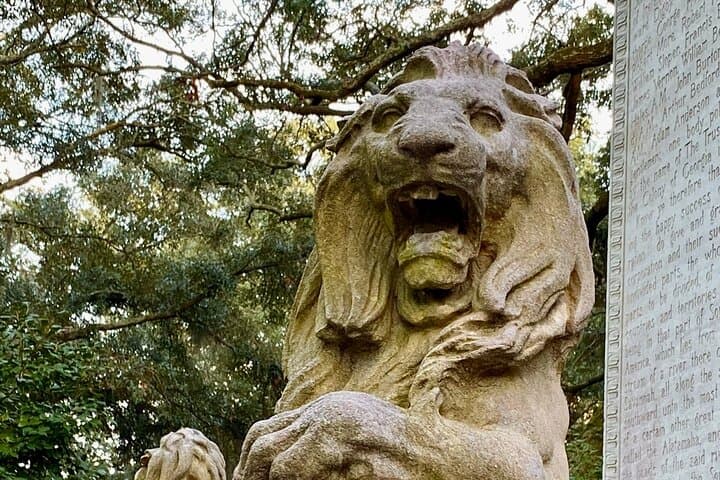
Meet at the Casimir Pulaski historical marker on the west side of Monterey Square near the Pulaski Monument and Mercer House; guides keep a short walking radius so you stay near the start point.
Yes — the operator lists the route and surfaces as wheelchair- and stroller-accessible, though some historic streets use brick or cobbles that may be bumpy.
No — this tour focuses on exterior architecture, squares and storytelling rather than interior admissions to private homes or museums.
Full refunds are available if you cancel at least 24 hours before departure; tours may be canceled for bad weather or low enrollment.
Savannah’s grid of squares was designed by James Oglethorpe in 1733 as an innovative civic plan; many public spaces retain 18th- and 19th-century funerary and civic markers.
Historic Savannah relies on active preservation and sensitive tourism; visitors are asked to respect lawns, private gardens and to carry out litter to minimize wear on fragile urban green spaces.
Bonaventure, Historic Savannah, Low Country & Private with Shannon Scott Tours operates guided outdoor trips and adventures with an emphasis on safety, stewardship, and memorable experiences.
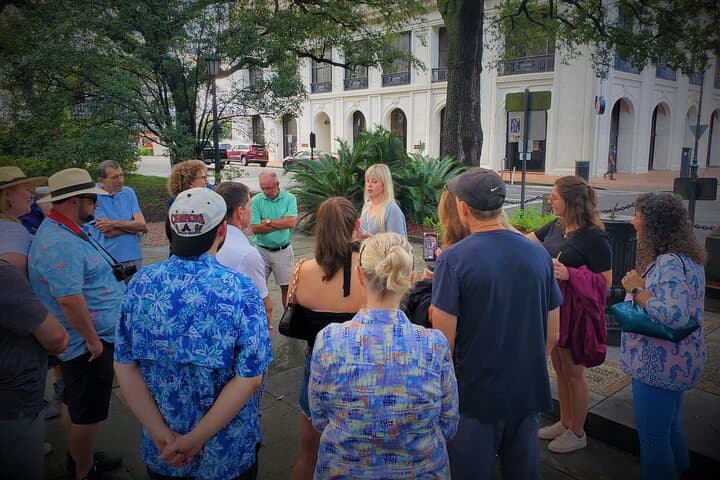
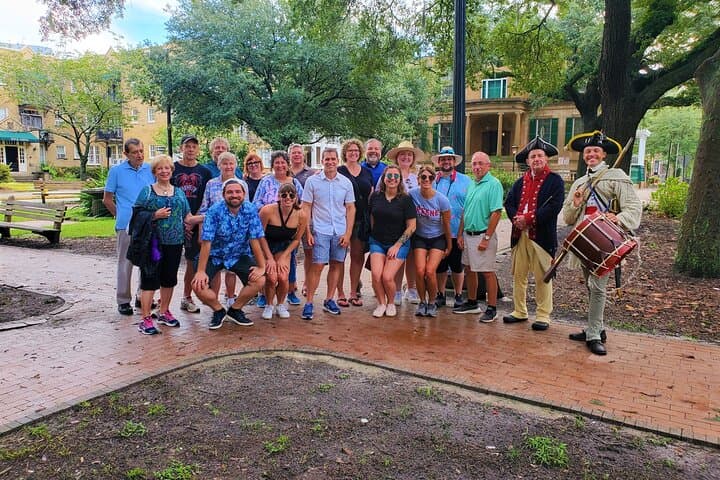
You begin on a warm brick square, Spanish moss brushing the late-afternoon light, while a guide sketches the city’s founding on a palm-sized map. The Wandering Historians lead you down a corridor of five linked squares along Bull Street, where cast-iron steeples, cobbled streets and shaded benches set the rhythm of the walk.
You begin on a warm brick square, Spanish moss brushing the late-afternoon light, while a guide sketches the city’s founding on a palm-sized map. The Wandering Historians lead you down a corridor of five linked squares along Bull Street, where cast-iron steeples, cobbled streets and shaded benches set the rhythm of the walk.
Savannah was laid out by James Oglethorpe in 1733 as America’s first planned city; the grid of squares was as practical as it was civic theater. Geologically, the district sits on the coastal plain above tidal marshes—soft loam that allowed the wide avenues and long rowhouses to rise without dramatic elevation. Architecture here ranges from Colonial and Greek Revival to Victorian rowhouses and Moorish-influenced façades born of early trade wealth.
Culture is visible in plaques, burial grounds and small businesses: a Jewish congregation whose Torah predates many U.S. institutions, the Mercer House with its literary legacy, and a city that built preservation into daily life via residents and the Savannah College of Art & Design.
Practical guidance: tours cover about two hours and a few miles of easy walking—expect frequent stops at squares, monuments and facades but no interior house entries. Morning or late-afternoon departures avoid heat and crowds; bring water, sun protection and comfortable shoes. The meeting point is the Casimir Pulaski marker near Monterey Square; the route stays within a 10–15 minute walk of that hub, and most surfaces are stroller- and wheelchair-accessible. Listen for anecdotes that reframe familiar monuments—this is history told by people who live it.