THE ADVENTURE COLLECTIVE® · Independent discovery and booking for outdoor travel

Drive north from Accra to the open savannahs around Mole National Park for mosque history, village culture and close-up wildlife viewing. This two-day private tour combines early morning game drives with village walks and canoe trips for a practical, immersive taste of northern Ghana.
Drive north from Accra to the open savannahs around Mole National Park for mosque history, village culture and close-up wildlife viewing. This two-day private tour combines early morning game drives with village walks and canoe trips for a practical, immersive taste of northern Ghana.
By the time the road slips out of Tamale the landscape changes: ochre tracks give way to wide, wind-brushed savannah where termite mounds punctuate the horizon and acacia silhouettes sharpen against an intense sky. The tour threads between market towns and open grassland, pausing at Larabanga’s adobe mosque—its timber beams and mud plaster a rare surviving example of Sudano-Sahelian architecture in West Africa—and the local mystic stone reputed to return to its place when moved.
Verified experiences and guided adventures in the surrounding area.
Operated by Kaya Tours · Tamale, Northern Region
By the time the road slips out of Tamale the landscape changes: ochre tracks give way to wide, wind-brushed savannah where termite mounds punctuate the horizon and acacia silhouettes sharpen against an intense sky. The tour threads between market towns and open grassland, pausing at Larabanga’s adobe mosque—its timber beams and mud plaster a rare surviving example of Sudano-Sahelian architecture in West Africa—and the local mystic stone reputed to return to its place when moved.
Geology here is straightforward: lateritic soils over ancient Precambrian bedrock, with low escarpments like Konkori offering panoramic views and waterholes that concentrate wildlife. The cultural beat is immediate: Dagomba and Gonja communities maintain drumming traditions and craftwork; in Mognori visitors follow villagers on shaded walks, watch canoe paddles cut mirrored pools and learn dance steps that mark harvest and rites.
Expect a pragmatic rhythm: early-morning and late-afternoon game drives yield the best sightings—elephants, kob antelope, baboons and warthogs are common; leopards are elusive. Roads are mostly graded dirt; short, flat walks from parking to lookouts are typical. Accommodation ranges from simple lodges to modest 3-star hotels in Tamale or near the park.
Prepare for heat, dust and sudden evening chills: neutral clothing, sturdy shoes, binoculars and insect protection make the difference. Carry Ghana cedi for village purchases, respect restricted park zones, and allow extra time for transfers between Tamale and Mole—the savannah demands a relaxed schedule but rewards close, low-altitude encounters with West African wildlife and living culture.
easy.
2 days (≈48 hours).
Suitable for travelers in basic physical condition; mobility required for short, flat walks and vehicle transfers.
Game drives occur from vehicles and by waterholes where animals come to drink; elephants and antelope are regularly sighted at safe viewing distances—guides keep you within park regulations.
The operator notes the tour is not recommended for pregnant travelers; children can participate but should be supervised and seated on laps if infants per booking rules.
Consult a travel clinic before departure—yellow fever vaccination is typically recommended for entry into Ghana and malaria prophylaxis is advised for northern savannah regions.
Bring Ghana cedi for small purchases, tips and village activities; larger hotels may accept cards but cash is preferred in rural areas.
Larabanga Mosque dates to the 15th century and exemplifies Sudano-Sahelian mud-brick architecture; local oral histories enrich village sites like the Mystic Stone.
Mole National Park uses controlled vehicle tracks and community-based tourism to limit disturbance; visitors are asked to follow guide instructions to minimize wildlife stress.
Kaya Tours operates guided outdoor trips and adventures with an emphasis on safety, stewardship, and memorable experiences.

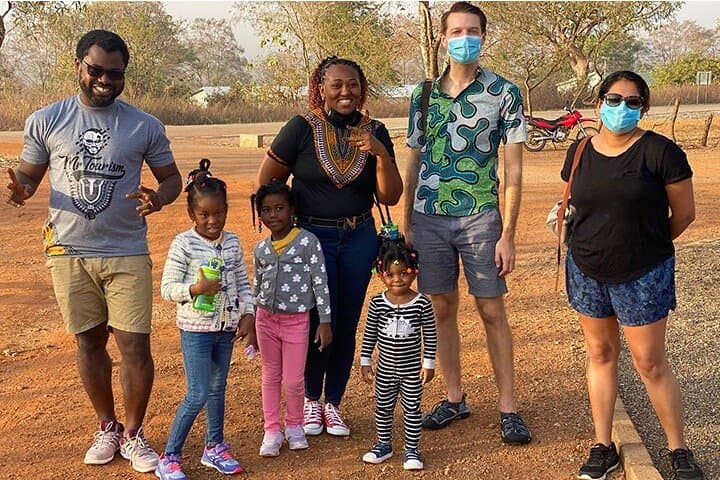
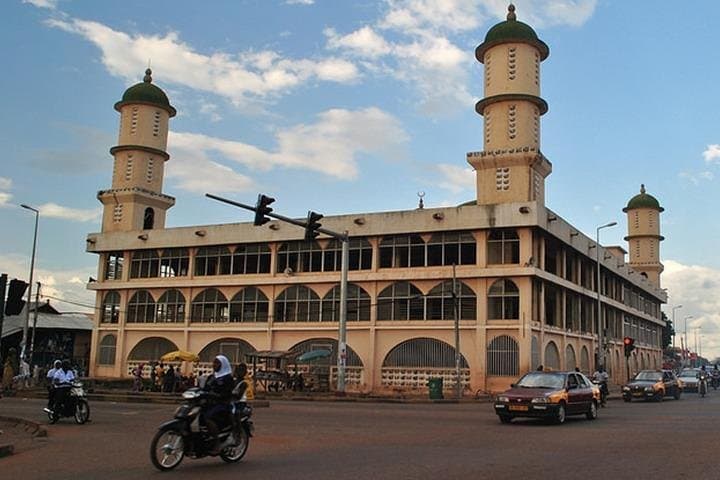
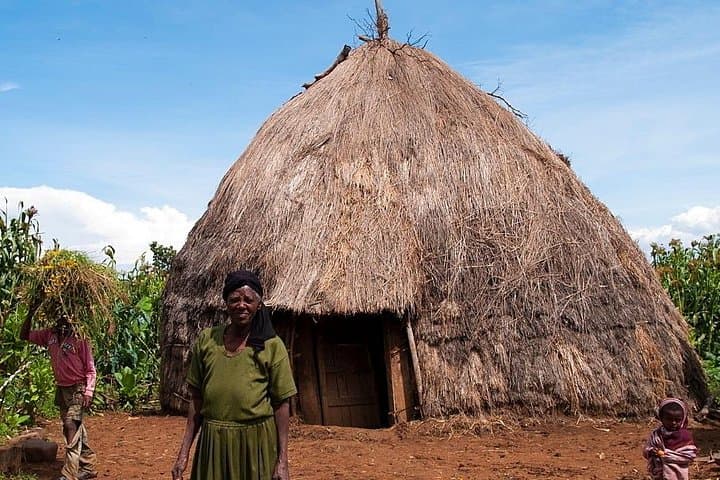
By the time the road slips out of Tamale the landscape changes: ochre tracks give way to wide, wind-brushed savannah where termite mounds punctuate the horizon and acacia silhouettes sharpen against an intense sky. The tour threads between market towns and open grassland, pausing at Larabanga’s adobe mosque—its timber beams and mud plaster a rare surviving example of Sudano-Sahelian architecture in West Africa—and the local mystic stone reputed to return to its place when moved.
By the time the road slips out of Tamale the landscape changes: ochre tracks give way to wide, wind-brushed savannah where termite mounds punctuate the horizon and acacia silhouettes sharpen against an intense sky. The tour threads between market towns and open grassland, pausing at Larabanga’s adobe mosque—its timber beams and mud plaster a rare surviving example of Sudano-Sahelian architecture in West Africa—and the local mystic stone reputed to return to its place when moved.
Geology here is straightforward: lateritic soils over ancient Precambrian bedrock, with low escarpments like Konkori offering panoramic views and waterholes that concentrate wildlife. The cultural beat is immediate: Dagomba and Gonja communities maintain drumming traditions and craftwork; in Mognori visitors follow villagers on shaded walks, watch canoe paddles cut mirrored pools and learn dance steps that mark harvest and rites.
Expect a pragmatic rhythm: early-morning and late-afternoon game drives yield the best sightings—elephants, kob antelope, baboons and warthogs are common; leopards are elusive. Roads are mostly graded dirt; short, flat walks from parking to lookouts are typical. Accommodation ranges from simple lodges to modest 3-star hotels in Tamale or near the park.
Prepare for heat, dust and sudden evening chills: neutral clothing, sturdy shoes, binoculars and insect protection make the difference. Carry Ghana cedi for village purchases, respect restricted park zones, and allow extra time for transfers between Tamale and Mole—the savannah demands a relaxed schedule but rewards close, low-altitude encounters with West African wildlife and living culture.