THE ADVENTURE COLLECTIVE® · Independent discovery and booking for outdoor travel

Walk Savannah’s historic squares with an expert guide and learn how architects from William Jay to Hyman Witcover shaped the city between 1817 and 1923. Small groups, audio headsets, and a take-home map make this a focused cultural walk.
Walk Savannah’s historic squares with an expert guide and learn how architects from William Jay to Hyman Witcover shaped the city between 1817 and 1923. Small groups, audio headsets, and a take-home map make this a focused cultural walk.
You step off the sidewalk into Oglethorpe Square and the city rearranges itself around you—brick facades lining narrow streets, live oaks leaning like longtime neighbors, and the hush of history in the shadow of porches and lintels. Guides lead a small group past townhouses, churches, and the occasional iron-gated courtyard, pointing out the decisions that shaped Savannah between 1817 and 1923.
Verified experiences and guided adventures in the surrounding area.
Operated by Noble Jones Tours, LLC · Savannah, Georgia
You step off the sidewalk into Oglethorpe Square and the city rearranges itself around you—brick facades lining narrow streets, live oaks leaning like longtime neighbors, and the hush of history in the shadow of porches and lintels. Guides lead a small group past townhouses, churches, and the occasional iron-gated courtyard, pointing out the decisions that shaped Savannah between 1817 and 1923.
This two-hour walk traces the work of key figures—William Jay’s early Regency influence, John Norris’s antebellum details, and later architects such as William Gibbons Preston and Hyman Witcover—while placing buildings in the context of Savannah’s grid of squares and its lowcountry setting. The city sits on the Coastal Plain; its clay and brick traditions, proximity to the Savannah River, and mercantile past influenced ornamentation, materials, and preservation priorities. Along the route you’ll hear about the city’s development, preservation battles, and how adaptive reuse has kept facades alive.
Expect 90–120 minutes on paved sidewalks with short stair accesses into small museums if you choose to enter. Tours are capped at ten people for conversation and include listen-to-talk audio and a take-home map. Wear comfortable walking shoes, carry water, and time your visit to avoid midday summer heat when humidity can spike. The meeting point is Oglethorpe Square near the Owens-Thomas House and the route finishes at Lafayette Square’s fountain—ideal for lingering photographs. This tour is accessible to most visitors and offers a focused, informed way to read Savannah’s architecture on foot.
easy.
2 hours.
Suitable for most people who can walk for two hours on paved surfaces; minimal stair negotiation may be required.
The tour meets at Oglethorpe Square near the Owens-Thomas House and finishes at Lafayette Square in front of the fountain.
Yes; the walking pace is moderate and the route is on paved surfaces, but confirm any mobility concerns when booking.
No; this walking tour focuses on exterior architecture and discussion. Entry fees to museums or houses are not included unless specifically stated.
Group size is capped at ten guests to allow interaction and questions with the guide.
Savannah’s square-based plan dates to the early 18th century and the 19th century saw architects adapt European styles to local materials and climate, producing the distinctive Savannah look.
Local preservation efforts are strong; tread lightly on lawns and use marked paths to protect root systems of historic live oaks and the fabric of public spaces.
Noble Jones Tours, LLC operates guided outdoor trips and adventures with an emphasis on safety, stewardship, and memorable experiences.

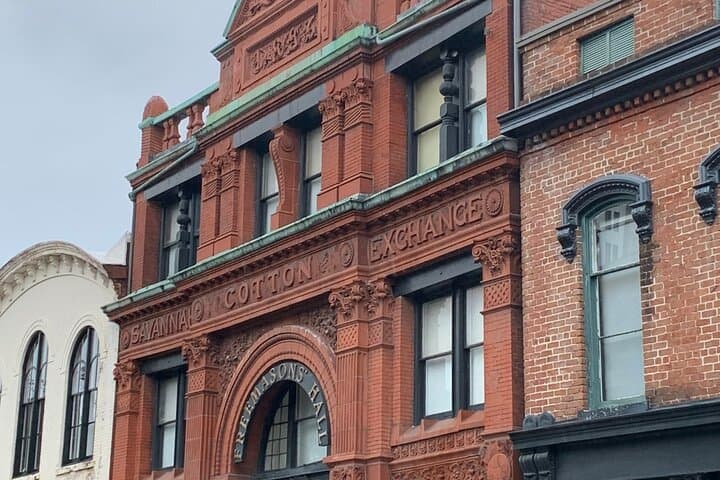

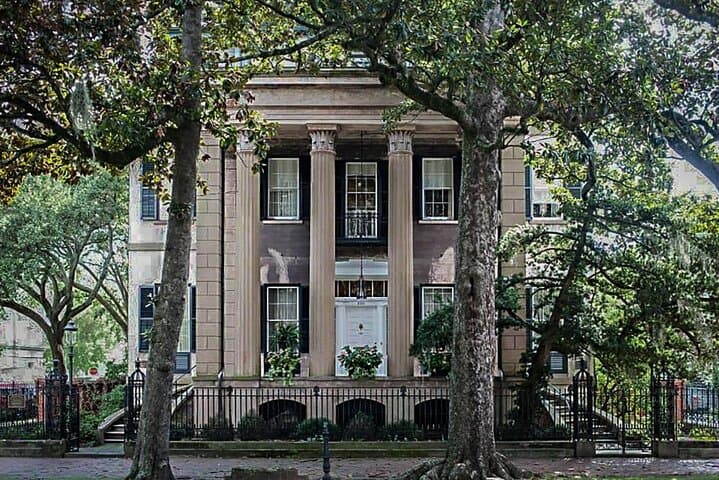
You step off the sidewalk into Oglethorpe Square and the city rearranges itself around you—brick facades lining narrow streets, live oaks leaning like longtime neighbors, and the hush of history in the shadow of porches and lintels. Guides lead a small group past townhouses, churches, and the occasional iron-gated courtyard, pointing out the decisions that shaped Savannah between 1817 and 1923.
You step off the sidewalk into Oglethorpe Square and the city rearranges itself around you—brick facades lining narrow streets, live oaks leaning like longtime neighbors, and the hush of history in the shadow of porches and lintels. Guides lead a small group past townhouses, churches, and the occasional iron-gated courtyard, pointing out the decisions that shaped Savannah between 1817 and 1923.
This two-hour walk traces the work of key figures—William Jay’s early Regency influence, John Norris’s antebellum details, and later architects such as William Gibbons Preston and Hyman Witcover—while placing buildings in the context of Savannah’s grid of squares and its lowcountry setting. The city sits on the Coastal Plain; its clay and brick traditions, proximity to the Savannah River, and mercantile past influenced ornamentation, materials, and preservation priorities. Along the route you’ll hear about the city’s development, preservation battles, and how adaptive reuse has kept facades alive.
Expect 90–120 minutes on paved sidewalks with short stair accesses into small museums if you choose to enter. Tours are capped at ten people for conversation and include listen-to-talk audio and a take-home map. Wear comfortable walking shoes, carry water, and time your visit to avoid midday summer heat when humidity can spike. The meeting point is Oglethorpe Square near the Owens-Thomas House and the route finishes at Lafayette Square’s fountain—ideal for lingering photographs. This tour is accessible to most visitors and offers a focused, informed way to read Savannah’s architecture on foot.