THE ADVENTURE COLLECTIVE® · Independent discovery and booking for outdoor travel

Hike from Poggio Murella to the Cascate del Mulino and end the day in 37°C thermal pools fed by springs used since Roman times. This 2–3 hour loop pairs a steady trail and a historic cistern with one of Tuscany’s most accessible natural baths.
Hike from Poggio Murella to the Cascate del Mulino and end the day in 37°C thermal pools fed by springs used since Roman times. This 2–3 hour loop pairs a steady trail and a historic cistern with one of Tuscany’s most accessible natural baths.
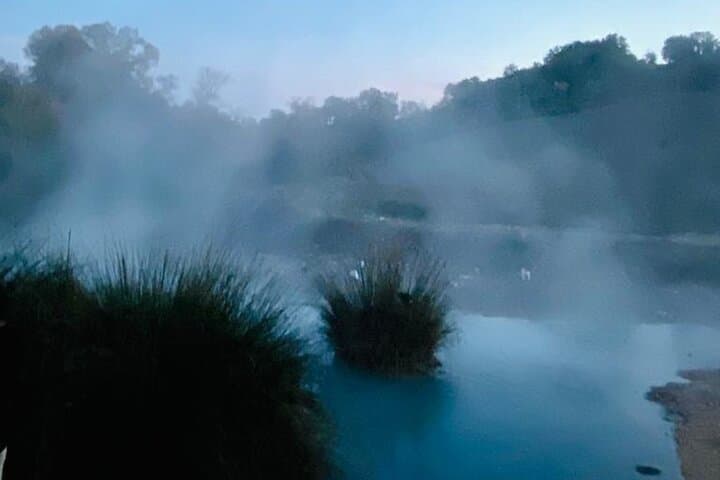
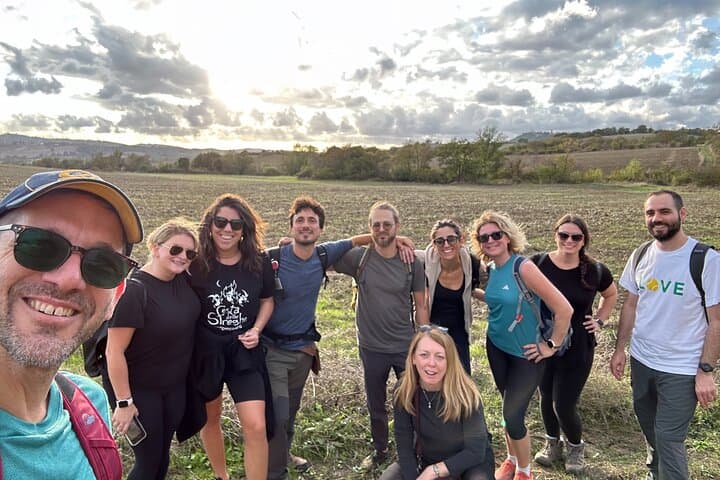
A crisp morning on the Tuscan plateau, and the trail climbs away from a sleepy lane toward Poggio Murella. Cypress and scrub tighten around the path; the scent of thyme rides the breeze. From a rounded promontory you can watch the land tilt toward the sea, while below the earth exhales steam into natural basins where water keeps its ancient warmth.
Verified experiences and guided adventures in the surrounding area.
Operated by The Red Road · Saturnia, Tuscany
A crisp morning on the Tuscan plateau, and the trail climbs away from a sleepy lane toward Poggio Murella. Cypress and scrub tighten around the path; the scent of thyme rides the breeze. From a rounded promontory you can watch the land tilt toward the sea, while below the earth exhales steam into natural basins where water keeps its ancient warmth.
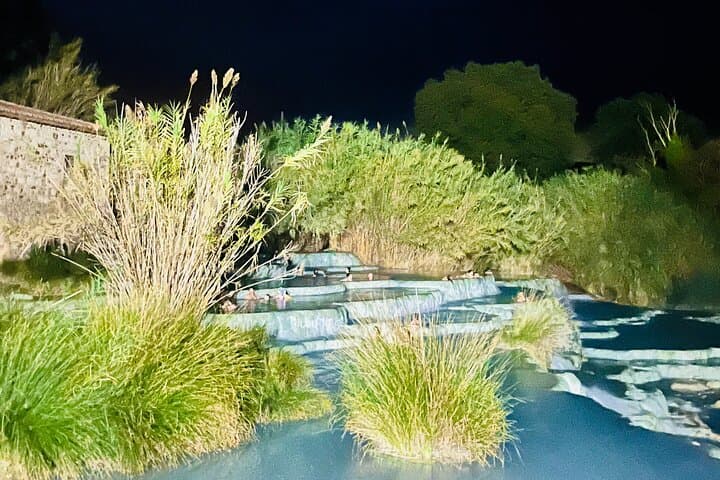
This landscape records layers of geology and human use: travertine terraces formed by mineral-rich springs, Roman masonry marking the Castellum Acquarum, and later rural settlements that oriented life around the baths. The Cascate del Mulino — a series of white travertine pools — are fed by water that has been used for healing since pre-Roman times. Locals still speak of cures and rituals tied to the springs; the region’s sheep and olive groves add a quiet cultural backdrop.
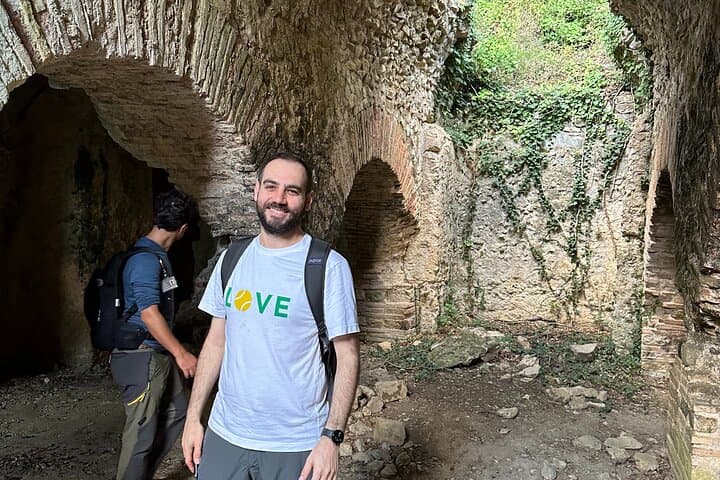
Expect a 2–3 hour outing that blends a steady, sometimes rocky hike with time to bathe in ~37°C thermal pools. Terrain includes dirt tracks, short rocky sections, and travertine that becomes slick where water runs. The route rewards you with a Roman cistern at Poggio Murella and panoramic views before the welcome heat of the pools. The water itself seems to nudge you, easing muscles and washing away the climb.
Practical notes: wear grippy shoes for wet rock, bring a towel and modesty cover for the thermal pools, and pack water and sun protection. Visit early or late to avoid crowds and follow local rules: no soap, no bottles left in pools, and leave the formations intact.
moderate.
2–3 hours.
Moderate fitness: able to manage uneven trails, short rocky sections, and modest elevation changes.
The natural pools are publicly accessible without an entrance fee, though nearby managed spa facilities may charge for services.
The springs are mineral-rich and typically around 37°C; avoid bathing if you have open wounds and follow local health guidance for long soaks.
Yes — the springs flow year-round, but conditions and crowding vary by season; winter is quieter but cooler for changing outdoors.
Most visitors drive from Manciano or local towns; parking is limited near popular access points so arrive early or use local transport where available.
Thermal springs here have been used since pre-Roman and Roman times; remnants like the Castellum Acquarum show long-standing water engineering.
Heavy visitation stresses travertine formations and local flora; avoid leaving products in the water, stick to designated paths, and pack out waste.
The Red Road operates guided outdoor trips and adventures with an emphasis on safety, stewardship, and memorable experiences.
A crisp morning on the Tuscan plateau, and the trail climbs away from a sleepy lane toward Poggio Murella. Cypress and scrub tighten around the path; the scent of thyme rides the breeze. From a rounded promontory you can watch the land tilt toward the sea, while below the earth exhales steam into natural basins where water keeps its ancient warmth.
A crisp morning on the Tuscan plateau, and the trail climbs away from a sleepy lane toward Poggio Murella. Cypress and scrub tighten around the path; the scent of thyme rides the breeze. From a rounded promontory you can watch the land tilt toward the sea, while below the earth exhales steam into natural basins where water keeps its ancient warmth.
This landscape records layers of geology and human use: travertine terraces formed by mineral-rich springs, Roman masonry marking the Castellum Acquarum, and later rural settlements that oriented life around the baths. The Cascate del Mulino — a series of white travertine pools — are fed by water that has been used for healing since pre-Roman times. Locals still speak of cures and rituals tied to the springs; the region’s sheep and olive groves add a quiet cultural backdrop.
Expect a 2–3 hour outing that blends a steady, sometimes rocky hike with time to bathe in ~37°C thermal pools. Terrain includes dirt tracks, short rocky sections, and travertine that becomes slick where water runs. The route rewards you with a Roman cistern at Poggio Murella and panoramic views before the welcome heat of the pools. The water itself seems to nudge you, easing muscles and washing away the climb.
Practical notes: wear grippy shoes for wet rock, bring a towel and modesty cover for the thermal pools, and pack water and sun protection. Visit early or late to avoid crowds and follow local rules: no soap, no bottles left in pools, and leave the formations intact.