THE ADVENTURE COLLECTIVE® · Independent discovery and booking for outdoor travel

Spend a Saturday on Roosevelt Avenue tasting pan dulce, pit-roasted goat, cholado and Veracruz-style shrimp cocktail. This four-hour guided walk through Corona spotlights family-run bakeries, street vendors, and the neighborhood rhythms that made Queens a culinary destination.
Spend a Saturday on Roosevelt Avenue tasting pan dulce, pit-roasted goat, cholado and Veracruz-style shrimp cocktail. This four-hour guided walk through Corona spotlights family-run bakeries, street vendors, and the neighborhood rhythms that made Queens a culinary destination.
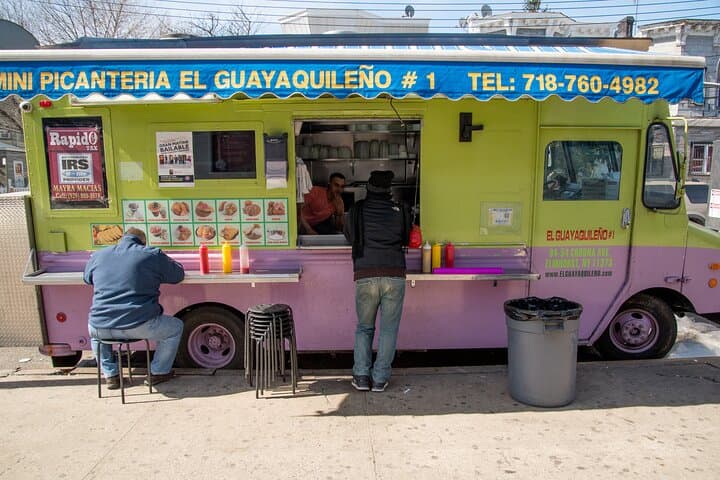
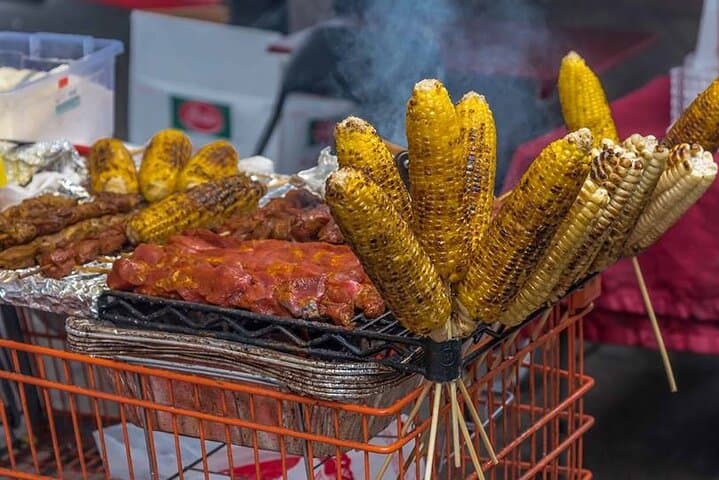
The day begins under the low hum of the 7 train, at Corona Plaza where griddles already hiss and vendors arrange trays like offerings. Walkers move through steam and sugar-sweet smells — a neighborhood market that announces itself in scent before you even read the first aisle of booths.
Verified experiences and guided adventures in the surrounding area.
Operated by Culinary Backstreets Walks · Corona, New York
The day begins under the low hum of the 7 train, at Corona Plaza where griddles already hiss and vendors arrange trays like offerings. Walkers move through steam and sugar-sweet smells — a neighborhood market that announces itself in scent before you even read the first aisle of booths.
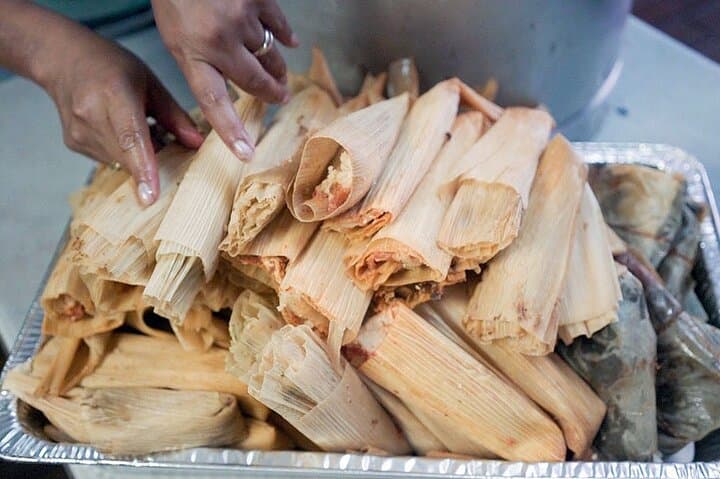
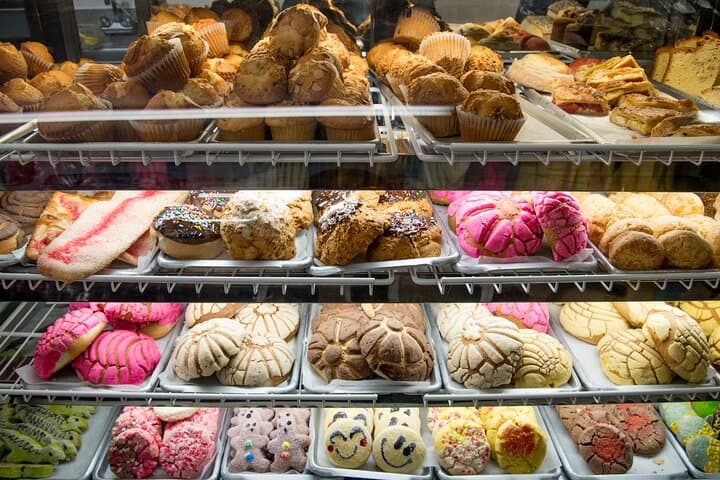
Corona occupies a layer of New York history shaped by immigration and trade: Latin American cooks brought regional techniques and ingredients that reoriented Roosevelt Avenue into a corridor of flavor. The geology here is flat urban plain, where wide sidewalks and block-long storefronts replace switchbacks and ridgelines; culture and memory provide the elevation. Expect to taste Mexican pan dulce, pit-roasted goat served family-style, Argentine and Colombian sweets, and Veracruz-style shrimp cocktail — each stop a small lesson in technique, origin, and family recipe.
This four-hour walking tour focuses on food and neighborhood context rather than restaurants’ formal histories. Guides typically point out how markets shift with seasons, where ingredients arrive by truck, and how weekend rhythms animate the plaza. Conversations with shop owners and family-run bakeries are part of the route.
Practical guidance: wear supportive shoes for 2–3 miles of pavement, bring a refillable bottle, and pace sampling to leave room for the brunch course. Use the 7 train (103 St–Corona Plaza South Exit) to arrive on time. Budget for tips and any extra purchases; many vendors accept cards but small bills are handy. The tour is lively, social, and best for curious eaters ready to move with the crowd.
easy.
3–4 hours.
Suitable for most abilities; expect 2–3 miles of mostly flat walking with short stops.
Meet in front of the Walgreens at Corona Plaza, 10314 Roosevelt Ave (between 104 St. and National St.), South Exit of the 103 St.–Corona Plaza 7 train station.
Yes; the route is on sidewalks and is listed as stroller-accessible, though busy sidewalks may make navigation slower.
Yes — the operator asks for special requirements at booking; notify them in advance so alternatives can be arranged where possible.
Shared tours cap at seven travelers, which keeps the group small enough for conversation and quick vendor stops.
Corona grew as a landing place for waves of immigrants; over the 20th century, Latin American communities transformed Roosevelt Avenue into a living food corridor reflecting regional cuisines.
Small businesses rely on local foot traffic; minimize waste by carrying a reusable cup or container and ask vendors about compost and recycling options.
Culinary Backstreets Walks operates guided outdoor trips and adventures with an emphasis on safety, stewardship, and memorable experiences.
The day begins under the low hum of the 7 train, at Corona Plaza where griddles already hiss and vendors arrange trays like offerings. Walkers move through steam and sugar-sweet smells — a neighborhood market that announces itself in scent before you even read the first aisle of booths.
The day begins under the low hum of the 7 train, at Corona Plaza where griddles already hiss and vendors arrange trays like offerings. Walkers move through steam and sugar-sweet smells — a neighborhood market that announces itself in scent before you even read the first aisle of booths.
Corona occupies a layer of New York history shaped by immigration and trade: Latin American cooks brought regional techniques and ingredients that reoriented Roosevelt Avenue into a corridor of flavor. The geology here is flat urban plain, where wide sidewalks and block-long storefronts replace switchbacks and ridgelines; culture and memory provide the elevation. Expect to taste Mexican pan dulce, pit-roasted goat served family-style, Argentine and Colombian sweets, and Veracruz-style shrimp cocktail — each stop a small lesson in technique, origin, and family recipe.
This four-hour walking tour focuses on food and neighborhood context rather than restaurants’ formal histories. Guides typically point out how markets shift with seasons, where ingredients arrive by truck, and how weekend rhythms animate the plaza. Conversations with shop owners and family-run bakeries are part of the route.
Practical guidance: wear supportive shoes for 2–3 miles of pavement, bring a refillable bottle, and pace sampling to leave room for the brunch course. Use the 7 train (103 St–Corona Plaza South Exit) to arrive on time. Budget for tips and any extra purchases; many vendors accept cards but small bills are handy. The tour is lively, social, and best for curious eaters ready to move with the crowd.