THE ADVENTURE COLLECTIVE® · Independent discovery and booking for outdoor travel

Explore Kakunodate by electric-assist bicycle — cruise samurai streets, rice paddies and lakeside roads with minimal effort. This practical guide outlines what to expect, routes, and tips for a smooth Satoyama cycling day.
Explore Kakunodate by electric-assist bicycle — cruise samurai streets, rice paddies and lakeside roads with minimal effort. This practical guide outlines what to expect, routes, and tips for a smooth Satoyama cycling day.
Morning light spills across cobbled streets as the electric-assist bike hums to life outside Kakunodate Guesthouse Choux. Riders push off from the old samurai district, pedals whispering, as orchard-lined lanes and river bends open up ahead. The town’s Edo-period houses give way to rice paddies and low, wooded hills — nature nudging the pace and scenery changing with each turn.
Verified experiences and guided adventures in the surrounding area.
Operated by レンタサイクル/里山サイクリング · Kakunodate, Akita
Morning light spills across cobbled streets as the electric-assist bike hums to life outside Kakunodate Guesthouse Choux. Riders push off from the old samurai district, pedals whispering, as orchard-lined lanes and river bends open up ahead. The town’s Edo-period houses give way to rice paddies and low, wooded hills — nature nudging the pace and scenery changing with each turn.
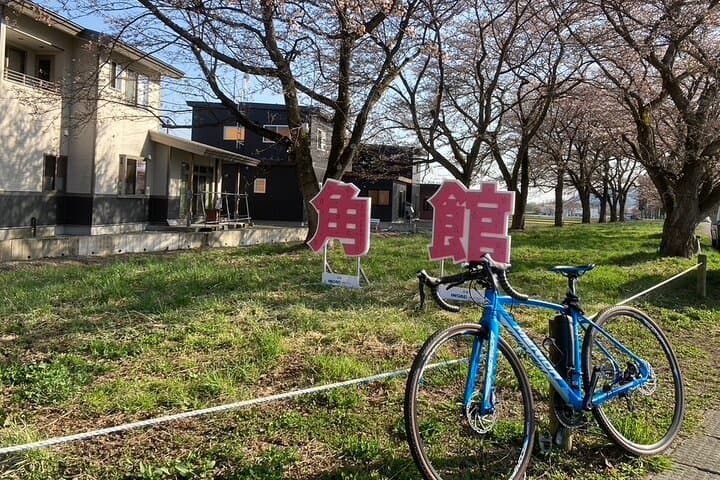
Kakunodate is a living slice of feudal Japan with well-preserved merchant homes and samurai residences; the geology here is gentle — rolling volcanic foothills and drains into the Omono and Yoneshiro river systems — which makes for low-gradient routes suited to e-bikes. Culture and agriculture are on full display: wooden kura storehouses, seasonal sakura avenues in spring, and lakeside shrines toward Lake Tazawa on longer rides.
Expect paved country roads, occasional narrow farm tracks, and steady mild climbs when heading toward Tazawako. Typical self-directed routes range from quick 10–20 km loops around town to extended 40–60 km rides to Lake Tazawa; elevation gain is modest (often 100–400 m depending on route) and the e-assist compensates for longer stretches.
Practical notes: book helmets and confirm battery charge before departure, carry a spare phone battery and water, and allow extra time for stops at museums, teahouses, and viewpoint turnouts. Start rides in the morning to avoid midday heat and to catch softer light on historic streets. The rental is well suited to riders of mixed fitness who want a cultural ride backed by gentle electric power.
easy.
2–8 hours.
Suitable for beginners to moderately fit riders; e-assist reduces the need for sustained power, but longer rides require basic stamina.
Yes — paid bicycle delivery to Tazawako Station is available as an add-on so you can begin closer to Lake Tazawa.
Yes, bicycle helmets are provided with the rental; confirm sizing when you pick up the bike.
No — the e-assist makes the ride suitable for riders of varying ability, though basic bike-handling skills are helpful.
Full refunds are available if you cancel at least 24 hours before the scheduled departure; rides may be canceled for bad weather.
Kakunodate’s preserved samurai neighborhood dates to the Edo period and reflects regional merchant and warrior culture centered on rice trade and clan governance.
Stick to paved roads and marked paths to protect riparian zones and rice paddies; local operators encourage low-impact travel and waste carry-out.
レンタサイクル/里山サイクリング operates guided outdoor trips and adventures with an emphasis on safety, stewardship, and memorable experiences.
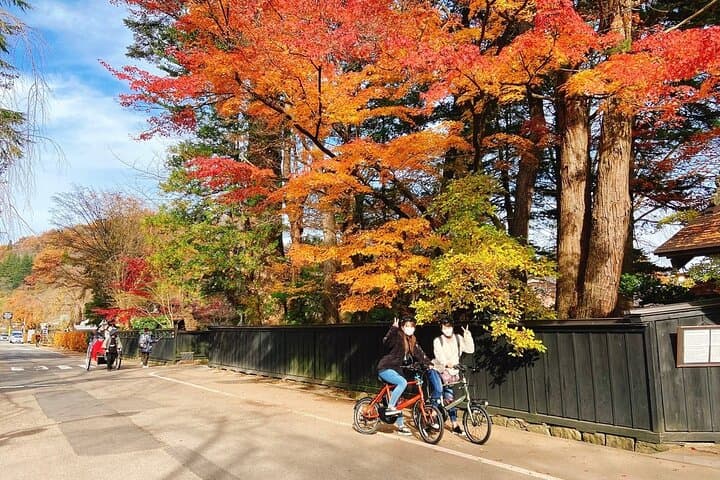
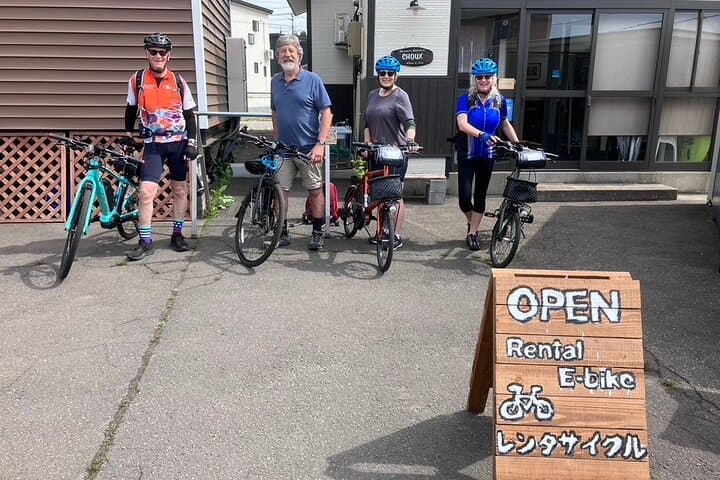
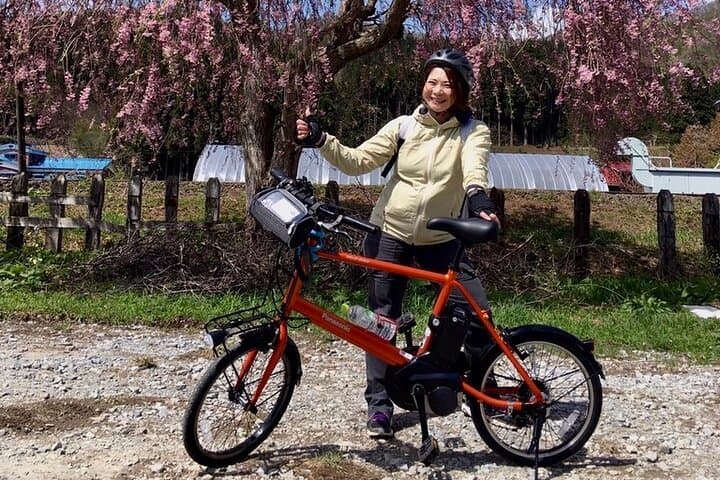
Morning light spills across cobbled streets as the electric-assist bike hums to life outside Kakunodate Guesthouse Choux. Riders push off from the old samurai district, pedals whispering, as orchard-lined lanes and river bends open up ahead. The town’s Edo-period houses give way to rice paddies and low, wooded hills — nature nudging the pace and scenery changing with each turn.
Morning light spills across cobbled streets as the electric-assist bike hums to life outside Kakunodate Guesthouse Choux. Riders push off from the old samurai district, pedals whispering, as orchard-lined lanes and river bends open up ahead. The town’s Edo-period houses give way to rice paddies and low, wooded hills — nature nudging the pace and scenery changing with each turn.
Kakunodate is a living slice of feudal Japan with well-preserved merchant homes and samurai residences; the geology here is gentle — rolling volcanic foothills and drains into the Omono and Yoneshiro river systems — which makes for low-gradient routes suited to e-bikes. Culture and agriculture are on full display: wooden kura storehouses, seasonal sakura avenues in spring, and lakeside shrines toward Lake Tazawa on longer rides.
Expect paved country roads, occasional narrow farm tracks, and steady mild climbs when heading toward Tazawako. Typical self-directed routes range from quick 10–20 km loops around town to extended 40–60 km rides to Lake Tazawa; elevation gain is modest (often 100–400 m depending on route) and the e-assist compensates for longer stretches.
Practical notes: book helmets and confirm battery charge before departure, carry a spare phone battery and water, and allow extra time for stops at museums, teahouses, and viewpoint turnouts. Start rides in the morning to avoid midday heat and to catch softer light on historic streets. The rental is well suited to riders of mixed fitness who want a cultural ride backed by gentle electric power.