THE ADVENTURE COLLECTIVE® · Independent discovery and booking for outdoor travel

Navigate Zug’s old town like a giant escape room: decode street-side clues, coordinate via the Sato Code app, and race through a 60-minute puzzle route from the station toward St. Oswald Church. Expect smart, progressive challenges and authentic city sights.
Navigate Zug’s old town like a giant escape room: decode street-side clues, coordinate via the Sato Code app, and race through a 60-minute puzzle route from the station toward St. Oswald Church. Expect smart, progressive challenges and authentic city sights.
You meet at Zug Bahnhof, phones in hand, the lake’s breeze nudging you toward the old town. Cobbled alleys open like puzzle pages—shopfronts, a pizzeria, a record store—each hiding a cipher that nudges the story forward. The city doesn’t just host the game; it pushes back, offering distractions and clues in equal measure.
Verified experiences and guided adventures in the surrounding area.
Operated by Sato Code · Zug, Zug
You meet at Zug Bahnhof, phones in hand, the lake’s breeze nudging you toward the old town. Cobbled alleys open like puzzle pages—shopfronts, a pizzeria, a record store—each hiding a cipher that nudges the story forward. The city doesn’t just host the game; it pushes back, offering distractions and clues in equal measure.
Zug’s compact center grew around a medieval castle and the trading privileges that shaped its mercantile culture. The lake is a remnant of glacial sculpting, the town’s stone and spire-lined streets bearing the imprint of centuries of local industry and Swiss civic life. As you move from the station toward St. Oswald Church, the route threads landmark buildings and quieter lanes most tourists miss, offering local detail without slowing the riddles.
The Sato Code experience treats the city like an escape room: it’s timed (about 60 minutes), team-based, and puzzle-first rather than a historical tour. Expect progressive difficulty—mental stamina counts as much as walking comfort.
Practical notes: download the Sato Code app and ensure each player has a charged smartphone and mobile data or a hotspot. Comfortable shoes and light weather protection keep you moving between clues; accessibility is generally good in the city center but check specifics if mobility is limited. The game suits groups of two or more and is recommended for older teens and adults who enjoy logic challenges.
Finish with a coffee by the lake and you’ll have seen Zug from a sharper, more inquisitive angle—history, streets and puzzles all at once.
moderate.
1 hour.
Able to walk for about an hour on cobbled streets and handle short stair sections; cognitive focus for puzzles required
The experience is designed to last about 60 minutes, though groups that linger to explore may take longer.
The game is geared toward older teens and adults; organizers recommend active participation from about age 16 due to puzzle difficulty.
Bookings are private for your team; a minimum of two players is required and tickets are issued per booking via SMS.
Much of Zug’s center is flat and accessible, but check specific street and shop access ahead if mobility needs are a concern.
Zug’s old town grew around a medieval castle and lake trade; its compact streets reflect centuries of local commerce and civic governance.
Zug emphasizes clean public spaces and responsible tourism—stick to paths, dispose of waste, and respect shopfronts used as clue sites.
Sato Code operates guided outdoor trips and adventures with an emphasis on safety, stewardship, and memorable experiences.

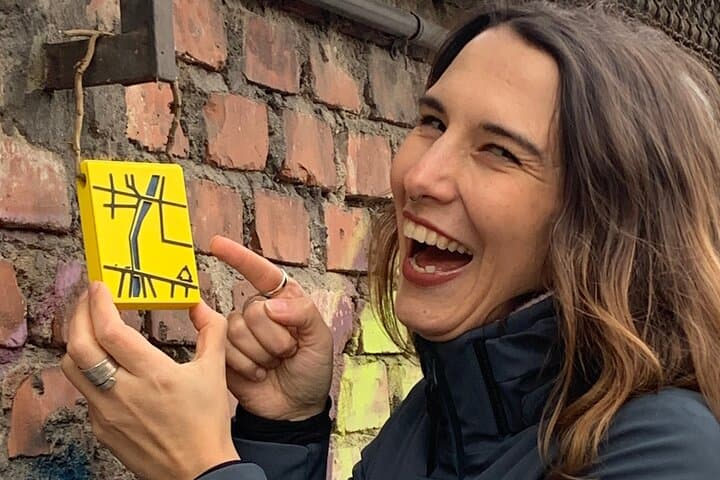
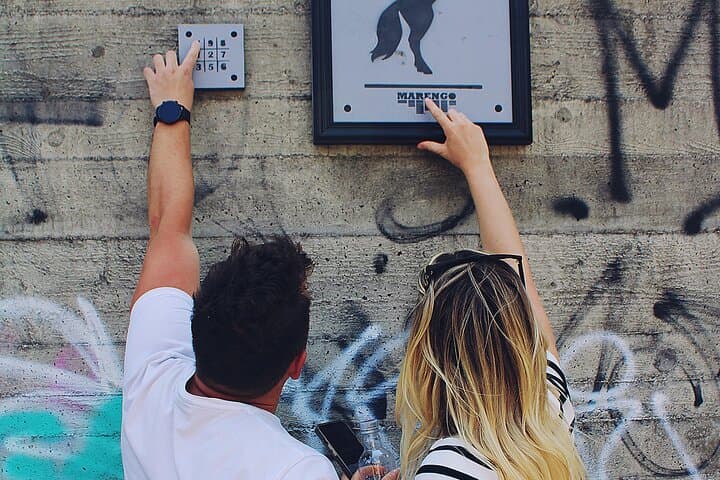
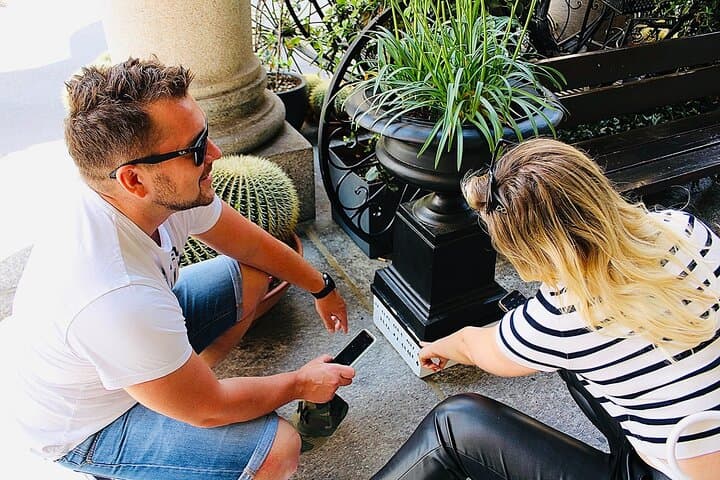
You meet at Zug Bahnhof, phones in hand, the lake’s breeze nudging you toward the old town. Cobbled alleys open like puzzle pages—shopfronts, a pizzeria, a record store—each hiding a cipher that nudges the story forward. The city doesn’t just host the game; it pushes back, offering distractions and clues in equal measure.
You meet at Zug Bahnhof, phones in hand, the lake’s breeze nudging you toward the old town. Cobbled alleys open like puzzle pages—shopfronts, a pizzeria, a record store—each hiding a cipher that nudges the story forward. The city doesn’t just host the game; it pushes back, offering distractions and clues in equal measure.
Zug’s compact center grew around a medieval castle and the trading privileges that shaped its mercantile culture. The lake is a remnant of glacial sculpting, the town’s stone and spire-lined streets bearing the imprint of centuries of local industry and Swiss civic life. As you move from the station toward St. Oswald Church, the route threads landmark buildings and quieter lanes most tourists miss, offering local detail without slowing the riddles.
The Sato Code experience treats the city like an escape room: it’s timed (about 60 minutes), team-based, and puzzle-first rather than a historical tour. Expect progressive difficulty—mental stamina counts as much as walking comfort.
Practical notes: download the Sato Code app and ensure each player has a charged smartphone and mobile data or a hotspot. Comfortable shoes and light weather protection keep you moving between clues; accessibility is generally good in the city center but check specifics if mobility is limited. The game suits groups of two or more and is recommended for older teens and adults who enjoy logic challenges.
Finish with a coffee by the lake and you’ll have seen Zug from a sharper, more inquisitive angle—history, streets and puzzles all at once.