THE ADVENTURE COLLECTIVE® · Independent discovery and booking for outdoor travel

A full‑day loop from Kutaisi that pairs dinosaur footprints and karst caves with emerald river gorges and crumbling Soviet sanatoriums. Expect easy-to-moderate walking, boardwalks, short boat rides, and a long but rewarding day of geological and historical contrasts.
A full‑day loop from Kutaisi that pairs dinosaur footprints and karst caves with emerald river gorges and crumbling Soviet sanatoriums. Expect easy-to-moderate walking, boardwalks, short boat rides, and a long but rewarding day of geological and historical contrasts.
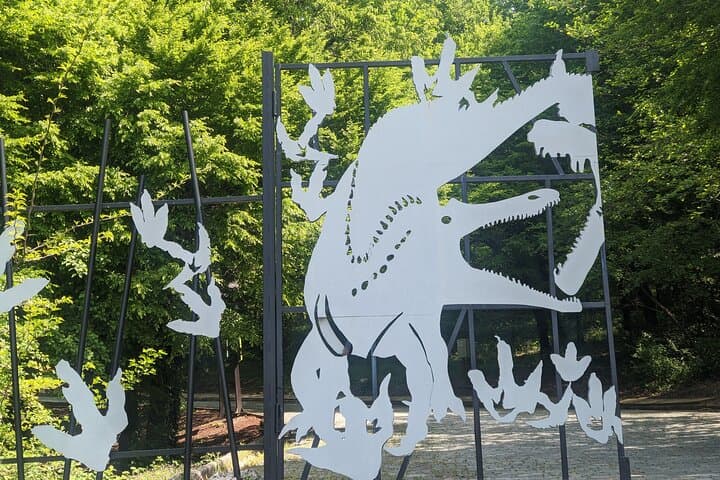
Light filters through beech and hornbeam as the minibus winds away from Kutaisi, and by mid-morning you’re standing on a limestone rim where fossilized dinosaur tracks stare back from stone older than many countries.
Verified experiences and guided adventures in the surrounding area.
Operated by Wonderful Travel · Kutaisi, Imereti
Light filters through beech and hornbeam as the minibus winds away from Kutaisi, and by mid-morning you’re standing on a limestone rim where fossilized dinosaur tracks stare back from stone older than many countries.
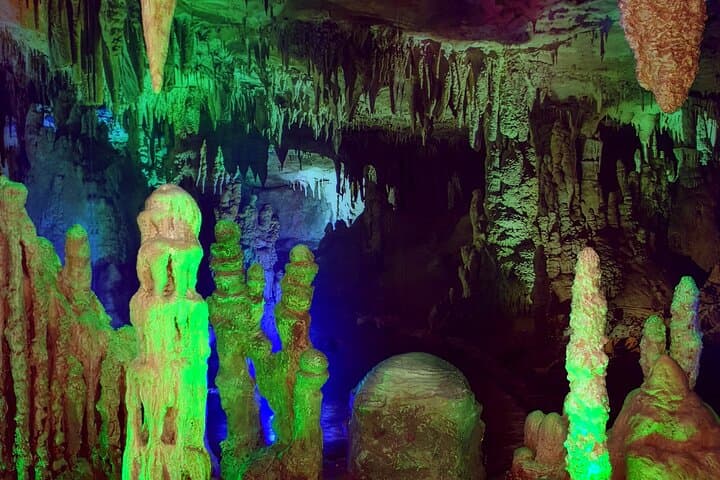
The route stitches together karst caves, river-cut canyons and a ring of concrete pavilions left over from Georgia’s spa‑era. Sataplia’s karst caves and dinosaur footprints sit on an ancient carbonate shelf; blue-green springs and tight gorge walls characterize Martvili and Okatse canyons, carved by post‑glacial rivers. Tskaltubo’s abandoned sanatoriums tell a quieter story: a 20th‑century health industry that collapsed with the Soviet Union.
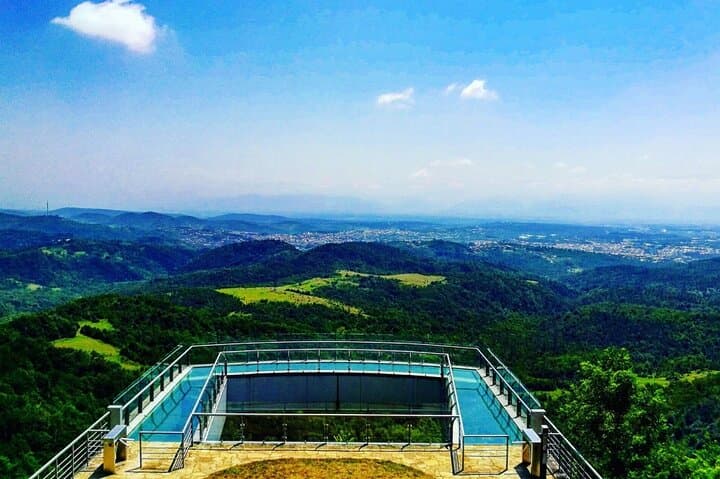
Expect short walks—Sataplia’s 700m circular trail with viewing platforms and a limestone staircase, boardwalk sections through forest, and optional boat stretches in Martvili where emerald currents push you under cliffs. Terrain ranges from compacted paths and stairs to slippery stone near water; elevation changes are modest but repeated, so the day feels long (10–12 hours).
Culturally, this is western Georgia: simple kolkhoz-era architecture, local vendors selling churchkhela and bottled water, and guides who mix geology with regional lore.
Practical notes: start by 8:00 to avoid crowds, carry layered rain protection, and wear sturdy shoes with grip for wet boardwalks. Bring cash for small reserve fees, a refillable bottle, and a camera with protection from spray. The tour covers varied sites across Imereti and Samegrelo regions—plan transportation back to Kutaisi or onward connections in advance.
moderate.
10–12 hours.
Good baseline fitness for several short hikes, stairs and a long day on your feet; comfortable walking for up to 6–8 miles total.
This is a 10–12 hour full‑day tour; operators typically recommend an 8:00 start to cover all sites comfortably.
Check booking details—some cave and canyon entry fees or Martvili boat rides may be extra; bring small cash just in case.
Many areas have boardwalks and viewing platforms; Tskaltubo sanatoriums are accessible for photos, but canyon boats and some trails involve stairs—confirm accessibility options with the operator.
Sites are visitable independently, but a guided day tour links logistics and timing across widely spaced attractions, saving transport planning and providing local context.
This route contrasts prehistoric traces (dinosaur footprints and karst caves) with Tskaltubo’s mid‑20th‑century Soviet spa architecture, reflecting the region’s geological depth and layered human history.
Karst environments and river canyons are sensitive—stay on marked paths, avoid touching cave formations and pack out waste to limit erosion and pollution.
Wonderful Travel operates guided outdoor trips and adventures with an emphasis on safety, stewardship, and memorable experiences.
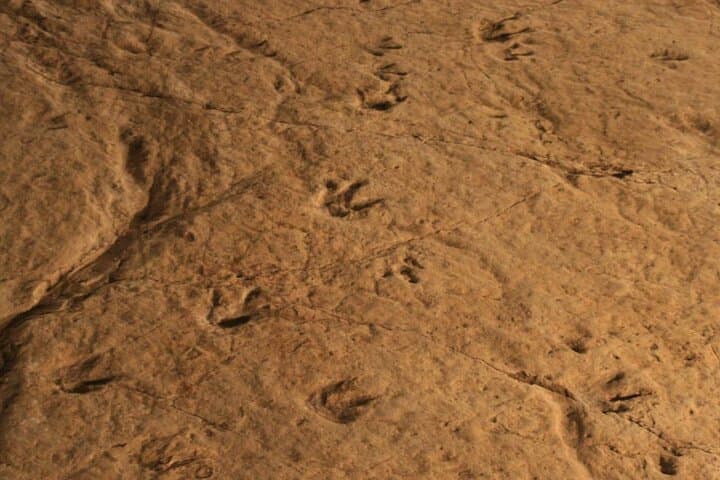
Light filters through beech and hornbeam as the minibus winds away from Kutaisi, and by mid-morning you’re standing on a limestone rim where fossilized dinosaur tracks stare back from stone older than many countries.
Light filters through beech and hornbeam as the minibus winds away from Kutaisi, and by mid-morning you’re standing on a limestone rim where fossilized dinosaur tracks stare back from stone older than many countries.
The route stitches together karst caves, river-cut canyons and a ring of concrete pavilions left over from Georgia’s spa‑era. Sataplia’s karst caves and dinosaur footprints sit on an ancient carbonate shelf; blue-green springs and tight gorge walls characterize Martvili and Okatse canyons, carved by post‑glacial rivers. Tskaltubo’s abandoned sanatoriums tell a quieter story: a 20th‑century health industry that collapsed with the Soviet Union.
Expect short walks—Sataplia’s 700m circular trail with viewing platforms and a limestone staircase, boardwalk sections through forest, and optional boat stretches in Martvili where emerald currents push you under cliffs. Terrain ranges from compacted paths and stairs to slippery stone near water; elevation changes are modest but repeated, so the day feels long (10–12 hours).
Culturally, this is western Georgia: simple kolkhoz-era architecture, local vendors selling churchkhela and bottled water, and guides who mix geology with regional lore.
Practical notes: start by 8:00 to avoid crowds, carry layered rain protection, and wear sturdy shoes with grip for wet boardwalks. Bring cash for small reserve fees, a refillable bottle, and a camera with protection from spray. The tour covers varied sites across Imereti and Samegrelo regions—plan transportation back to Kutaisi or onward connections in advance.