THE ADVENTURE COLLECTIVE® · Independent discovery and booking for outdoor travel

Glide through Sarasota’s mangrove passages on a two‑hour kayak or paddleboard tour that brings you face-to-face with bottlenose dolphins and West Indian manatees while a guide narrates Olde Florida history. Early mornings offer the best light and wildlife activity.
Glide through Sarasota’s mangrove passages on a two‑hour kayak or paddleboard tour that brings you face-to-face with bottlenose dolphins and West Indian manatees while a guide narrates Olde Florida history. Early mornings offer the best light and wildlife activity.
Paddle out at first light and the bay feels alive: dolphins arc through glassy water and manatees breathe slow and deliberate near submerged seagrass beds. Mangrove roots stripe the shoreline, and your guide steers a narrow channel where birds wheel and the current nudges the kayaks forward.
Verified experiences and guided adventures in the surrounding area.
Operated by Three Brothers Boards Dolphin and Manatee Paddle Board Tours · Sarasota, Florida
Paddle out at first light and the bay feels alive: dolphins arc through glassy water and manatees breathe slow and deliberate near submerged seagrass beds. Mangrove roots stripe the shoreline, and your guide steers a narrow channel where birds wheel and the current nudges the kayaks forward.
This stretch of Sarasota Bay is a product of shallow carbonate flats, barrier islands, and decades of coastal living. Indigenous peoples left shell middens here; later Spanish and pioneer fishing communities shaped what locals call “Olde Florida” — a working coast of nets, boats, and bayfront homesteads. Geologically the area is compact: shallow seagrass meadows give way to deeper channels, and mangrove corridors shelter juvenile fish and turtles.
Culturally the region balances tourism with local conservation: wildlife viewing is popular, but rules about distances, no feeding, and slow zones exist to protect manatees and dolphins. Tours often visit spots reliably busy with wildlife and include historical anecdotes about early settlers and the waterway’s maritime past — this operator has even been featured on national TV.
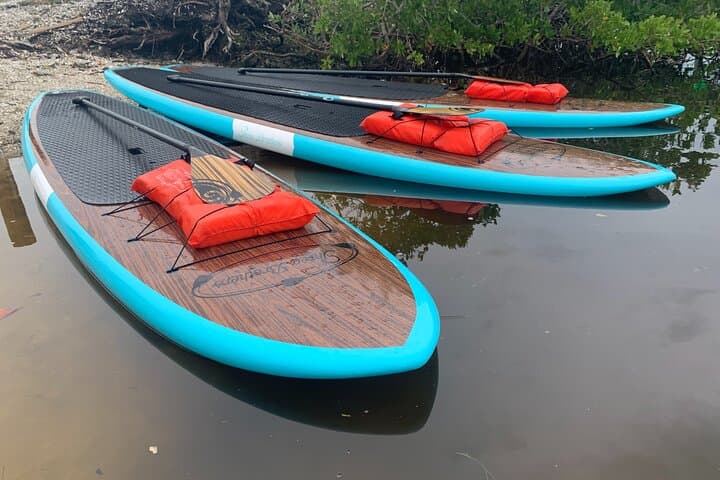
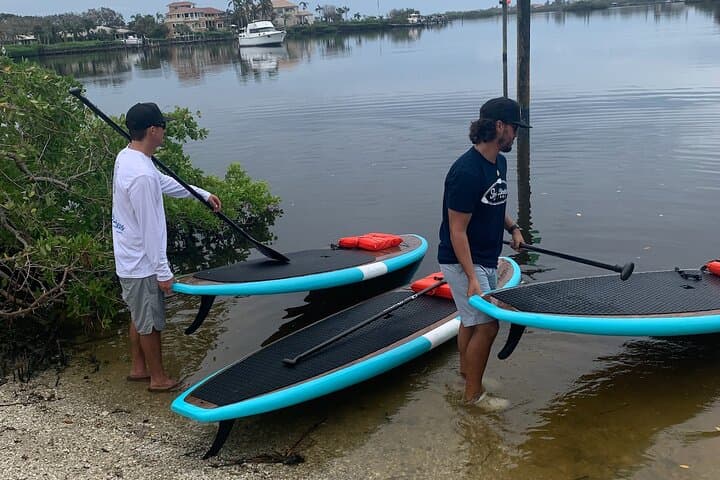
Practical guidance: the trip is two hours, suitable for beginners, with kayaks, paddleboards and life vests provided. Aim for early morning or late afternoon for best light and calmer water. Bring sun protection, a refillable water bottle, and waterproof your phone for photos. Stay at least several boat lengths from manatees and avoid sudden movements around dolphins. Expect a relaxed paddle over flat water with frequent wildlife stops and interpretive narration from your guide.
easy.
2 hours.
Suitable for all fitness levels; requires brief bursts of paddling and the ability to sit and balance in a kayak or on a paddleboard for two hours.
Yes—life vests are provided for all participants and are required to be worn during the tour.
Sightings are common but not guaranteed; guides take routes with high wildlife activity, and timing (early morning) improves your chances.
No—this tour is rated easy and suitable for beginners; guides give a safety briefing and basic paddling instruction before launch.
You can receive a full refund if you cancel at least 24 hours before the scheduled departure; trips may be canceled for bad weather or insufficient travelers.
The Sarasota waterways were long used by Native Americans and later by Spanish and pioneer fishing communities; many tours include anecdotes about the area’s maritime history and Olde Florida settlements.
Manatee and dolphin populations are protected by local regulations—observe slow zones, never feed wildlife, and follow guide instructions to minimize disturbance.
Three Brothers Boards Dolphin and Manatee Paddle Board Tours operates guided outdoor trips and adventures with an emphasis on safety, stewardship, and memorable experiences.
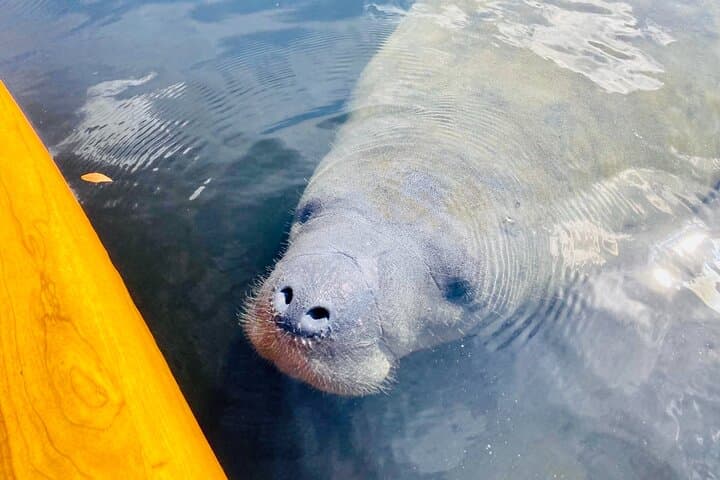
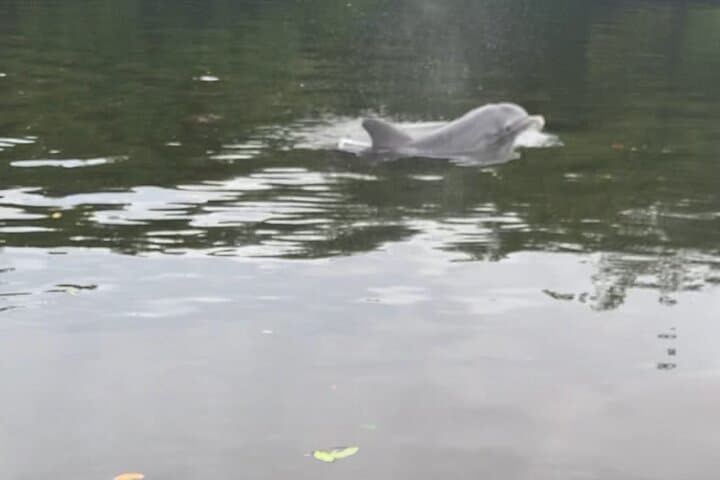
Paddle out at first light and the bay feels alive: dolphins arc through glassy water and manatees breathe slow and deliberate near submerged seagrass beds. Mangrove roots stripe the shoreline, and your guide steers a narrow channel where birds wheel and the current nudges the kayaks forward.
Paddle out at first light and the bay feels alive: dolphins arc through glassy water and manatees breathe slow and deliberate near submerged seagrass beds. Mangrove roots stripe the shoreline, and your guide steers a narrow channel where birds wheel and the current nudges the kayaks forward.
This stretch of Sarasota Bay is a product of shallow carbonate flats, barrier islands, and decades of coastal living. Indigenous peoples left shell middens here; later Spanish and pioneer fishing communities shaped what locals call “Olde Florida” — a working coast of nets, boats, and bayfront homesteads. Geologically the area is compact: shallow seagrass meadows give way to deeper channels, and mangrove corridors shelter juvenile fish and turtles.
Culturally the region balances tourism with local conservation: wildlife viewing is popular, but rules about distances, no feeding, and slow zones exist to protect manatees and dolphins. Tours often visit spots reliably busy with wildlife and include historical anecdotes about early settlers and the waterway’s maritime past — this operator has even been featured on national TV.
Practical guidance: the trip is two hours, suitable for beginners, with kayaks, paddleboards and life vests provided. Aim for early morning or late afternoon for best light and calmer water. Bring sun protection, a refillable water bottle, and waterproof your phone for photos. Stay at least several boat lengths from manatees and avoid sudden movements around dolphins. Expect a relaxed paddle over flat water with frequent wildlife stops and interpretive narration from your guide.